Creative Rice Paper Recipes for Easy Snacks & Wraps
Introduction
Rice paper recipes provide a versatile and efficient way to prepare light snacks or main courses using simple pantry staples. These translucent sheets rehydrate in seconds, making them ideal building blocks for creative culinary projects that require minimal active cooking time.
Aligning with a focus on quick preparation, these ideas highlight how to transform thin rice wrappers into satisfying meals in less than 30 minutes. This guide explores techniques for folding, filling, and crisping the sheets to create textures ranging from soft and chewy to golden and crunchy. You will find practical methods to build balanced, flavorful dishes that fit a busy schedule without sacrificing quality or comfort.
How to Prepare Rice Paper
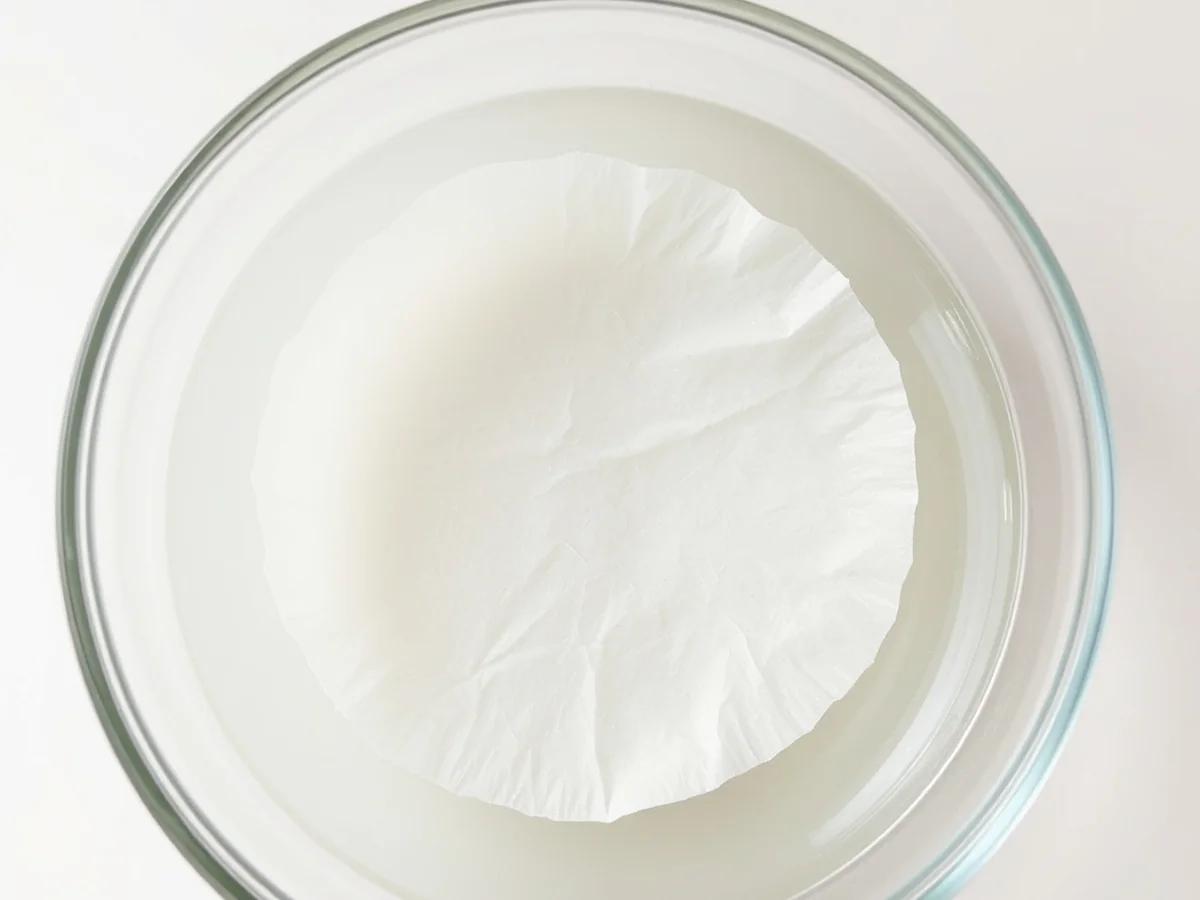
Preparing rice paper for various rice paper recipes requires a balance of timing and technique. Because these dried sheets are dehydrated during production, they possess a brittle, glass-like texture. Rehydration is the essential step that restores their pliability, turning them into soft, edible membranes capable of holding savory or sweet fillings without breaking.
Mastering the Dip Technique
The secret to successful preparation lies in the duration of the dip. Use a shallow, wide bowl filled with room temperature or lukewarm water. Submerge the sheet for only a few seconds. It is helpful to pull the sheet through the water in a circular motion rather than letting it sit. Even if the sheet feels slightly firm when you first remove it from the water, it will continue to soften as it sits on your workspace. Over-soaking is a common error: if the paper becomes too soft or slimy in the water, it loses its structural integrity and becomes difficult to roll.
Creating a Functional Workspace
Once hydrated, transfer the sheet to a clean, flat surface. A wooden cutting board, a silicone mat, or a lint-free kitchen towel works best. If the surface is too porous, the paper may stick permanently; if it is too slick, you may lose control while rolling. Many cooks find that a slightly damp cloth underneath the paper helps maintain the perfect level of hydration while you assemble your ingredients.
Refining Your Rolling Method
When working with rice paper, speed and preparation are important. Have all your fillings ready before you begin the hydration process. Place your ingredients slightly below the center of the sheet, fold the bottom edge up over the filling, tuck in the sides, and roll firmly toward the top edge. If you find the edges are not sealing, a light brush of water along the final seam acts as an effective natural adhesive. Working with one sheet at a time prevents them from clumping together, ensuring each roll remains neat. If you are preparing a large batch, keep the finished rolls covered with a damp cloth to prevent the outer layer from drying out or becoming tough before serving.
Essential Rice Paper Snack Ingredients
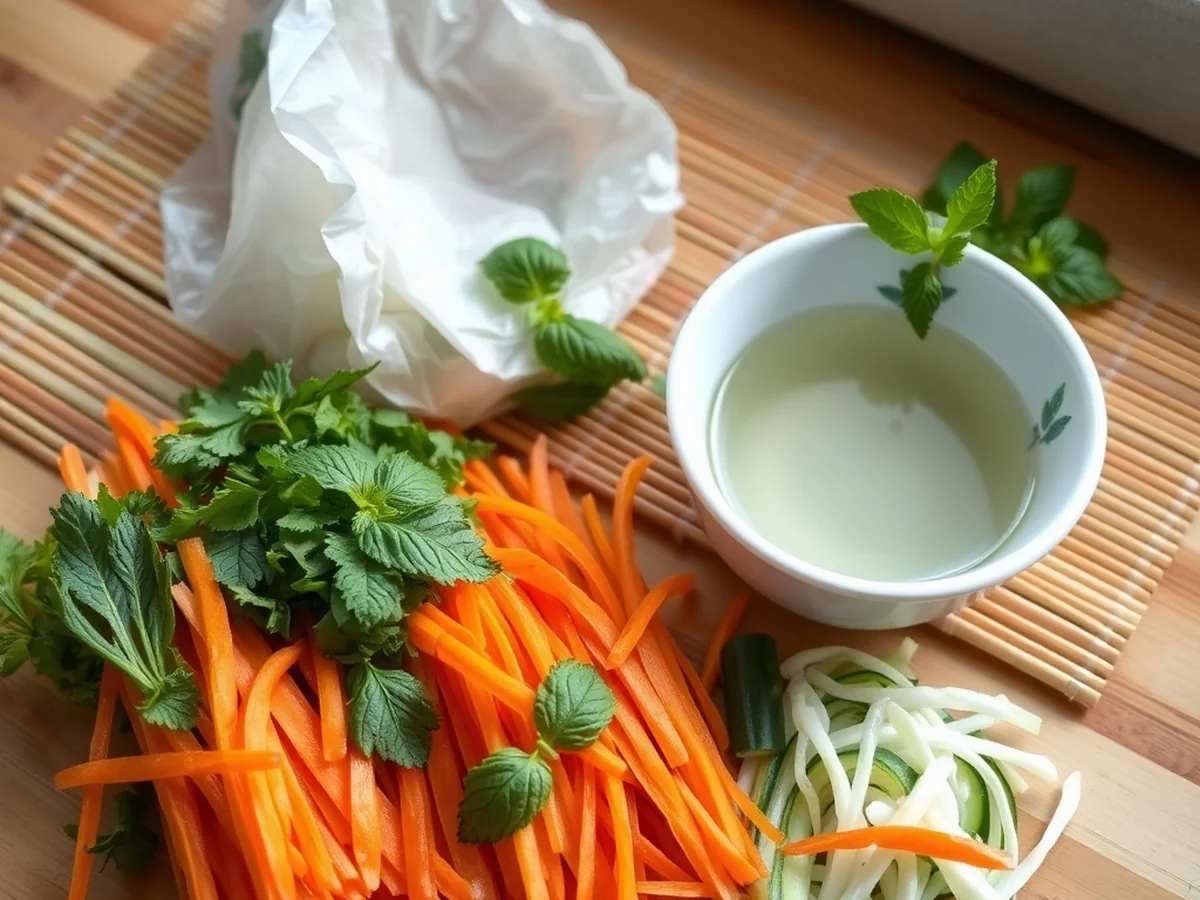
Creating rice paper recipes is an exercise in balancing texture and moisture. Because the wrappers are essentially dehydrated rice starch, they react quickly to water. Success begins with gathering the right components before you begin the rolling process. A well-prepared workspace prevents the paper from tearing or sticking, which is the most frequent challenge for beginners.
Tools for Proper Hydration
The foundation of any successful roll is the hydration station. Select a wide, shallow dish that allows you to submerge the rice paper sheet completely without folding it. Use warm, not boiling, water. Hot water causes the starch to break down too rapidly, making the sheet gummy and prone to breaking. A quick, two to three second dip is usually sufficient. As the sheet sits on your work surface, it continues to absorb moisture from the damp surface and the fillings, reaching its ideal pliable state within seconds.
Always keep a clean, lint-free kitchen towel or a silicone mat on your counter. Placing the hydrated sheet directly onto a dry wooden or stone cutting board often results in the paper bonding permanently to the surface. A damp cloth provides a non-stick barrier that allows you to maneuver the paper easily while you layer your ingredients.
Selecting Fillings for Structural Integrity
Since rice paper has a neutral flavor and a delicate structure, your choice of fillings dictates the overall quality of the snack. For the best results, focus on three categories: crunch, protein, and aromatics.
- Vegetables: Choose firm produce like carrots, cucumbers, or bell peppers. Slice these into thin, uniform matchsticks. Large or irregular chunks can poke holes through the thin wrapper.
- Proteins: Cooked shrimp, firm tofu, or shredded rotisserie chicken work well. Ensure all proteins are fully cooled to room temperature. Adding warm ingredients causes the rice paper to soften too quickly, leading to a loss of structural integrity.
- Aromatics: Fresh herbs like mint, cilantro, or Thai basil add a necessary brightness that balances the starchiness of the wrapper.
Common Assembly Mistakes
One common error is overstuffing the rolls. While it is tempting to pack as much as possible, rice paper has limited elasticity. Start with a modest amount of filling in the center of the sheet. Fold the sides in first, then roll tightly from the bottom. If the roll feels loose, the ingredients may shift, causing the wrapper to tear during consumption. If you are preparing these for later, keep finished rolls separated on a tray lined with parchment paper to prevent them from sticking to each other.
Classic Rice Paper Wraps , Simple Foundations
Creating these light rolls starts with briefly dipping a dry sheet into lukewarm water until it becomes pliable. Once softened, the sheet acts as a clean, neutral canvas for your favorite fresh ingredients and savory fillings.
Fresh Veggie & Herb Wrap
To prepare a classic garden-style roll, lay the hydrated sheet flat on a clean surface. Arrange thin matchsticks of cucumber, shredded carrots, and colorful bell peppers in the center. Top these vegetables with a generous handful of fresh cilantro, mint, or Thai basil leaves.
Fold the bottom edge of the sheet over the filling, tuck in the sides, and roll it forward tightly to seal. Serve these immediately with a dipping sauce made from rice vinegar, a splash of soy sauce, and a drizzle of honey or agave for a balanced, light flavor.
Quick Tuna or Chicken Salad Wrap
For a more substantial meal, use canned tuna or pre-cooked shredded chicken as your primary filling. Mix your protein with a small amount of Greek yogurt or mayonnaise and finely chopped scallions to create a creamy base.
Place a leaf of butter lettuce or spinach on the damp sheet first to act as a protective layer, then add a scoop of your prepared protein mixture on top. Add thinly sliced radish or celery for an extra crunch before rolling the edges inward.
- Ensure the sheet is only submerged for a few seconds to prevent it from becoming too sticky.
- Keep your fillings dry to maintain the structural integrity of the roll.
- Prepare these ahead of time by wrapping each finished roll individually in damp paper towels to prevent them from drying out or sticking to each other.
Pair these protein-heavy rolls with a tangy dipping sauce, such as a mix of chili garlic sauce and lime juice. This combination of textures makes these rice paper wrap recipes a satisfying option for a quick lunch or a refreshing snack.
Creative Snack Ideas Beyond Traditional Wraps

Rice Paper Spring Roll Chips
You can turn standard sheets into crunchy rice paper chips by either frying them in hot oil or baking them until firm. Frying provides an immediate, bubbly crispness, while baking serves as a lighter alternative that maintains a satisfying snap.
To prepare these, cut the dry sheets into triangles or smaller squares. If frying, drop them into a pan with enough oil to cover the surface for a few seconds until they puff up. Remove them quickly to avoid burning. For the oven method, brush the pieces lightly with oil and bake at a moderate temperature until they turn golden and brittle.
Seasoning these snacks is straightforward since the neutral base absorbs flavors well. Popular options include:
- Sprinkling sea salt and cracked black pepper
- Dusting with smoked paprika or chili powder
- Tossing with garlic powder and dried herbs
- Adding nutritional yeast for a savory, cheese-like flavor
Mini Rice Paper Pizza Bites
Create quick pizza bites by layering sauce, cheese, and your favorite toppings onto a sheet before crisping it in a skillet or oven. This approach results in a thin, cracker-like crust that holds ingredients securely without needing a long bake time.
Start by placing a dry sheet on a baking tray or in a warm pan. Spread a thin layer of tomato sauce over the surface, ensuring you do not use too much moisture, which can make the base soggy. Add a sprinkle of shredded mozzarella and small pieces of vegetables, cured meats, or fresh basil.
Cook the assembly until the edges curl and the cheese bubbles. A hot skillet usually crisps the bottom effectively in just a couple of minutes. Once the edges are golden and the toppings are heated through, remove the bites immediately. These work well as bite-sized appetizers because the thin structure remains light and easy to handle.
One-Pan Rice Paper Meals for Busy Nights
Rice paper is often relegated to fresh spring rolls, yet its subtle flavor and chewy texture make it a surprisingly versatile pantry staple for quick skillet and sheet-pan dinners. By treating rice paper as a gluten-free alternative to noodles or pastry sheets, you can build filling meals in minimal time.
These methods rely on the paper’s ability to soften quickly in liquid and crisp up when exposed to direct heat. Using rice paper recipes allows you to create a sturdy foundation for various proteins and vegetables without extensive preparation.
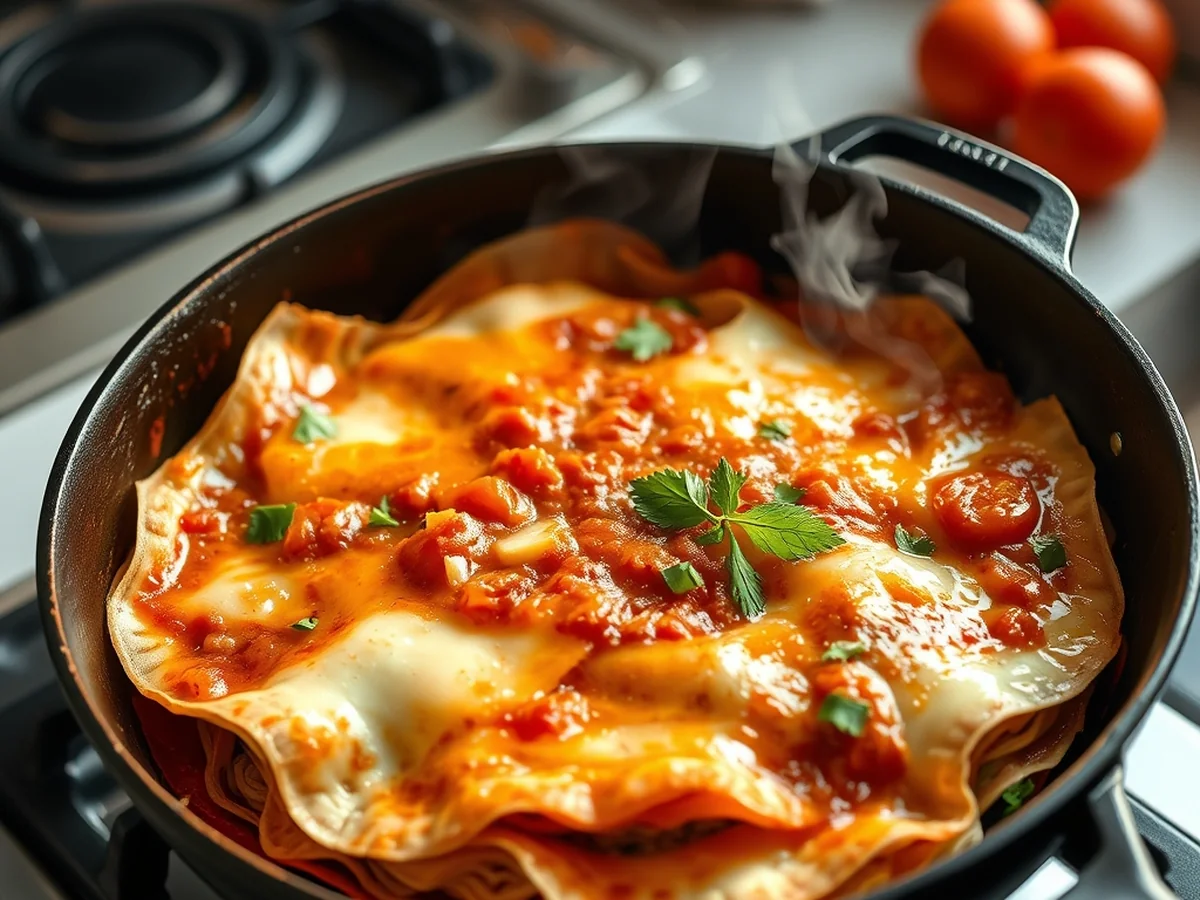
Mastering Rice Paper Lasagna
Layering rice paper allows you to recreate the comfort of a baked pasta dish without the need for boiling water. To ensure the best result, use lukewarm water to dip your sheets, keeping them slightly firmer than you would for a cold roll, as they will continue to soften in the oven. Line your tray with parchment paper to prevent sticking, then build your layers by alternating the rice paper with your chosen fillings.
Use a generous amount of sauce between each layer, as the paper will absorb moisture during the baking process. Finishing with a layer of cheese or sauce on top is essential to keep the surface from becoming brittle or overly dry in the heat of the oven.
Crispy Skillet Ribbons
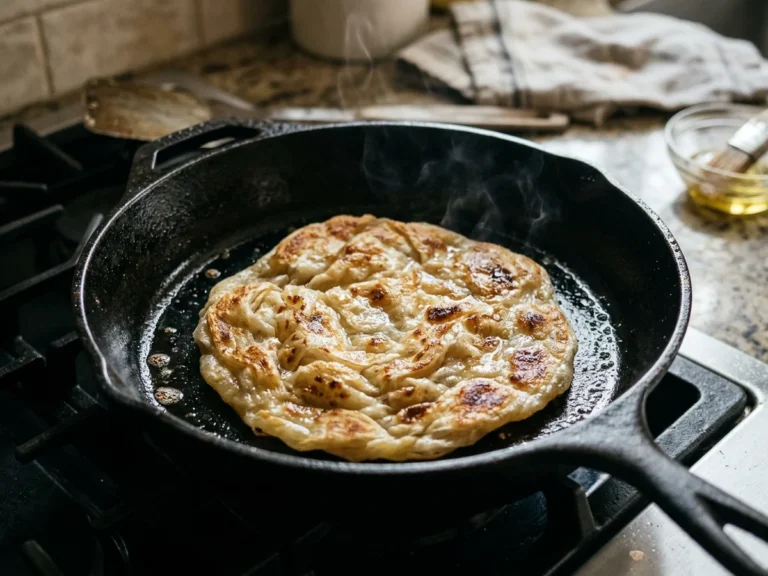
For a faster approach, transform rice paper into noodle-like ribbons using clean kitchen shears. This technique is ideal for stir-fry recipes because the surface area of the ribbons picks up pan sauces more effectively than whole sheets. Dip the strips into warm water for only five to ten seconds. If they become too soft before they reach the pan, they may lose their structure and turn gummy.
Once they hit a hot, oiled skillet, the high heat works to seal the edges, creating a pleasant contrast between the chewy center and the lightly crisped exterior.
Tips for Success
The key to successful one-pan rice paper recipes is controlling moisture. Always pat your ingredients dry if they are particularly wet, such as fresh vegetables or thawed proteins, to avoid a soggy finished product. Because rice paper cooks almost instantly, it is best added toward the end of your cooking process.
This prevents over-softening and ensures your meal maintains a satisfying, firm texture. These recipes are particularly well-suited for busy weeknights when you need a hearty, warm dinner on the table in under thirty minutes.
Healthy & Low-Carb Rice Paper Options
Rice paper sheets serve as a versatile vessel for light meals, offering a naturally gluten-free alternative to traditional wheat-based flour tortillas or bread wraps. Using these thin, translucent wrappers allows you to focus on nutrient-dense fillings without the heaviness associated with dense dough products.
You can create a satisfying low carb rice paper meal by prioritizing fresh greens and lean proteins. Incorporating crisp lettuce leaves adds volume and crunch, while sliced avocado provides creamy texture and healthy fats. Pairing these ingredients with grilled chicken, tofu, or shrimp transforms the wrapper into a portable, balanced snack or lunch option.
These thin sheets are particularly useful for those who prefer calorie-friendly meals because they act as a neutral base that highlights the flavors of your chosen fillings. Since the wrapper itself is delicate and light, the overall energy density of your wrap depends entirely on what you decide to tuck inside. Stick to fresh herbs like cilantro or mint, thinly sliced cucumbers, and shredded carrots to keep your creation light and hydrating.
When assembling your wraps, keep these preparation tips in mind for the best results:
- Dip the sheet briefly in warm water until it becomes pliable, but avoid soaking it too long to prevent tearing.
- Layer your sturdier ingredients, such as protein and avocado, toward the center to create a stable foundation.
- Fold the sides inward tightly before rolling to ensure your low carb rice paper wrap stays secure during transport.
- Use a damp cloth or parchment paper between finished rolls if you are stacking them to prevent sticking.
Choosing this style of preparation is an excellent way to maintain a lighter diet while enjoying the convenience of handheld food. By focusing on colorful vegetables and lean protein sources, you can build a wide variety of meals that remain both filling and mindful of your nutritional goals.
Flavor Boosters: Sauces, Dips, and Seasonings
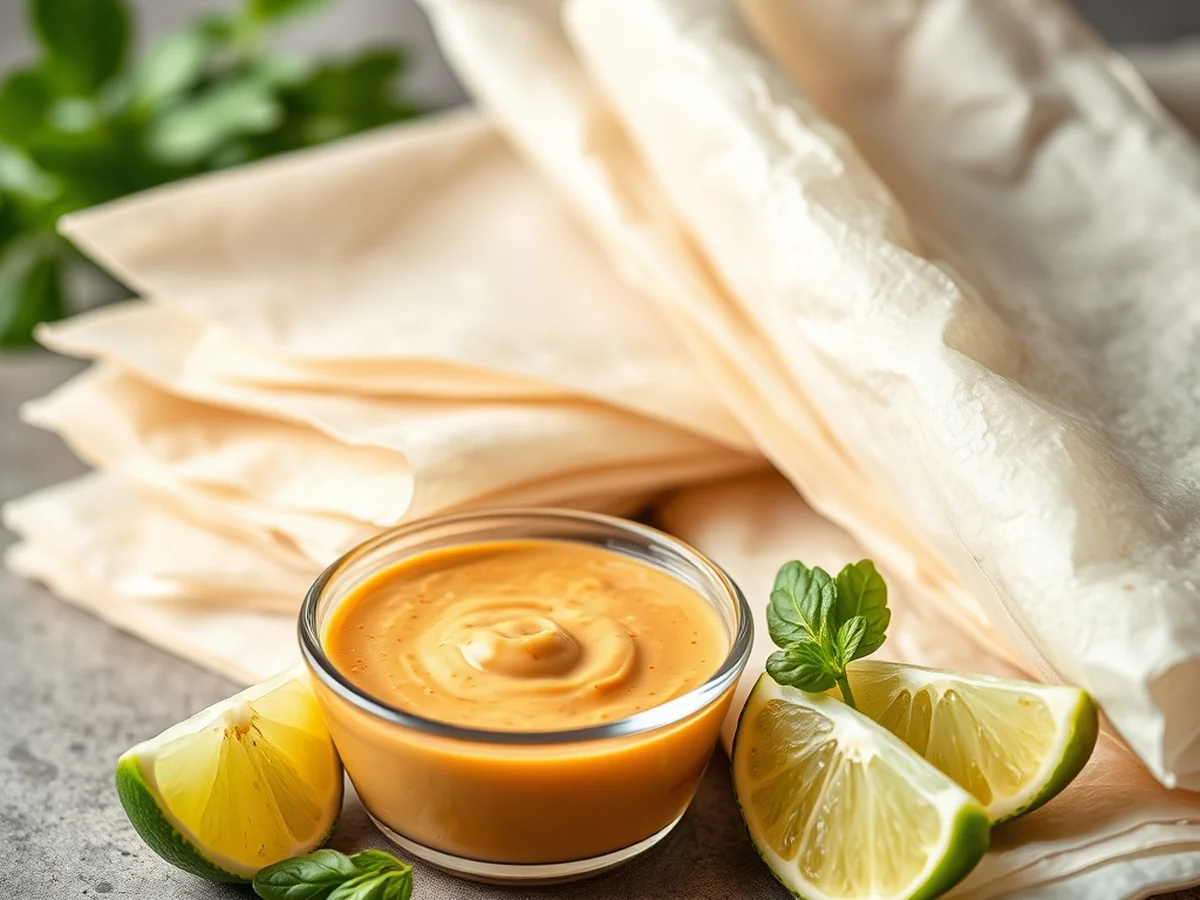
The secret to elevate simple rice paper recipes lies in balancing textures and bold aromatics within your dipping sauce. These three foundational mixtures provide the necessary acidity, heat, and salt to transform neutral wrappers into a complete snack.
For a peanut ginger dip, whisk together creamy peanut butter, a splash of soy sauce, grated fresh ginger, and enough warm water to reach your desired consistency. If you prefer a hoisin lime sauce, combine hoisin paste with a squeeze of fresh lime juice and a dash of chili garlic sauce for a zesty, savory finish. To make a quick spicy mayo, stir sriracha or another chili paste into high quality mayonnaise until it reaches an even, creamy orange hue.
Customizing the filling is just as important as the sauce for building layers of flavor. Consider these techniques to experiment with your ingredients:
- Add fresh herbs like Thai basil, cilantro, or mint directly inside the roll to create a bright, fragrant profile.
- Rub ground spices such as turmeric, smoked paprika, or garlic powder onto your protein before cooking it to add depth.
- Use citrus zest like lime or lemon peel to provide a sharp contrast against fatty ingredients like avocado or pork.
- Incorporate crunchy elements such as toasted sesame seeds or crushed peanuts to improve the mouthfeel of every bite.
- Drizzle a small amount of toasted sesame oil over your vegetables to introduce a nutty, roasted aroma.
- Include pickled vegetables like shredded carrots or radish to offer a tangy, refreshing crunch that cuts through richer flavors.
Always prepare your rice paper sauce in small batches to ensure the flavors remain vibrant. Tasting as you whisk allows you to adjust the ratios of salt, acid, and heat according to your personal preference. Keep these components ready in the refrigerator so you can assemble a flavorful wrap whenever you need a quick, satisfying meal.
Easy Rice Paper Recipe Tips

Working with rice paper requires a gentle touch and an understanding of how starch reacts to moisture. Beginners often struggle with sheets that tear, stick to surfaces, or become gummy. By adjusting your technique, you can create consistent, professional rolls for any of your favorite rice paper recipes.
Mastering the Hydration Process
The most common mistake when preparing rice paper is using hot water. While it may seem like hot water would soften the sheets faster, it often makes them too fragile to handle. Instead, use room temperature water. This allows for a slower, more controlled absorption of moisture.
Dip the sheet for only a few seconds. It should feel pliable but still hold its structure. Remember that the starch will continue to absorb moisture even after you place the sheet on your work surface, so pulling it out slightly firm is better than pulling it out completely soft.
Managing Your Workspace
Sticking is a frequent frustration when working with rehydrated wrappers. To keep the sheet from bonding to your counter, create a non-stick environment. A damp cutting board or a clean kitchen towel provides the perfect surface.
If you find the paper still grabs the surface, you can lightly brush your workspace with a small amount of neutral oil. This creates a thin barrier that allows you to maneuver and roll the ingredients without the delicate material tearing. Avoid using too much oil, as it can affect the final texture or flavor of the wrapper.
Assembling for Success
Structural integrity depends heavily on how you manage your ingredients. Overstuffing is the primary cause of tears and uneven rolls. When you place too much filling in the center, the thin material stretches beyond its limit, making it prone to breaking during the folding process.
Aim for a moderate amount of filling that allows you to fold the sides in without creating excessive tension. Placing your ingredients in a neat pile in the center of the sheet leaves enough room to fold the edges securely. If you are new to this process, start with smaller portions of filling until you gain confidence in your wrapping technique.
Practicing with simple combinations helps you understand exactly how much pressure the paper can handle before it compromises the roll. By keeping your fillings balanced and your workspace prepared, you ensure that every roll remains intact and aesthetically pleasing.
FAQ
How do you soften rice paper wrappers?
To soften rice paper wrappers, dip each sheet into a shallow dish of warm water for just a few seconds until it becomes pliable. Avoid soaking them for too long, as they can become overly fragile and difficult to roll.
Can you eat rice paper raw?
Yes, rice paper wrappers are safe to eat raw once they have been hydrated in water. They are commonly used in fresh spring rolls filled with crisp vegetables, herbs, and cooked proteins like shrimp or tofu.
Do rice paper recipes need to be cooked?
Many rice paper recipes do not require cooking, especially when used for cold spring rolls. However, you can pan fry or deep fry rolls wrapped in rice paper to achieve a crispy, golden texture that contrasts with the soft interior.
How do you keep rice paper from sticking together?
To prevent rice paper from sticking to your work surface, place each sheet on a damp cutting board or a clean, lint-free kitchen towel after hydrating. If you are storing finished rolls, leave a small amount of space between them and cover them with a damp paper towel to maintain moisture without causing them to bond.
Are rice paper wrappers gluten free?
Rice paper wrappers are typically made from a mixture of rice flour and tapioca starch, which are naturally gluten free. Always check the specific packaging of the product you purchase to ensure there are no added ingredients or cross-contamination concerns during processing.
Conclusion , Quick Inspiration for Everyday Meals
Mastering the versatility of translucent wrappers opens up endless possibilities for simple, light, and satisfying meals that come together in minutes. You can easily adapt these rice paper recipes to suit your pantry staples or dietary preferences by swapping fillings and dipping sauces. Start by experimenting with different raw vegetables, proteins, or even fresh herbs to find your favorite flavor combinations. Grab a pack of wrappers today and begin creating your own customized rolls for a fast and stress-free snack.
You might also like: Easy Shaved Beef Recipes for Quick Weeknight Meals