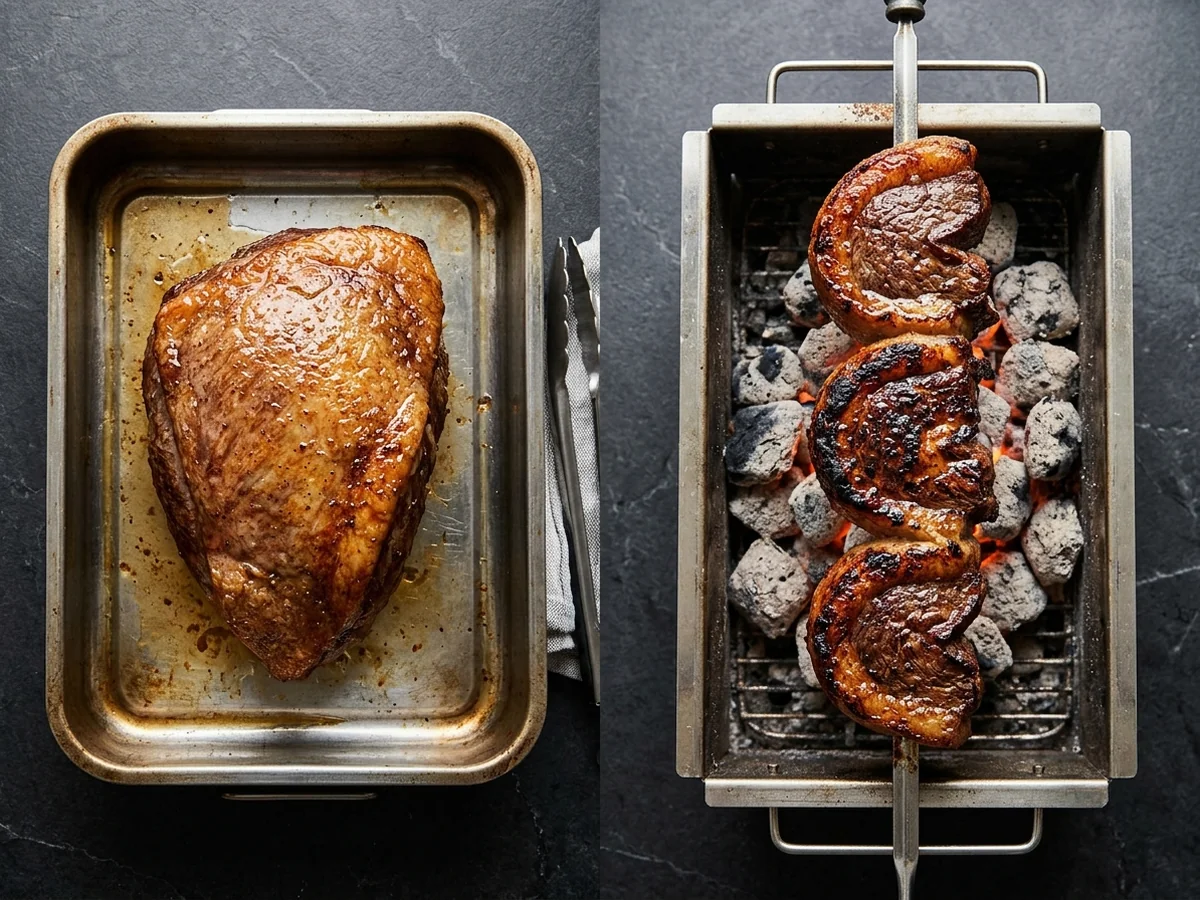
Oven Roasted vs Skewer Grilled Brazilian Picanha
Introduction
Choosing between oven roasted vs skewer grilled picanha depends on whether you prefer uniform, gentle cooking or the intense, smoky char of traditional churrasco. Both methods yield excellent results for this prized beef sirloin cap, but they offer distinct textures and flavor profiles that suit different kitchen setups.
This guide explores the culinary differences between these two approaches to help you decide the best way to cook picanha at home. We will examine how each method impacts fat rendering, moisture retention, and the development of the Maillard reaction. You will also learn about the essential equipment, effective slicing techniques for tenderness, and the importance of using a meat thermometer to track your progress. Whether you are aiming for a classic barbecue experience or a convenient indoor meal, understanding these technical variations ensures your beef reaches the perfect internal doneness every time.
Oven Roasted vs Skewer Grilled
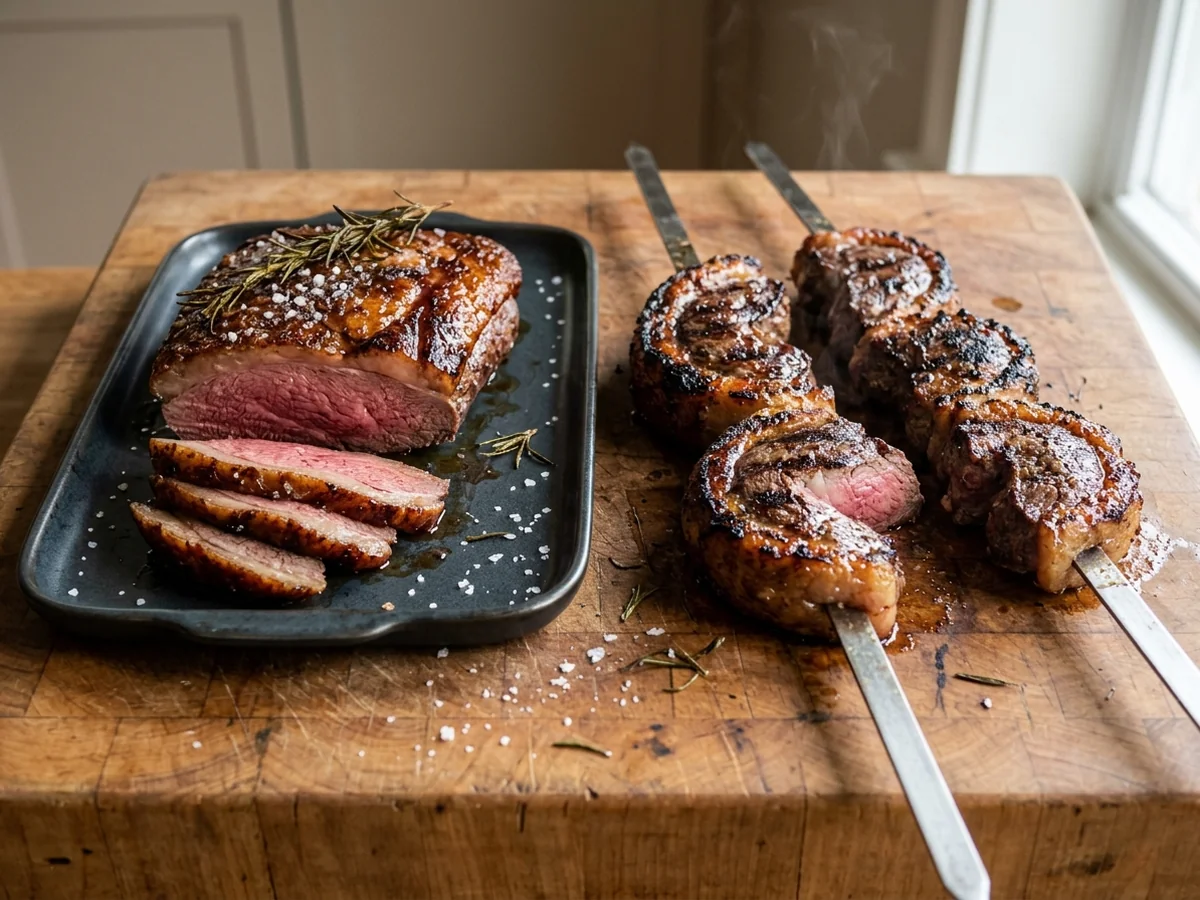
Choosing between an oven or a skewer for picanha depends on whether you prefer the convenience of controlled heat or the smoky char characteristic of traditional Brazilian churrasco techniques. Both methods successfully highlight the qualities of the beef sirloin cap, but they offer distinct textures and flavor profiles.
The picanha is a prized cut of beef sirloin cap known for its distinctive fat layer. It holds a central place in the culture of churrasco, a Brazilian tradition centered on communal grilling over open flames. This practice transforms simple meat preparation into a social event, emphasizing the quality of the cut and the skill of the cook. Whether you prepare it in the oven or on skewers, you are honoring a legacy that prioritizes the natural flavor of the beef.
Heat Dynamics for Picanha
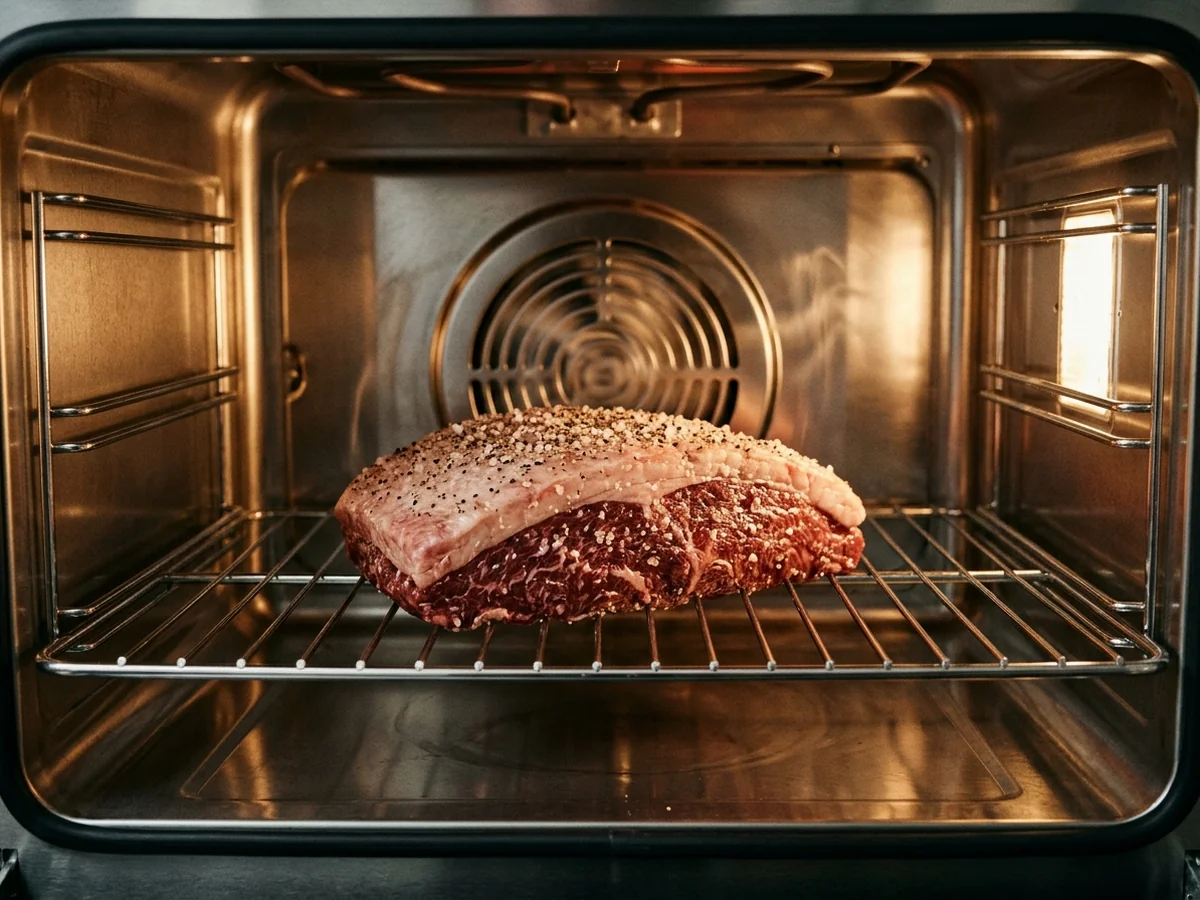
The choice between oven roasting and skewer grilling dictates how heat interacts with the beef sirloin cap. Convection ovens distribute consistent, indirect heat throughout the cooking chamber, which helps achieve uniform doneness across the entire roast. This environment relies on circulating air to cook the meat gently.
In contrast, skewer grilling utilizes intense, direct heat. This high-temperature exposure promotes the Maillard reaction on the surface of the meat, creating a distinct crust. While the oven provides a controlled, steady rise in temperature, the grill delivers rapid energy that changes the texture of the exterior quickly.
These methods also differ in how they handle fat. Grilling over an open flame renders fat rapidly as it drips away, while roasting is a slower process. This impacts moisture retention, as different heating speeds influence how internal juices settle within the muscle fibers.
Flavor and Texture Profiles

Skewer grilling over an open flame produces a distinct smoky aroma and intense Maillard reaction, whereas oven preparation highlights the natural, clean flavor of the beef. The open flame allows fat to drip directly onto the heat source, creating flavorful flare-ups that infuse the meat with a signature char.
The texture of the fat cap varies significantly between these two methods. Grilling renders the fat cap quickly, resulting in a crispy, golden exterior. In contrast, slow-roasting in an oven softens the fat, creating a buttery and tender consistency rather than a crunchy one.
Applying coarse sea salt before cooking is essential for both techniques. This seasoning draws out surface moisture, which helps form a robust, flavorful crust during the cooking process regardless of whether you choose a grill or an oven.
Comparison of Cooking Methods
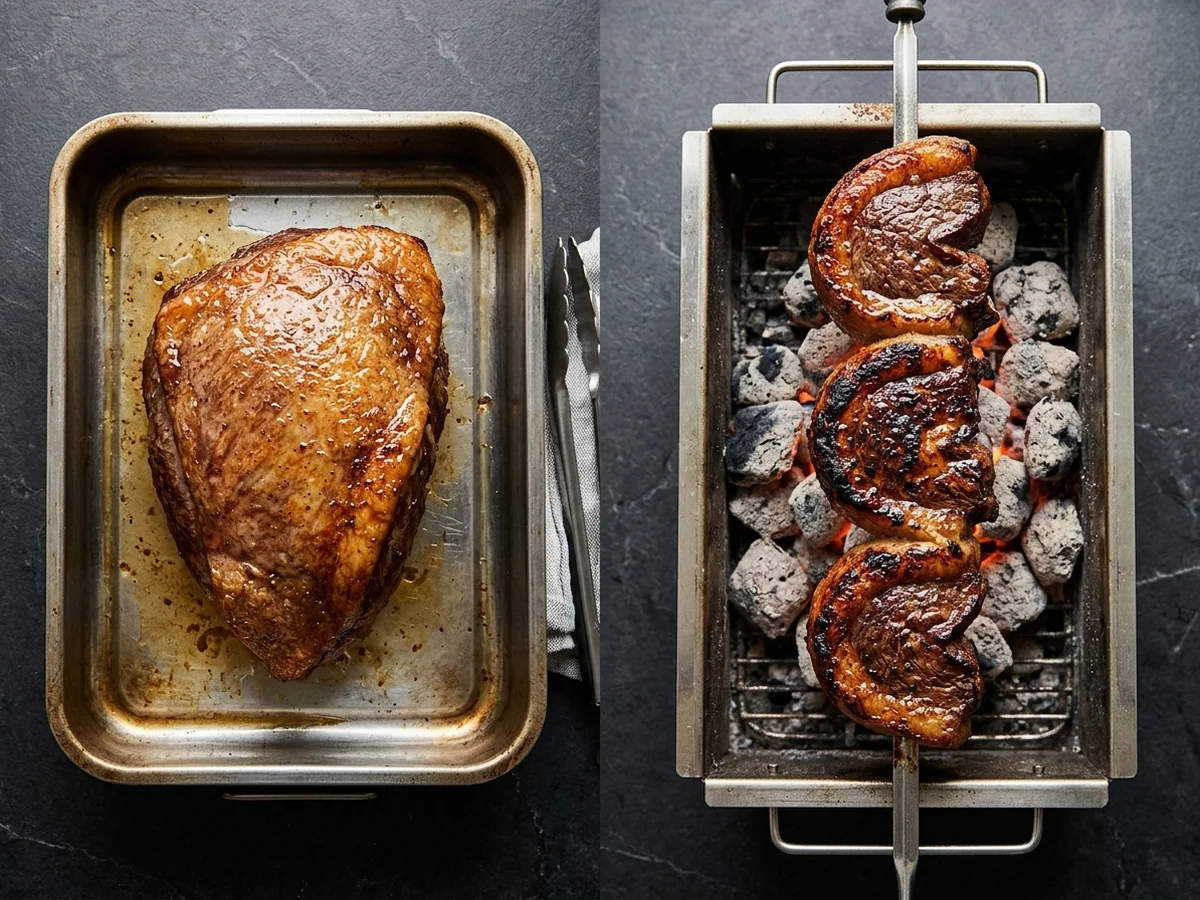
Choosing between an oven or a grill depends on your preference for crust development versus uniform heat distribution when learning how to cook picanha at home. Grilling provides intense, direct heat for superior fat rendering, while the oven offers a hands-off, consistent environment.
| Feature | Oven Roasting | Skewer Grilling |
|---|---|---|
| Prep Time | Low | Moderate |
| Equipment Needed | Roasting pan | Skewers and grill |
| Fat Rendering | Moderate | High |
| Flavor Intensity | Mild | Bold and smoky |
Use the oven method when you need convenience or want to ensure even cooking throughout the beef sirloin cap. Select the skewer technique if you prioritize that signature charred exterior and the distinct flavor profile associated with traditional Brazilian churrasco techniques.
Prep for Roasting vs Skewering
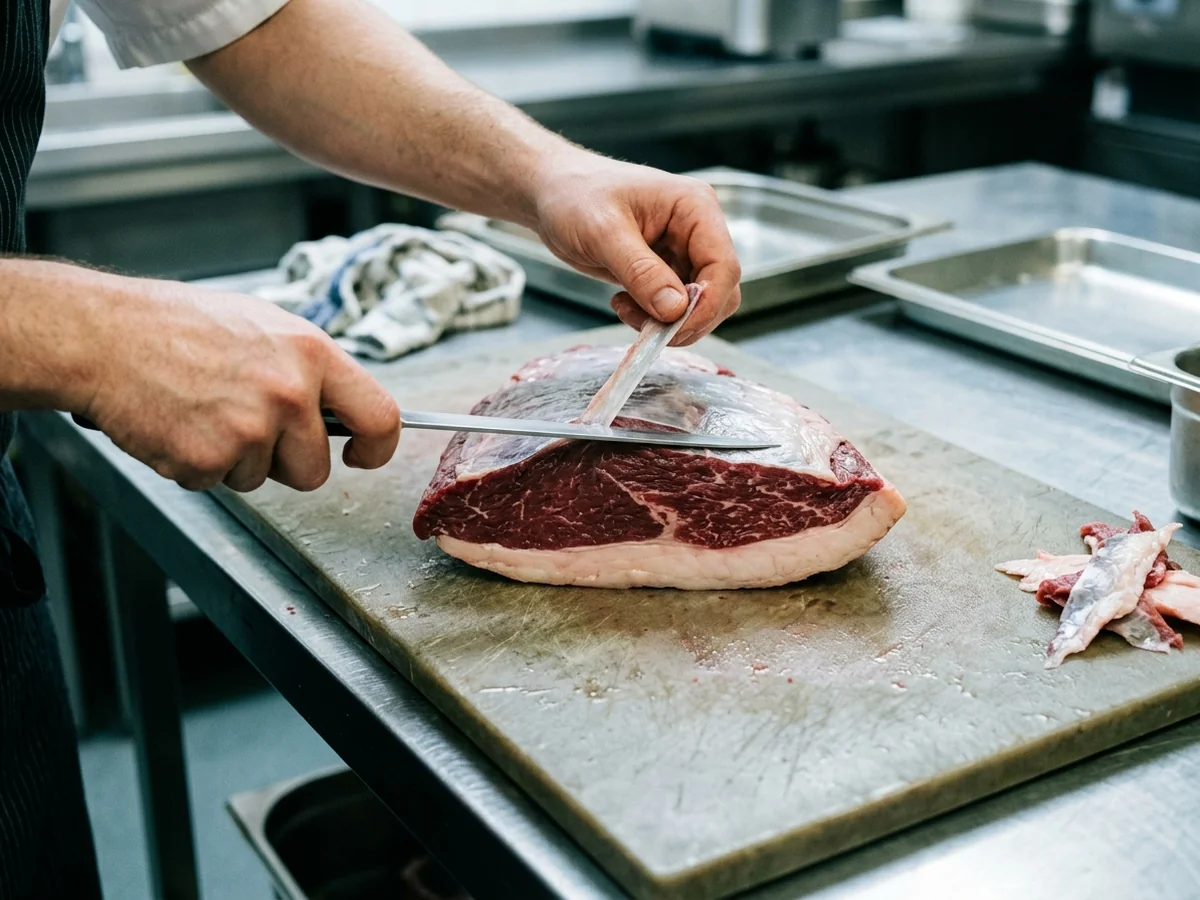
Preparing this cut requires consistent seasoning and proper orientation to ensure a quality result whether you use a grill or an oven. Following these preparation steps helps manage moisture and texture.
- Trim any excessive silver skin or tough connective tissue while keeping the fat cap intact to assist with flavor.
- Apply a generous coating of coarse sea salt to all sides of the beef sirloin cap before heat is applied.
- Identify the grain of the meat to ensure you are ready for the best way to slice picanha for tenderness after cooking.
- Use a reliable meat thermometer to monitor doneness during the process.
- Follow the USDA Food Safety and Inspection Service guidelines by ensuring your beef reaches a minimum internal temperature of 145 degrees Fahrenheit for food safety.
Common Picanha Cooking Mistakes
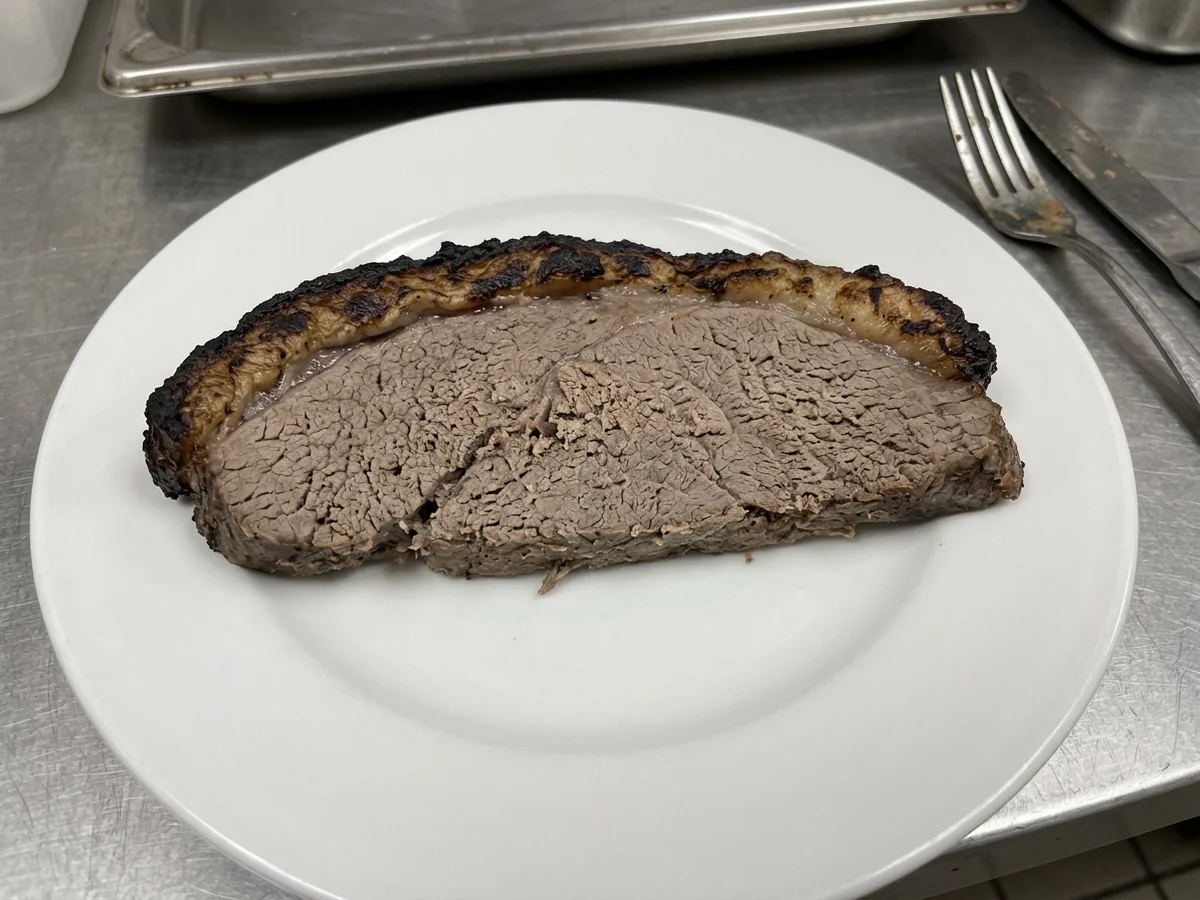
Achieving a perfect result requires careful management of heat and timing, as several common errors can compromise the texture and flavor of the beef sirloin cap. Cooks often struggle to balance the render of the thick fat layer with the doneness of the lean meat.
- Overcooking the lean portion often occurs when attempting to force the fat cap to render, leading to a dry interior.
- Skipping or shortening the resting phase prevents muscle fibers from retaining moisture, resulting in significant juice loss upon slicing.
- Domestic ovens frequently suffer from uneven heat distribution, which causes inconsistent cooking across the surface of the meat.
When preparing this cut, remember that temperature control is vital. Using a reliable meat thermometer helps monitor internal progress, ensuring you avoid the common pitfalls that lead to uneven results.
Oven vs Skewer Equipment Needs
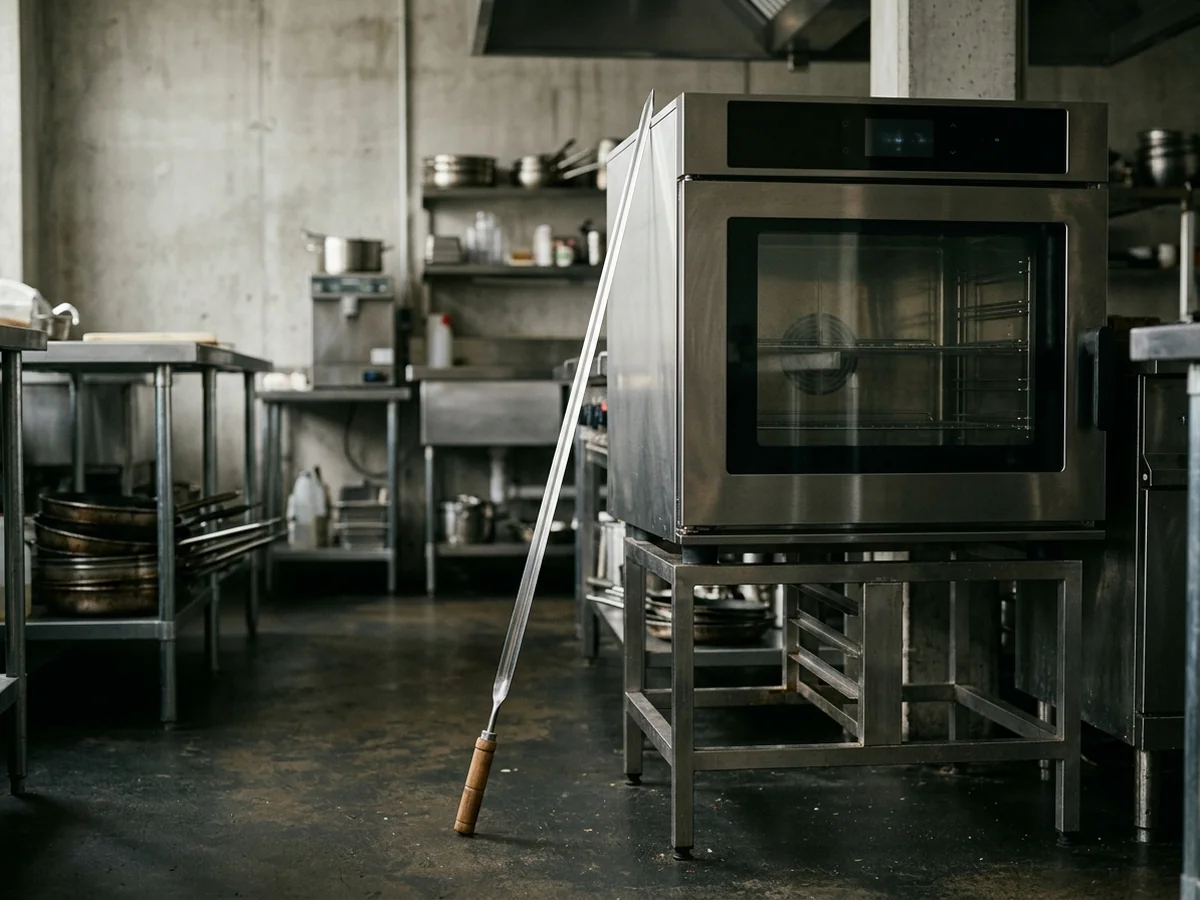
Preparing this beef sirloin cap requires different tools depending on whether you choose traditional Brazilian churrasco techniques or a standard kitchen setup. While skewer grilling demands direct heat exposure, oven roasting relies on consistent airflow to mimic the results of an open flame.
- Use long, heavy-duty stainless steel skewers that can support the weight of the meat without bending over the heat.
- Ensure your charcoal or gas grill is capable of maintaining high, steady temperatures to properly sear the exterior.
- Place your meat on a wire rack set inside a rimmed baking sheet to allow hot air to circulate underneath the beef.
- Keep the oven door closed during the cooking process to maintain a stable, humid environment that prevents the edges from drying out prematurely.
- Monitor your progress with a reliable digital meat thermometer to track doneness accurately.
FAQ
What is the best way to cook picanha at home?
The best method depends on your equipment and desired flavor profile, as skewer grilling mimics the style of cooking meat over open flames common in Brazil, while oven roasting offers consistent results for indoor cooking. Both approaches effectively highlight the natural qualities of the beef sirloin cap when handled with care.
Should I cut the fat off picanha?
You should generally leave the fat cap intact because it helps protect the meat during the cooking process. Rendering this fat properly is a key part of achieving the characteristic flavor associated with this cut.
How does the cooking method affect the texture of the fat cap?
Skewer grilling typically produces a crispier, more charred fat cap due to direct exposure to intense heat, whereas oven roasting creates a softer, rendered texture. Choosing between these methods allows you to customize the final mouthfeel of the dish to your preference.
What temperatures should I use for medium-rare picanha?
Using a reliable meat thermometer is the most accurate way to monitor progress. Always refer to current guidelines from the USDA Food Safety and Inspection Service for safe handling and proper internal temperature targets.
Why is slicing direction important for picanha?
Slicing against the grain is essential because it shortens the muscle fibers, which helps improve the tenderness of each bite. Following the grain pattern of the beef sirloin cap ensures that your final presentation is as enjoyable to eat as it is to look at.
Conclusion
Choosing between these methods depends primarily on your available equipment and the specific texture you prefer for the fat cap. If you prioritize a smoky, charred exterior and the interactive experience of traditional churrasco, opt for skewering over an open flame. When you require consistent, edge-to-edge doneness with less active monitoring, the oven is the superior choice. Evaluating your priorities regarding oven roasted vs skewer grilled picanha will help you determine the most effective approach for your next meal. Simply select the technique that best matches your kitchen setup and desired dining experience to get started.
You might also like: Crispy Brazilian Pastel with Savory Beef Filling