Crispy Brazilian Pastel with Savory Beef Filling
Introduction
A classic brazilian pastel with beef filling is defined by its signature thin, crispy exterior and a savory, seasoned meat center. You can achieve this traditional street food quality at home by mastering the balance between dough elasticity and proper frying technique.
This guide provides a comprehensive walkthrough for creating a homemade brazilian pastel with beef filling from scratch. We cover the preparation of an unleavened dough, the seasoning of the ground beef, and the specific methods used to ensure the pastry remains light and golden. You will also find expert advice on sealing the edges effectively and maintaining the temperature of your oil to prevent the dough from absorbing excess fat. Whether you are aiming for a quick snack or a larger batch for guests, these instructions offer the technical foundation needed to replicate the textures found in Brazil’s vibrant open-air markets.
What is Brazilian Pastel?

A Brazilian pastel is a popular deep-fried pastry characterized by its thin, blistered, and exceptionally crispy dough surrounding a savory center. It serves as a quintessential staple of street food culture across the country, enjoyed as a quick snack during busy days or leisurely weekend outings.
The sensory appeal of this dish relies on the contrast between the delicate, crunchy exterior and the flavorful meat inside. When fried correctly, the dough creates a light, bubbly shell that provides a satisfying snap with every bite. The savory nature of the beef filling complements the neutral flavor of the pastry, making it a beloved comfort food for locals and visitors alike.
Street markets, known as feiras livres, provide the traditional backdrop for enjoying these fried treats. These open-air markets are deeply woven into the fabric of daily life in Brazil, offering a vibrant atmosphere where vendors prepare fresh food on demand. For many, the experience of visiting a market is incomplete without stopping at a stall for a hot pastry and a glass of sugarcane juice.
Several elements contribute to the popularity of these snacks in the street market environment:
- The speed of preparation allows vendors to serve large crowds efficiently.
- The portable nature of the pastry makes it an ideal food to eat while walking through market aisles.
- Watching the dough being rolled and the pastries sealed creates an engaging visual experience for customers.
- The affordability and consistency of the flavor have cemented its status as a reliable market classic.
While variations exist, the version featuring a seasoned ground beef filling remains one of the most iconic choices found at these stalls. Whether served plain or accompanied by a side of spicy sauce, this snack captures the essence of Brazilian street food through its simplicity, texture, and reliance on fresh, hot preparation.
Dough for Beef Pastel
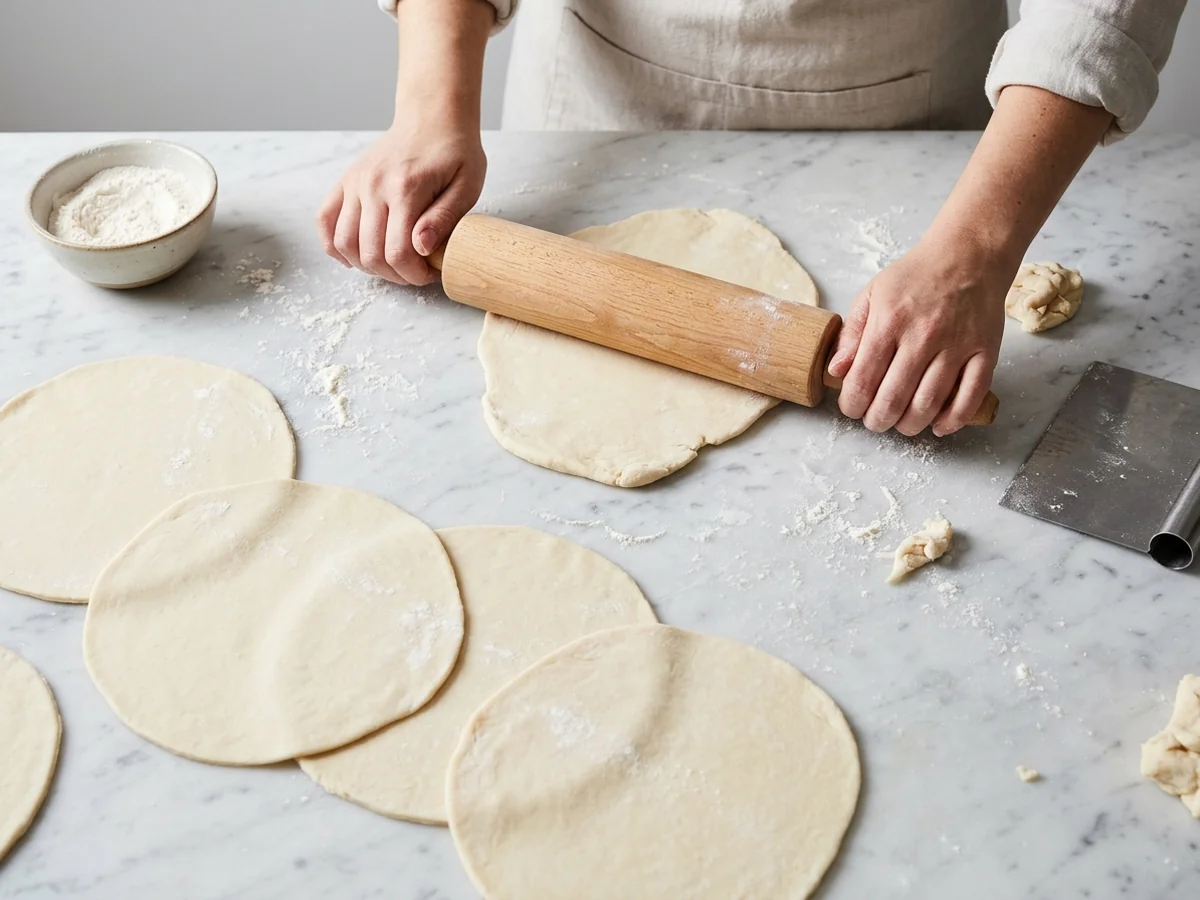
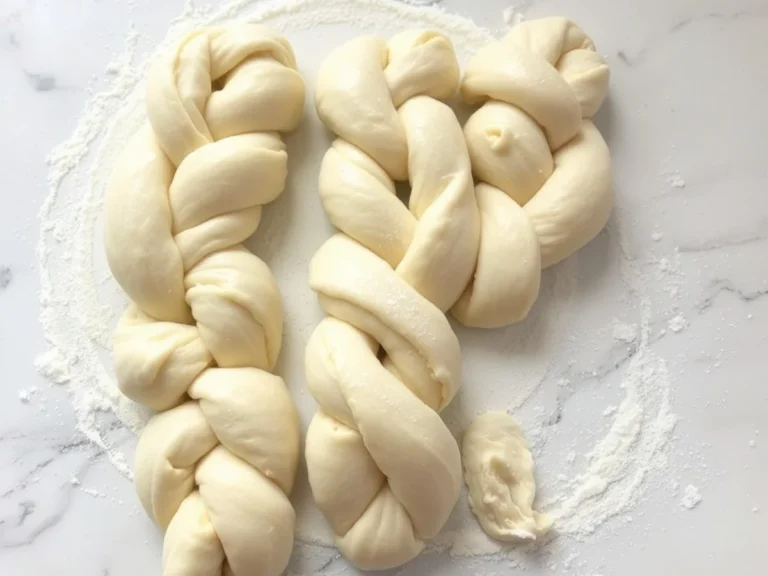
The foundation of this pastry relies on a simple, unleavened mixture of flour, water, salt, and a small amount of fat. This blend creates a firm, workable base that transforms into a light, shattered crust when exposed to high heat.
Many bakers incorporate a small amount of acidic or alcoholic liquid into their dough. These additions serve to relax the gluten network within the flour. By softening the protein structure, these ingredients help prevent the pastry from becoming too chewy or tough once cooked. This technique is often seen in an authentic Brazilian pastel dough recipe to ensure the final result remains delicate and easy to bite through.
Hydration levels are critical for achieving the right consistency. A dough that is too dry will crack during the shaping process, while one with too much moisture will be sticky and difficult to handle. Proper hydration ensures that the dough remains pliable enough to be pressed and stretched without snapping back.
Developing elasticity is essential for rolling the pastry into the thin, uniform sheets required for a quality fried treat. Achieving this thickness allows the edges to seal effectively, trapping the savory meat inside. When the dough is rolled thin enough, it creates a consistent texture that cooks evenly across the entire surface.
To ensure the dough performs well during preparation, consider these common structural elements:
- All-purpose flour provides the necessary protein to build a stable structure.
- Fat, such as oil or shortening, adds tenderness to the final crust.
- Water acts as the primary binding agent to hydrate the flour proteins.
- Salt is added to balance the flavor profile of the pastry.
Using mechanical tools can assist in reaching the desired thinness. A pasta machine is frequently used to process the dough into translucent layers, which helps achieve the characteristic crispiness that defines this style of pastry. Ensuring the dough is rested properly before rolling also allows the gluten to relax, making it easier to stretch to the necessary thinness without pulling or tearing.
Preparing Savory Beef Filling

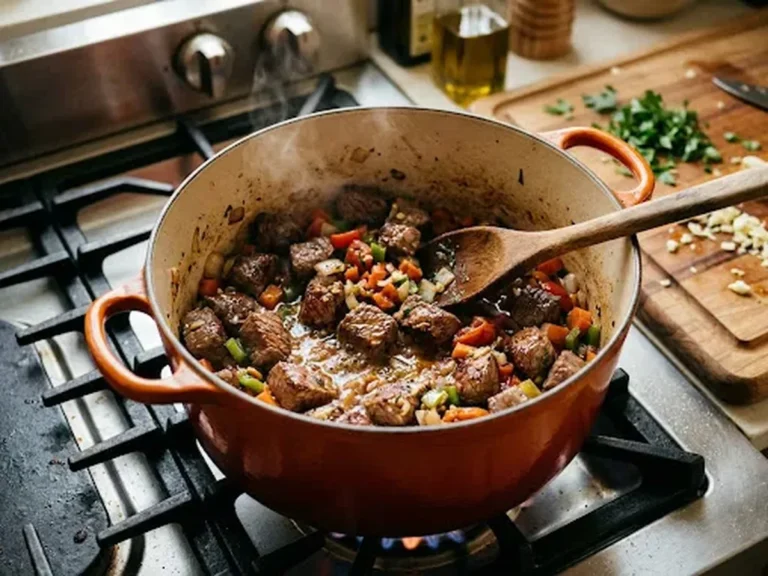
Creating a flavorful meat mixture requires selecting high-quality ground beef and cooking it thoroughly to ensure food safety before it ever touches the dough. Choose meat with a moderate fat content to maintain moisture during the frying process, as leaner cuts may dry out quickly inside the crispy crust.
To achieve the ideal texture and taste for your homemade pastries, consider these essential steps for how to make ground beef filling for pastel:
- Select ground beef that balances lean protein with enough fat to provide a juicy, savory mouthfeel.
- Brown the meat in a wide skillet over medium-high heat until it is fully cooked through and no pink remains, which helps manage moisture levels.
- Drain any excess fat from the pan after cooking to prevent the pastry from becoming greasy from the inside out.
- Incorporate finely diced onions and garlic into the pan once the meat is partially browned to build a deep aromatic base.
- Add herbs such as fresh parsley or green onions at the final stage of cooking to preserve their vibrant color and bright flavor.
- Allow the mixture to cool completely before assembly to ensure the dough remains structural and easy to seal.
Seasoning techniques vary significantly across different regions, often reflecting local preferences for heat and complexity. While some areas favor a simple blend of salt and black pepper to highlight the flavor of the beef, other versions incorporate olives, hard-boiled eggs, or even a touch of tomato paste for a richer consistency. You can adjust your spice profile by experimenting with smoked paprika or a dash of chili flakes if you prefer a subtle kick. Always taste the mixture once the flavors have melded, adjusting the salt levels carefully since the dough itself provides a neutral canvas.
Ensuring the beef is properly cooked before assembly is critical, as the brief time the pastry spends in the oil is not sufficient to finish cooking raw meat. By focusing on achieving a deep brown color during the initial sauté, you develop savory notes that contrast perfectly with the delicate, crispy exterior of the fried dough. Once the meat is ready, ensure it is relatively dry by continuing to cook off any liquid released by the onions or the beef itself. A well-prepared filling should be moist but never watery, as excess liquid can compromise the integrity of the pastry seal.
Assembling Beef Pastels

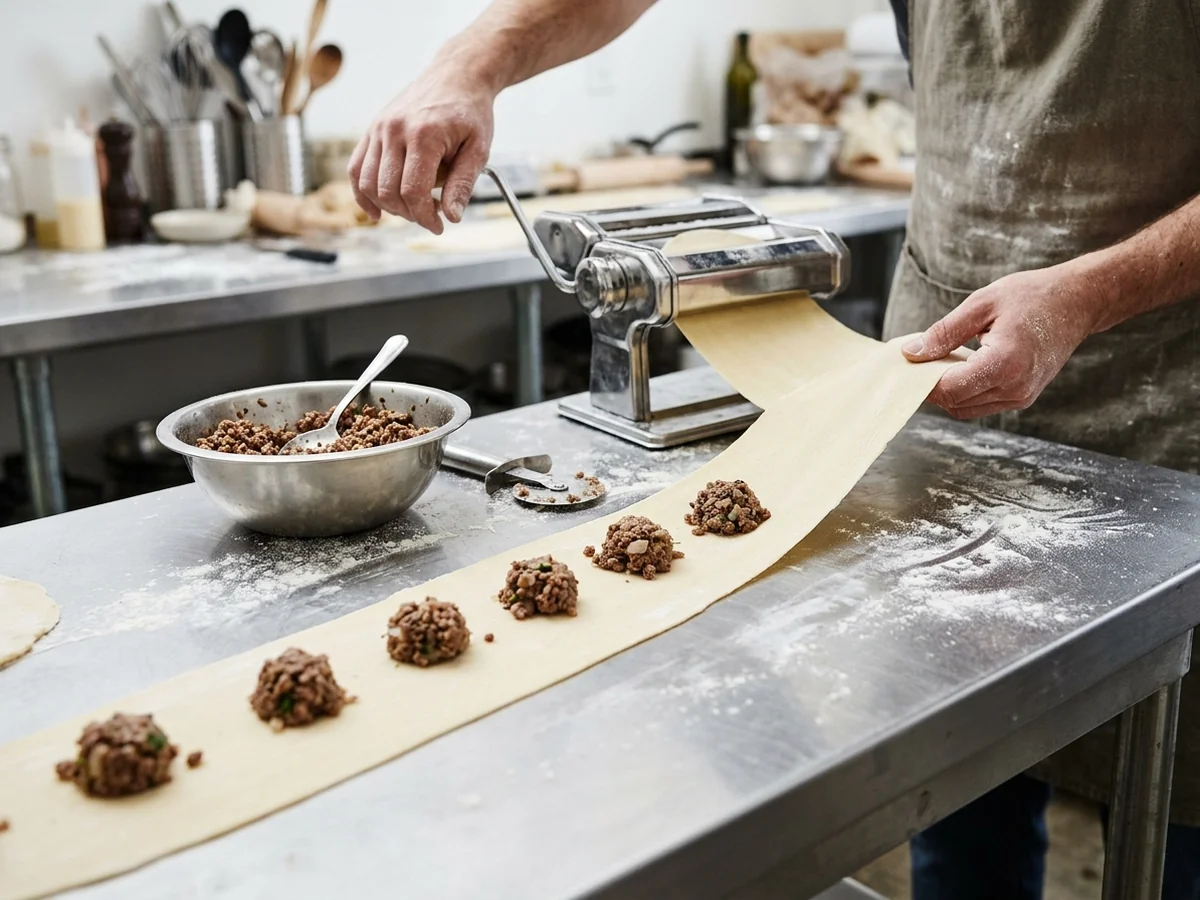
Using a pasta machine is the most effective way to achieve a uniform thickness for your dough sheets. This consistency ensures the pastry cooks evenly, preventing some parts from burning while others remain raw. When you feed the dough through the rollers, start at the widest setting and gradually decrease the thickness until you reach the desired thinness. This mechanical process creates a smooth, elastic texture that is difficult to replicate by hand.
Keeping the dough moist is essential for successful assembly, as it dries out quickly when exposed to air. Always cover any portion of the dough you are not actively working on with a clean, damp kitchen towel or plastic wrap. If the dough loses too much moisture, it becomes brittle and prone to cracking when you attempt to fold it over the beef filling. Working with small, manageable portions helps maintain the pliability required for a perfect seal.
When rolling and cutting your sheets, ensure you have a lightly floured surface to prevent sticking. Roll the dough into a consistent rectangular shape to maximize your yield and minimize scraps. Once you have a thin sheet, place even portions of the savory filling at regular intervals, leaving enough space around the edges to seal them properly. To create a professional brazilian pastel with beef filling, follow these steps to ensure a secure result:
- Use a fork to press down firmly along the edges, creating a crimped seal that prevents the filling from leaking.
- Ensure the edges are completely clean of flour before pressing, as loose flour can prevent the dough layers from bonding.
- Consider using a pastry wheel or a sharp knife to trim the edges into a straight line after sealing for a neat, uniform appearance.
- Remove any excess air pockets from around the filling during the folding process to reduce the chance of the pastry bursting in the oil.
After you finish cutting, keep the assembled pieces covered while you wait for the oil to reach the proper temperature. This prevents the edges from drying out and maintains the integrity of the pastry before it hits the heat. Taking your time during the assembly phase is key to achieving that signature crispy texture that defines this street food favorite.
Mastering the Frying Process
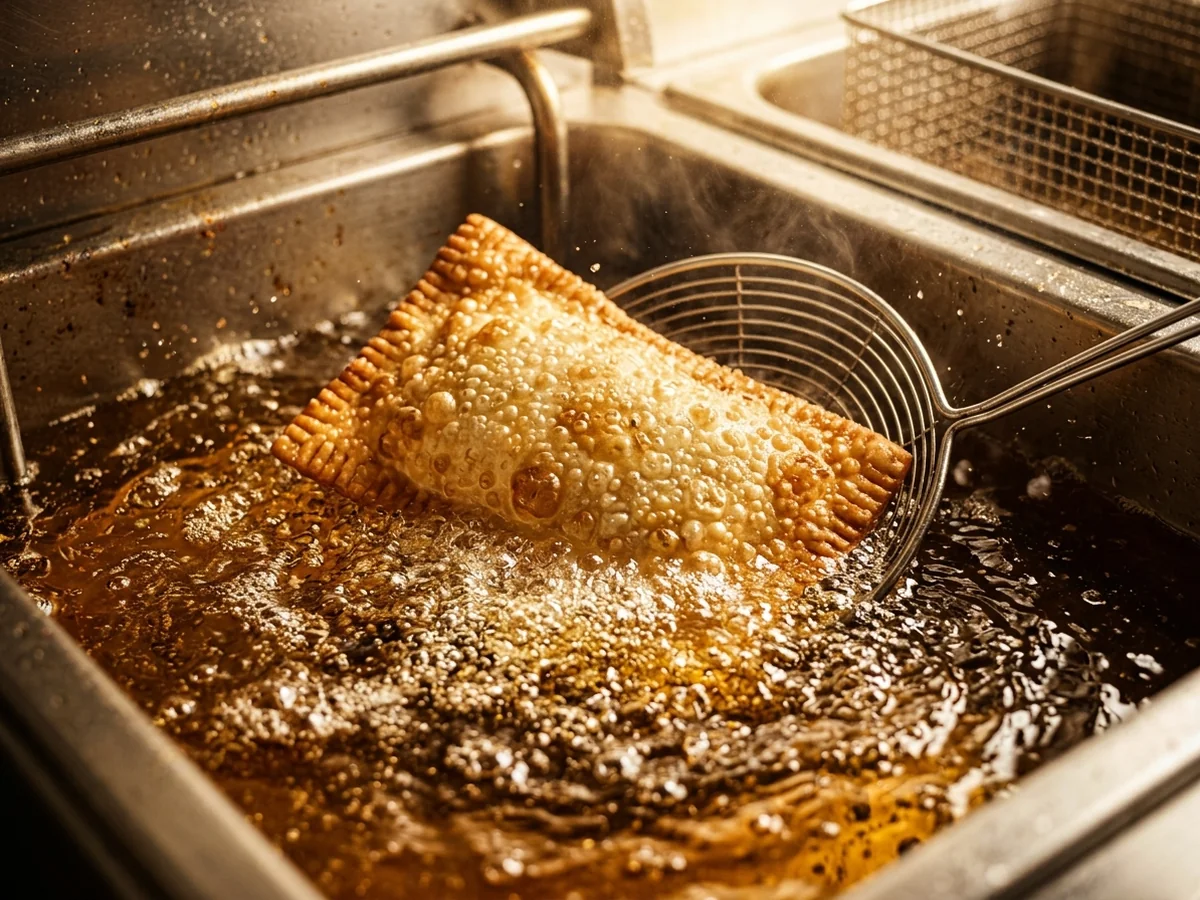
Achieving the perfect texture depends on maintaining a steady oil temperature throughout the cooking process. When the heat is consistent, the dough creates a characteristic crispy shell without soaking up excess fat.
Frying in small batches is the most effective way to manage thermal stability. Adding too many pastries to the pot at once causes the oil temperature to drop significantly, which leads to a soggy crust rather than a light, crunchy finish. By giving each piece enough room to move, you ensure the oil recovers its heat quickly after every addition. This technique serves as one of the most important tips for crispy pastel dough.
The signature bubbles that appear on the surface of the fried pastry are a result of steam trapped between the thin layers of dough. As the moisture inside hits the hot oil, it expands rapidly, creating those iconic blisters. To prevent these bubbles from becoming a problem, ensure the edges are sealed completely before the pastry hits the oil. Using a fork to press and crimp the perimeter creates a strong, physical barrier that keeps the savory beef filling secure and prevents the pastry from bursting during the intense heat of frying.
Selecting the right medium is essential for quality results. Choosing the best oil for deep frying Brazilian pastries often involves selecting fats with a high smoke point to ensure they remain stable throughout the cooking duration.
| Attribute | Impact on Frying |
|---|---|
| Oil Temperature | Controls crispiness and grease absorption |
| Batch Size | Maintains heat levels during cooking |
| Edge Sealing | Prevents filling leakage and bursting |
| Surface Bubbles | Indicates steam release and proper texture |
Proper preparation of your workspace allows for a smooth transition from sealing the dough to placing it in the hot oil. Keep your finished pastries covered with a light cloth while waiting for your turn to fry, as this prevents the thin dough from drying out and cracking before it reaches the pan.
Common Mistakes and Troubleshooting

Tough dough, bursting seams, and excessive oiliness are common challenges when preparing these crispy meat pastries at home. Understanding how to manage your dough consistency, filling moisture, and heat control will ensure better results during frying.
You can address these issues by following these essential practices for consistent, professional results:
- Roll your dough into very thin, uniform sheets to prevent the pastry from becoming unpleasantly chewy or tough after frying.
- Seal the edges of your pastries firmly by pressing down with a fork, which helps prevent the casing from bursting open in the hot oil.
- Avoid overstuffing your pastries with the savory meat mixture, as excess filling creates internal pressure that often leads to leaks or splits.
- Ensure your meat filling is completely cooled and not overly wet before assembly, as excess moisture can lead to soggy interiors and structural failure.
- Maintain a steady heat level during the frying process to prevent the pastry from absorbing too much oil or becoming greasy.
- Fry your pastries in small batches to keep the oil temperature stable, preventing the dough from soaking up excess fat due to a temperature drop.
Toughness often stems from working the dough too much or allowing it to dry out before frying. If your dough feels overly firm, check that you are using the correct flour type and giving it adequate time to rest. A well-rested dough relaxes the gluten, making it much easier to roll thinly without it snapping back or becoming rubbery.
If you notice the pastries feel greasy, the oil temperature is likely too low. If the oil is not hot enough, the dough sits in the liquid fat for too long rather than crisping up immediately. Conversely, if the oil is too hot, the exterior will darken before the dough is cooked through. Testing a small scrap of dough in the oil first can help you gauge the heat before adding your main batch.
Preventing sogginess starts with the filling. Any liquid or fat released from the ground beef should be drained before you add the meat to the dough. If the filling is too loose or juicy, it will steam the inside of the pastry from within, ruining that signature snap. Keeping the filling compact and relatively dry ensures the integrity of the crust from the first bite to the last.
Storage and Reheating Tips
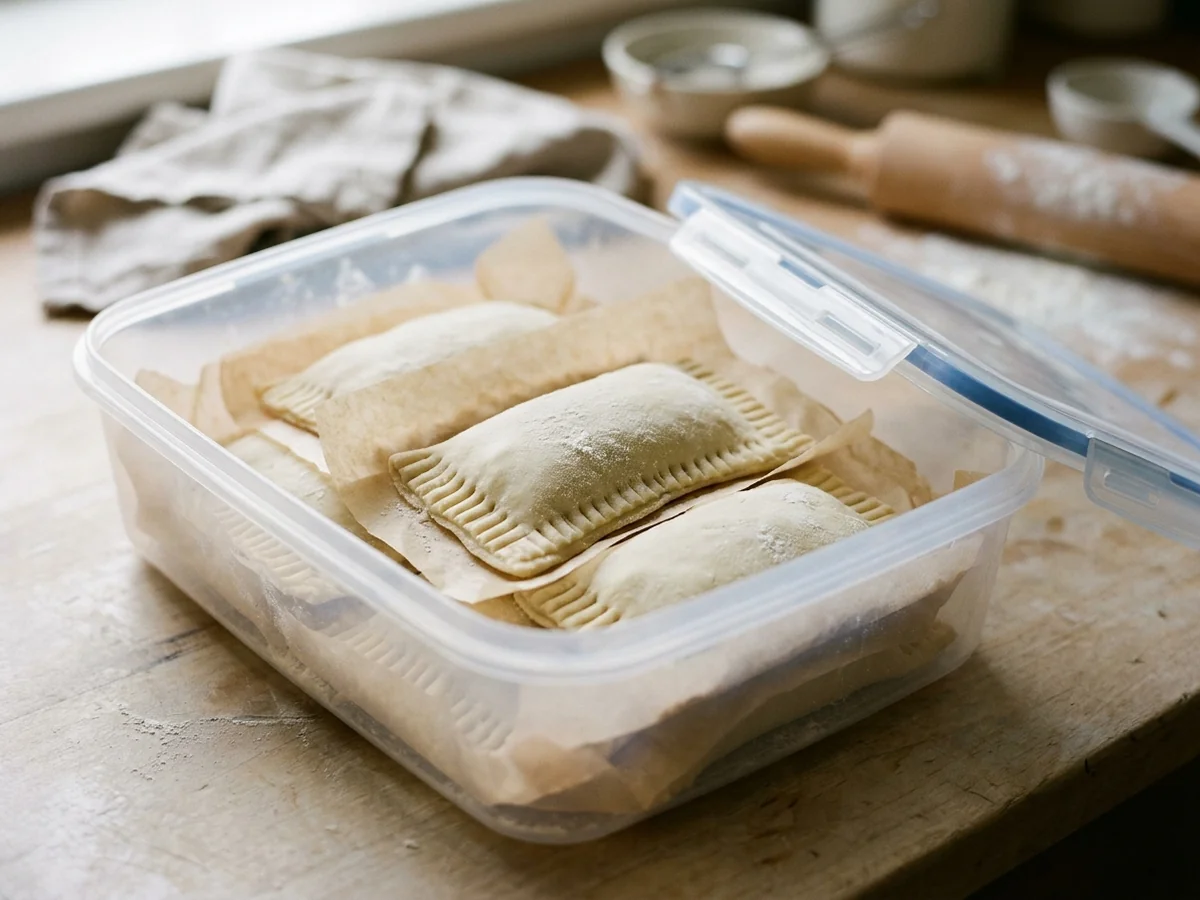
You can prepare the pastry dough in advance to save time, as it holds up well when stored properly. Keep the prepared dough tightly wrapped in plastic film or stored in an airtight container to prevent it from drying out. You can keep it in the refrigerator for up to two days before you are ready to roll, fill, and fry your savory pastries.
If you have leftover fried pastries, the best way to maintain their quality is to refrigerate them once they have cooled completely to room temperature. Place them in a single layer or separate them with parchment paper in an airtight container to avoid sogginess. They will typically remain safe to eat for a few days, though the texture will naturally soften as they sit in the refrigerator.
To restore the crispiness of a fried savory pastry, avoid using the microwave, which tends to make the dough soft and chewy. Instead, choose a method that uses dry heat to revive the crust:
- Use an oven or a toaster oven preheated to a moderate temperature. Place the pastries on a wire rack to allow air to circulate around them, which helps the heat reach all sides evenly.
- An air fryer is an effective tool for reheating, as the circulating hot air quickly crisp the exterior without needing extra oil. Heat them for just a few minutes until they are hot and the crust regains its crunch.
- A dry skillet over medium-low heat can also work well if you are careful to flip the pastries frequently. This method is useful if you only have one or two pieces to reheat and want to monitor the texture closely to prevent burning.
Always watch the pastries closely during the reheating process, as the thin dough can brown very quickly once it has already been fried. The goal is to warm the savory filling through while removing any excess moisture from the crust. If you find the pastries have become too soft, a slightly longer time in a conventional oven or air fryer will usually bring back that signature crunch.
FAQ
How can I keep Brazilian pastel with beef filling from soaking up too much oil?
Maintaining a consistent, high temperature in your cooking oil is the most effective way to prevent the pastry from becoming greasy. Adding a small amount of acidic liquid, such as vinegar or spirits, to the dough recipe is a common technique that helps the pastry resist oil absorption during the frying process.
What type of ground beef works best for the filling?
Lean ground beef is generally preferred to ensure the filling remains savory without becoming overly oily or causing the dough to soften from the inside. Many cooks prefer a grind with around 15 to 20 percent fat to maintain a juicy texture that complements the crispy exterior of the Brazilian pastel.
What is the best way to seal the edges of the pastry?
Pressing the edges firmly with the tines of a fork creates a secure seal that prevents the filling from leaking into the oil. For an even tighter bond, you can lightly brush a small amount of water or egg wash along the inner edges of the dough before folding it over the beef filling.
How long should I fry each side of the pastel?
The frying time is typically quite short, often lasting only one to two minutes per side until the dough turns a golden brown color. Because the dough is rolled very thin, it cooks rapidly, so watching the color change closely is more reliable than strictly timing the process.
Can I prepare the dough in advance?
Dough for Brazilian pastel with beef filling can be made ahead of time and stored in the refrigerator, provided it is wrapped tightly to prevent drying out. Keeping the dough chilled can actually make it easier to roll into the thin, consistent sheets necessary for achieving the signature crispy texture once fried.
Conclusion
Creating an authentic brazilian pastel with beef filling at home requires patience, especially when rolling the dough to the necessary thinness. Once you have mastered the folding and sealing techniques, the final step is to heat your oil to a steady temperature before frying in small batches. This ensures each pastry achieves that iconic, bubbling crust and savory interior. With these preparation methods in hand, you are ready to start frying your own batch and enjoying the classic flavors of a traditional street market favorite.
You might also like: Traditional Brazilian Picanha Steak Techniques