
Traditional Brazilian Picanha Steak Techniques
Introduction
Mastering authentic brazilian picanha steak techniques requires a focus on careful slicing and controlled heat to highlight the unique qualities of this beef cut. By following traditional methods, home cooks can achieve the tender texture and rich flavor profile that define this classic dish.
This article explores the fundamental practices for preparing and cooking this cut, which is widely recognized as a triangular piece of beef located at the top of the rump near the sirloin. You will learn how to manage the thick fat cap that contributes to its flavor and tenderness, along with traditional seasoning approaches and precise temperature management for optimal results. Whether you are using a charcoal grill or standard kitchen equipment, these techniques provide a structured path to achieving a professional finish at home.
Essential Picanha Preparation Tips
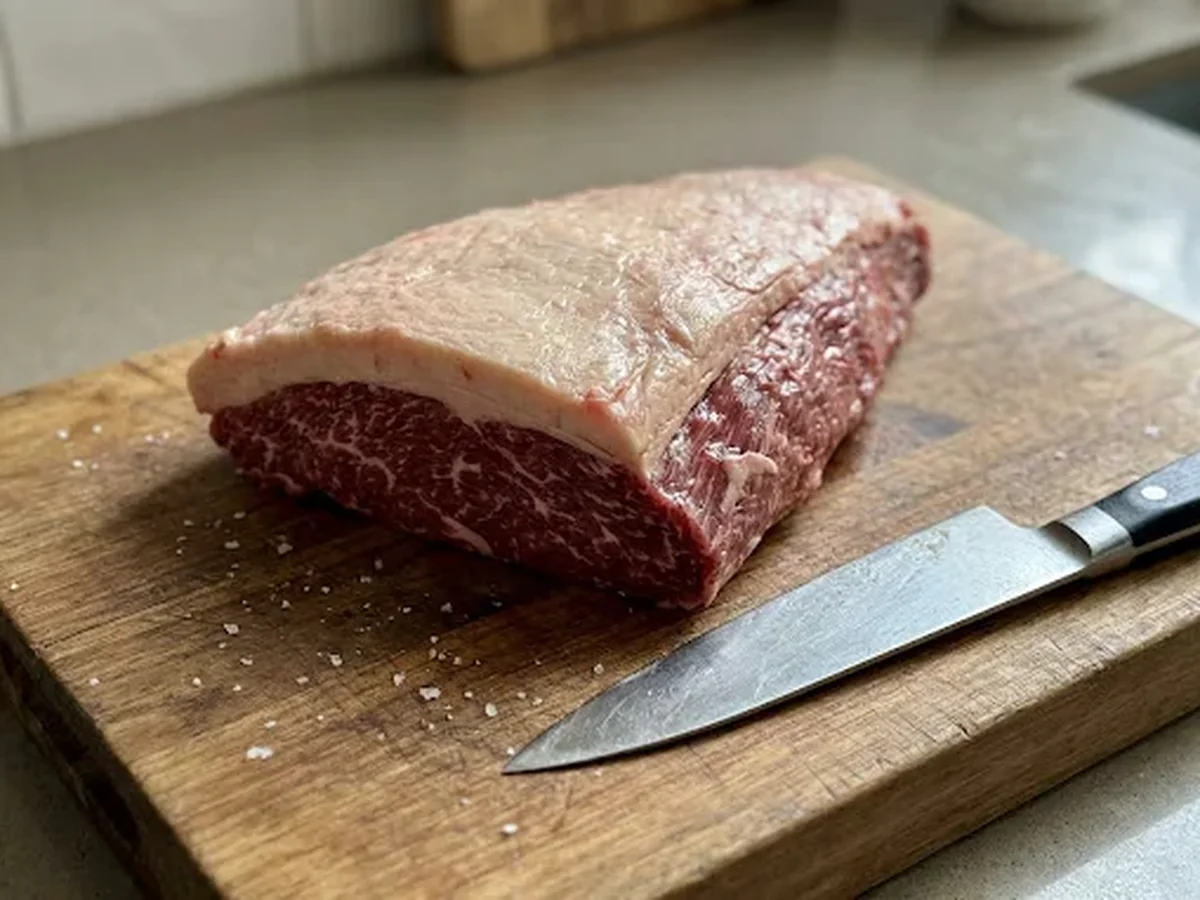
Often identified as a triangular cut found where the rump meets the sirloin, picanha is a popular choice for those who value both deep, beefy flavor and a manageable texture. This beef rump cap is a staple in many kitchens.
A thick fat cap is a defining feature of this cut. According to the National Library of Medicine, this layer contributes significantly to the overall flavor and tenderness of the meat. When preparing your beef, keeping this fat layer intact is the most important step for achieving a professional result.
Mastering the Fat and Slicing
Effective picanha fat cap rendering tips focus on keeping the fat layer intact during the initial sear. If you are cooking on a charcoal grill, place the fat side down first to allow it to render and crisp. If you are using rotisserie skewers, the fat should face the heat source to ensure it melts slowly into the muscle fibers. A common mistake is trimming this fat before cooking, as doing so removes the primary source of moisture and flavor.
When learning how to slice picanha for grilling, always cut against the grain. You can slice the whole roast into thick steaks before cooking, or roast the entire piece and slice it into thinner portions afterward to ensure every bite remains tender.
Authentic Seasoning and Heat Management
Authentic Brazilian picanha seasoning relies on simplicity. High-quality coarse sea salt is the only essential ingredient. Because the meat is naturally flavorful, heavy marinades or complex rubs often mask its character. Apply the salt liberally to all sides just before the meat hits the heat. This creates a crust that protects the interior while the fat renders.
Temperature control is vital for achieving the best internal temperature for picanha. While personal preference varies, many chefs aim for medium-rare to medium, as this allows the fat to fully soften without losing the juiciness of the meat.
| Doneness | Target Internal Temperature |
|---|---|
| Rare | 120 to 125 degrees Fahrenheit |
| Medium-Rare | 130 to 135 degrees Fahrenheit |
| Medium | 140 to 145 degrees Fahrenheit |
Whether you are cooking picanha on a rotisserie or using a standard grill, patience is key. Avoid aggressive flame flare-ups by managing your charcoal placement, keeping the meat over indirect heat if the fat begins to drip and ignite too quickly. Focus on slow, even heat to ensure the center reaches your desired doneness temperature without burning the exterior.
Understanding the Cut

Picanha is widely recognized as a triangular cut of beef typically sourced from the top of the rump, located where the rump meets the sirloin. In culinary circles, it is often referred to as the beef rump cap. This cut is highly regarded for its distinct shape and, most importantly, the generous layer of fat that blankets the top of the muscle. This fat cap is a defining feature of the cut and plays a critical role in the success of traditional Brazilian picanha steak techniques.
Research published in the National Library of Medicine confirms that this thick fat cap is essential for the flavor and tenderness of the final dish. As the beef cooks, the fat renders and effectively bastes the meat, infusing it with moisture and richness. When preparing this cut, it is standard practice to leave the fat cap intact. Trimming it away before cooking removes the very element that protects the meat fibers from drying out over high heat.
Mastering how to slice picanha for grilling is just as important as the cooking method itself. The muscle fibers in this cut run in a consistent direction, with the fat cap sitting firmly across the grain. A common mistake among home cooks is slicing parallel to these fibers. Because the muscle fibers are relatively long, this approach results in a chewy texture, regardless of how perfectly you monitor the internal temperature. To ensure maximum tenderness, you must identify the direction of the grain and slice perpendicular to it. This action shortens the muscle fibers, creating a much more pleasant, melt in your mouth experience on the plate.
For those aiming to replicate the authentic churrasco style, focus on the relationship between the heat and the fat. Proper picanha fat cap rendering tips usually involve exposing the fat to direct heat early in the process, allowing it to soften and flavor the meat as it cooks. If you choose to use rotisserie skewers, the fat continues to baste the meat as it rotates. By respecting the structure of the grain and preserving the fat, you allow the natural qualities of the beef to shine through with minimal intervention.
Authentic Seasoning Methods

Coarse sea salt is the standard for authentic brazilian picanha seasoning because it draws out moisture to create a crisp, flavorful crust without overpowering the natural taste of the beef. This mineral-rich salt does not dissolve as quickly as finer grains, allowing it to remain intact on the surface until the heat from a charcoal grill or rotisserie transforms it into a savory, crunchy exterior.
Traditional methods favor this simple approach over complex marinades. Picanha is a triangular cut of beef typically taken from the top of the rump, where it meets the sirloin. Because the meat is known for having a thick fat cap that contributes to its flavor and tenderness, keeping the seasoning minimal ensures the fat renders cleanly. Marinating this cut risks masking its inherent character and can introduce excess liquid that interferes with proper searing.
Applying the Salt Properly
Achieving the right balance involves a consistent application across all sides of the beef. To ensure a flavorful crust, aim for a generous layer that covers the entire surface without creating a thick, clumpy pile. Follow these steps for an authentic application:
- Cut the meat into thick steaks or leave the piece whole based on your preferred style for cooking picanha on a rotisserie or grill.
- Apply a uniform layer of coarse sea salt to every side, including the fat cap.
- Let the meat rest for several minutes before it touches the heat so the salt can interact with the surface.
- Brush off any excessive, loose salt just before placing the meat on the heat source to prevent a bitter taste.
Managing the Fat Cap
The fat cap is the defining feature of this cut. Successful picanha fat cap rendering tips center on controlled heat exposure. If you are using rotisserie skewers, the fat should face outward, allowing it to baste the lean meat as it melts. If grilling, place the fat side toward the cooler zone of the grill initially to allow it to soften before searing over direct heat. Avoid aggressive trimming of the fat, as this layer is essential for achieving the rich, deep taste expected in a classic churrasco.
By relying on the quality of the beef and the coarse texture of the salt, you allow the heat to do the work of enhancing the natural juices. This approach highlights why simple seasoning remains the most effective way to prepare this prized cut, focusing on technique rather than heavy additives.
Mastering Slicing Techniques

Achieving the perfect bite of beef begins long before the heat hits the meat. When mastering brazilian picanha steak techniques, the primary goal is ensuring tenderness through precise fiber alignment. This cut is widely recognized as a triangular piece of beef originating from the top of the rump, near the sirloin connection, and its grain structure can shift as you move toward the narrower end. Slicing against the grain is the most effective way to shorten the muscle fibers, which prevents the cooked beef from becoming chewy or tough.
The Role of the Fat Cap
Picanha is known for having a thick fat cap that contributes to its flavor and tenderness, according to research published by the National Center for Biotechnology Information. When learning how to slice picanha for grilling, the integrity of this fat layer is paramount. It acts as a natural baste, protecting the lean meat from drying out under the intense heat of a charcoal grill. If you choose to roast the entire piece, consider scoring the surface in a diamond pattern. This allows the fat to render slowly, basting the meat as it cooks and preventing the exterior from shrinking or curling.
Step by Step Carving
Before making your first cut, inspect the raw beef to identify the direction of the muscle fibers. If you intend to serve traditional steaks, follow these steps for uniform results:
- Position the cut on your cutting board with the grain running parallel to your knife.
- Use a long, sharp slicing knife to cut steaks approximately one to two inches thick.
- Ensure the fat cap remains attached to every slice by cutting perpendicular to the surface of the meat.
- Check your knife angle frequently as you carve toward the narrower end of the triangle, as the grain orientation often shifts.
Common Slicing Mistakes
A common error is slicing parallel to the fibers rather than across them. This mistake leaves long, uncut muscle strands that result in a rubbery texture, even if the meat is cooked to the correct doneness temperature. Additionally, avoid removing the fat cap before cooking. Even if you prefer to eat less fat, keeping it intact during the cooking process is essential for maintaining the moisture content of the meat. For those using rotisserie skewers, slice the meat into thick, horseshoe-shaped strips to ensure they hold their structure while rotating over the fire. By focusing on the orientation of the grain and preserving the fat, you ensure that every portion served maintains the high quality characteristic of this cut.
Grilling and Rotisserie Methods

The choice between using a charcoal grill and using rotisserie skewers changes how heat interacts with the beef rump cap. Grilling directly over coals provides a charred, smoky exterior, while cooking picanha on a rotisserie ensures consistent self-basting as the fat renders slowly over the heat source. Picanha is known for having a thick fat cap that contributes to its flavor and tenderness, making the method of heat application vital for success.
Mastering the Charcoal Grill
For a charcoal grill, arrange your coals in a two-zone setup. This configuration keeps one side of the grill hot for searing and the other side cooler for finishing the meat. If the fat begins to flare up, move the steaks away from direct flames immediately. This prevents the outside from charring before the center reaches your desired internal temperature. When preparing Brazilian picanha steak techniques, avoid using sugary marinades that burn rapidly. Instead, focus on authentic Brazilian picanha seasoning by applying coarse sea salt generously to all sides before the meat hits the grate.
The Rotisserie Technique
When using rotisserie skewers, the key to even heat distribution is maintaining a steady distance from the fire. By curving the meat into a C-shape on the skewer with the fat cap facing outward, you allow the heat to circulate around the entire surface. This orientation promotes uniform cooking while letting the melting fat drip down to baste the leaner portions of the steak. This traditional churrasco method helps achieve the ideal texture, as the constant rotation prevents localized burning and ensures the fat renders evenly through the muscle fibers.
Refining Your Fat Rendering
Proper fat rendering is essential for this cut. Follow these steps to ensure the fat layer cooks down correctly for the best results:
- Score the fat surface in a crosshatch pattern to increase the surface area exposed to the heat.
- Start the cooking process with the fat side facing the heat to initiate the melting process early.
- Avoid high heat spikes that scorch the fat before it has time to liquify and crisp up.
- Allow the meat to rest after cooking so the rendered fats can redistribute into the muscle fibers.
Whether you choose a grill or a rotisserie, monitor your heat carefully to avoid carbonizing the exterior. A gentle approach helps the fat cap develop a golden, crispy finish. Aim for a medium-rare result, as this is widely considered the best internal temperature for picanha to maintain moisture and tenderness. Regardless of the equipment used, slicing the meat against the grain after it has rested is the final step in ensuring a tender bite.
Temperature and Doneness Guide

Achieving the best internal temperature for picanha requires precision, as the goal is to balance a crusty, salted exterior with a succulent, tender interior. This cut is commonly associated with the top of the rump near the sirloin, and it is known for having a thick fat cap that contributes to its flavor and tenderness. When applying authentic Brazilian picanha steak techniques, you are essentially looking to render this fat slowly while keeping the muscle fiber at the ideal doneness level.
Understanding Fat Rendering
The fat cap is the defining characteristic of this cut, contributing significantly to its overall flavor and tenderness. A common mistake among home cooks is rushing the heat. If the temperature is too high, the fat remains tough and chewy rather than melting into the meat. To render the fat cap effectively, focus on using indirect heat or maintaining a controlled distance from the coals. You want the fat to become translucent and soft. If you find the fat is not rendering fast enough before the center reaches your target temperature, consider scoring the fat layer in a crosshatch pattern to encourage even melting.
Managing Carryover Cooking
A reliable meat thermometer is the most important tool for success. Because picanha is often prepared as a whole or half-roast before slicing, the internal temperature will rise by 5 to 10 degrees Fahrenheit after you pull it from the heat source. To avoid overcooking, remove the beef when the thermometer reads at the lower end of your desired range. Allowing the meat to rest for at least 10 minutes is mandatory. During this time, the juices redistribute throughout the muscle, ensuring each slice remains juicy and flavorful rather than dry.
| Doneness Level | Internal Temperature Range | Texture and Flavor Profile |
|---|---|---|
| Rare | 120 to 125 degrees Fahrenheit | Cool center with a soft, very tender bite |
| Medium-Rare | 130 to 135 degrees Fahrenheit | Warm red center, optimal for fat rendering |
| Medium | 140 to 145 degrees Fahrenheit | Pink center with a firmer, chewier texture |
| Medium-Well | 150 to 155 degrees Fahrenheit | Mostly grey center with significantly less moisture |
Why Medium-Rare is the Standard
In the tradition of churrasco, medium-rare is widely considered the gold standard. This temperature range preserves the integrity of the beef, preventing the proteins from tightening excessively. When the meat is cooked past medium, the fat cap often loses its structural integrity and melts away entirely, resulting in a loss of the rich, buttery mouthfeel that defines the cut. While doneness temperature standards are ultimately a matter of preference, staying within the 130 to 135 degree Fahrenheit window provides the most authentic experience, especially when paired with simple seasonings like coarse sea salt.
Troubleshooting Common Mistakes

You can achieve a professional result by addressing heat distribution, fat rendering, and precision in how you portion the meat. These adjustments ensure your dinner avoids the typical pitfalls of uneven cooking or textures that feel tough.
Consider these essential corrections to improve your grilling outcome:
- Score the fat cap in a crosshatch pattern before cooking to allow heat to penetrate and render the fat more evenly across the surface.
- Always slice the beef against the grain after it has rested, as cutting with the fibers creates a chewy, undesirable texture.
- Maintain a two-zone heat setup on your charcoal grill, which provides a safe space to move the meat if fat drippings cause sudden flare-ups.
- Keep the fat cap side facing away from the direct heat source if you notice it burning before the center reaches your preferred doneness level.
- Use a sharp, thin-bladed knife to ensure clean portions, as tearing the meat during slicing can compromise the tenderness of the final bite.
- Avoid overcrowding the grill rack, because proper airflow is necessary for the fat to crisp up rather than steaming in its own juices.
Picanha is known for having a thick fat cap that contributes to its flavor and tenderness. When this layer does not render correctly, it can feel waxy or unappealing. By managing your heat source and ensuring the fat is scored, you allow the heat to melt the tissue into the meat, enhancing the overall quality of the dish. Proper slicing further protects your efforts, as the orientation of your knife determines whether each piece feels delicate or difficult to chew.
Flare-ups are another common concern when dealing with high-fat cuts over an open flame. If you experience intense bursts of fire, simply shift the steaks to a cooler part of the grill. This indirect heat environment allows the beef to finish cooking gently without charring the exterior prematurely. Monitoring the intensity of your coals helps maintain a steady, controlled environment throughout the entire cooking process.
FAQ
How do Brazilians cook picanha?
In traditional churrasco, picanha is typically sliced into thick strips, curved into a C-shape with the fat cap facing outward, and skewered before grilling over hot coals. This method allows the fat to render slowly while basting the meat, creating a crispy exterior and a juicy center.
How to make picanha steak more tender?
You can ensure maximum tenderness by slicing the meat against the grain after it has rested for at least ten minutes. Keeping the fat cap intact during the cooking process is also essential, as it provides consistent moisture and flavor to the lean portion of the beef.
Do I need to marinate picanha steak?
When preparing this cut in the Brazilian style, the common approach is to use only coarse sea salt, which draws out the natural juices and forms a flavorful crust. Marinating is generally discouraged because it can mask the rich, beefy profile that makes this cut so desirable.
Should picanha be medium rare?
Serving picanha at medium rare is widely considered the best way to enjoy its texture, as it balances a warm, soft center with a perfectly rendered fat cap. While personal preference varies, keeping the internal temperature between 130 and 135 degrees Fahrenheit ensures the meat remains succulent without becoming tough.
What is the most important part of the steak?
Picanha is known for having a thick fat cap that contributes to its flavor and tenderness. When selecting your cut, look for a solid layer of white fat that covers the top of the beef rump cap to ensure the best results on the grill.
Conclusion
Mastering these traditional methods requires balancing heat control with proper meat selection. Whether you opt for a charcoal grill or a rotisserie, the focus remains on rendering the fat cap to enhance the overall flavor and tenderness of the beef. By consistently applying these brazilian picanha steak techniques, you can achieve a result that honors the authentic style of a classic churrasco experience. To get started, select a high quality piece of beef with a thick fat cap and prepare your coals for an initial sear.
Sources: pmc.ncbi.nlm.nih.gov
You might also like: Savory Cloud Bread with Herbs and Garlic Recipe