
Authentic Brazilian Picanha Recipe (Sirloin Cap Steak)
Introduction
Preparing an authentic brazilian picanha requires selecting a high-quality cut of meat known as the top sirloin cap, which is prized for its thick layer of fat. This guide explores the traditional methods for seasoning and cooking this specific cut to achieve a tender, flavorful result that mimics a classic churrasco experience.
You will learn how to identify this cut at your local butcher or supermarket, where it is often labeled as a culotte steak or rump cover. The following sections cover essential preparation steps, including the traditional use of coarse salt, proper slicing techniques, and recommended side dishes like farofa de ovo. Whether you are using a grill or adapting the process for your kitchen, these instructions provide the foundation for a successful meal with consistent yield and timing.
Selecting Premium Picanha

To secure a high-quality cut for your meal, look for the culotte or top sirloin cap at your local butcher or specialty meat supplier. Many butchers in the United States may label this specific cut as a rump cover or simply top sirloin cap, so it helps to be familiar with these common industry terms when shopping.
While some specialty retailers or online services have become popular options for sourcing this cut across the United States, your local butcher is often the most reliable source for a fresh, untrimmed piece.
The Significance of the Fat Cap
The most defining characteristic of this piece of meat is the thick layer of fat on its surface. In traditional churrasco, this fat cap is often considered essential because it bastes the beef as it cooks, infusing the muscle with moisture and deep flavor. When choosing your roast, prioritize pieces with an even, white fat covering rather than those where the fat has been trimmed away.
Because the fat cap is a signature element, resist the urge to remove it before the heat hits the grill or skillet. If you find your butcher has trimmed the fat too thin, you might need to seek out a different supplier to ensure you maintain the integrity of the cut. By starting with a well-fatted piece of beef, you set the foundation for a tender, flavorful, and authentic result that mirrors the experience found in Brazilian steakhouses.
Preparing Your Cut
You can prepare this cut in several ways to achieve successful results at home. Many enthusiasts prefer to keep the roast whole for a traditional rotisserie style preparation. Alternatively, you may choose to slice the meat into thick, chunky steaks with the grain before cooking to maximize the surface area for the fat to render. Regardless of the method, ensure the meat is well-marbled, as this contributes to the tenderness and rich taste expected from a traditional preparation.
For those following a Goya Brazilian-style picanha recipe, a 3 to 4 pound portion typically yields 4 to 6 servings, with a total prep time of about 10 minutes and a cook time of 20 minutes. Once you have selected your meat, remember that coarse salt, or sal grosso, is the traditional seasoning often used for authentic Brazilian picanha to enhance its natural profile.
Identifying the Picanha Cut

Picanha is the Portuguese name for the top sirloin cap, which is widely recognized in culinary circles as the culotte steak. It is a prized cut of beef known for its distinctive triangular shape and a thick layer of fat on one side, commonly referred to as the fat cap.
You may find that local butchers in the United States often label this specific cut differently than you might expect. Outside of specialty shops, it is frequently sold under various names that can make sourcing an authentic brazilian picanha a bit challenging. Common retail labels include rump cover, sirloin cap, or coulotte.
When searching for this cut, it helps to be specific with your request. If you are shopping at a large retailer, you can sometimes find the picanha cut of meat at Costco, though it is usually tucked away under the rump cover or sirloin cap designation. It is always a good idea to speak directly with the butcher behind the counter.
- Ask for the top sirloin cap with the fat cap left intact.
- Check if the meat has a consistent, thick layer of fat, as this is essential for flavor.
- If you cannot find it labeled specifically as picanha, ask the butcher for a culotte roast.
Because the fat cap is the defining feature of this cut, avoid any pieces where the fat has been trimmed away. Many butchers are accustomed to removing excess fat for standard roasts, so a quick conversation can ensure you get the right piece for your meal. Whether you are ordering from a local supplier or browsing a larger warehouse, looking for the telltale triangular shape and the generous fat layer will help you identify the correct piece of meat every time.
The Essential Fat Cap
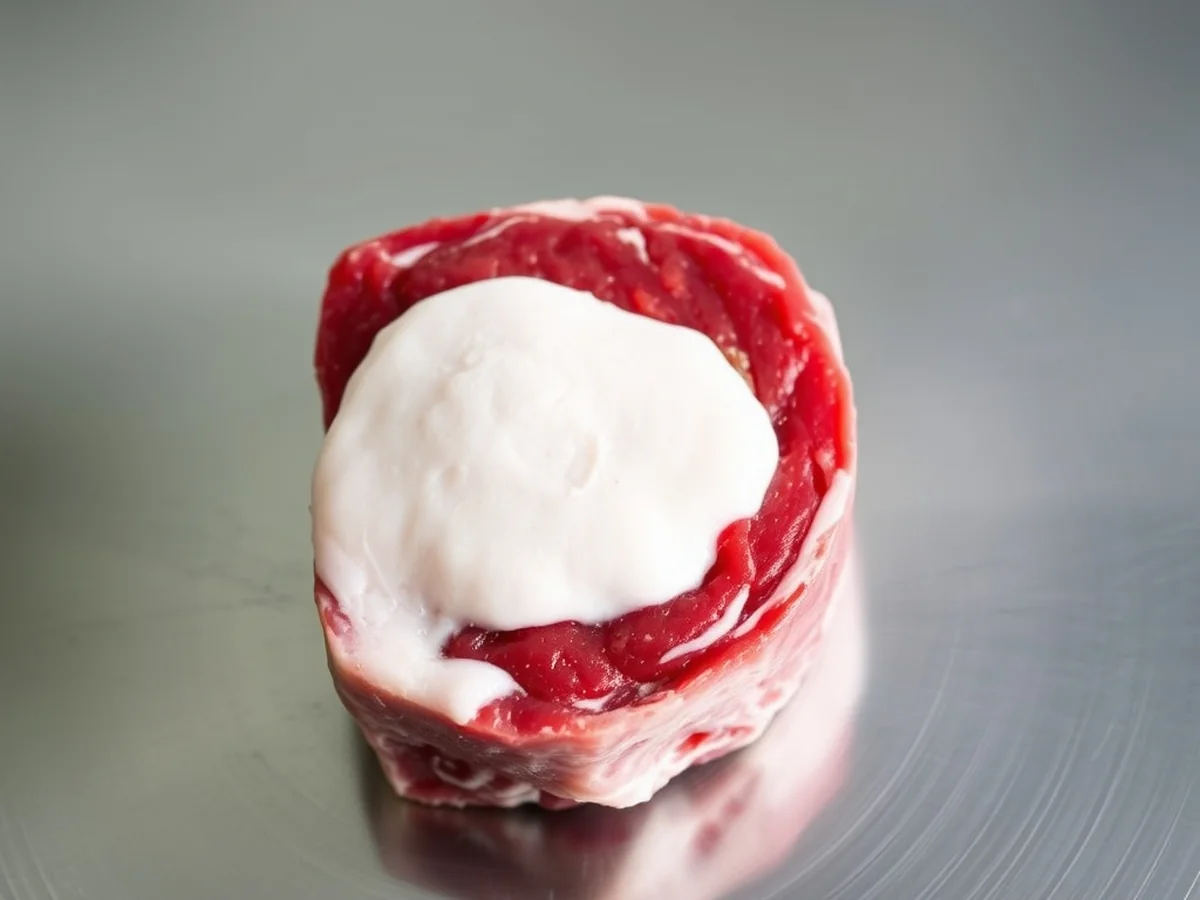
The signature thick layer of white fat, commonly known as the fat cap, is the defining feature of this specific cut of meat. In the culinary world, this piece is typically recognized as the culotte or top sirloin cap. Without this distinct layer, the steak would lose much of its character and expected profile.
This fat is crucial because it acts as a self-basting mechanism during the cooking process. As the heat hits the surface, the fat renders down and permeates the lean meat, providing deep flavor and essential moisture. This natural process ensures the result remains succulent and tender, which is why preserving the integrity of the cap is a standard practice among those preparing the dish.
When selecting your steak, look for a piece with the following characteristics:
- The fat cap should be opaque and firm, ideally reaching about half an inch in thickness.
- The lean meat underneath should exhibit fine marbling, which contributes to a consistent texture.
- Avoid pieces where the fat has been trimmed away, as this removes the most significant source of moisture and flavor during grilling.
Selecting a high-quality cut with a uniform fat layer is the most important step in preparing this dish at home. If the fat is too thin, the meat may dry out before the exterior achieves the desired sear. Conversely, a substantial, even layer protects the delicate beef, allowing you to achieve a beautiful crust while keeping the interior juicy. Always inspect the thickness of the cap at the butcher counter to ensure you have enough to render properly during the cooking time.
Traditional Seasoning Methods

The hallmark of an authentic Brazilian picanha is its minimalist approach to flavor. Because the picanha cut of meat, often sourced from the top sirloin or culotte, comes with a thick layer of fat known as the fat cap, the beef is naturally self-basting. Traditional preparation avoids heavy marinades or complex spice blends, which can mask the rich, buttery profile of the steak. Instead, the focus is placed on the quality of the cut and the use of coarse salt, or sal grosso.
The Role of Sal Grosso
Coarse salt is the standard for a reason. Its large crystals do not dissolve instantly, allowing them to penetrate the surface slowly while creating a savory, textured crust. When grilling, this crust helps seal in the juices. To apply it effectively, coat the meat generously on all sides immediately before it hits the heat. Avoid adding liquid marinades, as these can soften the fat too much, preventing it from rendering into the crispy, golden finish that defines a perfect churrasco experience.
Preparation and Resting
Many home cooks wonder how to season Brazilian picanha without overcomplicating the process. The standard practice involves cutting the meat into chunky steaks before cooking. For those following a traditional approach, such as the method suggested by Goya Foods, you might expect a preparation time of about 10 minutes and a cook time of roughly 20 minutes, yielding 4 to 6 servings from a 3 to 4 pound cut. Once the meat is salted, let it rest briefly so the salt can integrate with the muscle fibers. This improves tenderness without the need for acidic ingredients often found in a best Brazilian picanha marinade.
Serving Suggestions
To keep the meal authentic, serve your steak alongside traditional sides that balance the richness of the beef. A common accompaniment is farofa de ovo, a savory dish made with cassava flour, butter, onions, and eggs. This toasted flour mixture adds a necessary crunch and absorbs the rendered fat from the meat, completing the plate. By sticking to these simple, time-honored seasoning techniques, you ensure the natural character of the beef remains the star of your meal.
Grilling Picanha to Perfection

Authentic Brazilian picanha is a cut from the top sirloin, known in Portugal as the culotte. The key to a memorable churrasco lies in the fat cap that sits on top of the meat. When cooked correctly, this fat melts into the steak, creating a tender interior and a caramelized crust that many barbecue lovers crave.
Why the fat cap matters: The fat melts during high‑heat cooking, basting the steak from the inside while the exterior develops a flavorful crust. Skipping or trimming the cap too aggressively can result in a drier, less aromatic piece of meat.
Step‑by‑step approach for a grill:
- Bring the picanha to room temperature 20, 30 minutes before cooking. This helps the meat cook evenly.
- Season generously with coarse salt or sal grosso, pressing it into the fat and flesh. The salt draws out moisture, allowing a better sear.
- Preheat a charcoal or gas grill to a high, direct heat zone. If using charcoal, let the coals burn until they are covered with ash.
- Sear the fat side first, about 2 minutes, until a dark brown crust forms.
- Flip the steak, reduce the heat to medium, and continue cooking until the internal temperature reaches 130°F for medium‑rare, 140°F for medium. A digital meat thermometer is the most reliable way to gauge doneness.
- Rest the steak for 5, 10 minutes before slicing. This lets the juices redistribute, keeping the meat juicy.
Common mistakes to avoid:
- Cooking at too low a temperature, which prevents crust formation and can leave the fat under‑rendered.
- Skipping the rest period, leading to watery slices.
- Using a fine salt; coarse salt adheres better to the fat and releases less moisture.
For those without a grill, an oven can replicate the experience with some adjustments. Set the oven to 450°F and place the steak on a rack in a roasting pan. Roast for 10, 12 minutes per side for medium‑rare, then finish with a quick broil for 1, 2 minutes to develop a crust. The indirect heat of the oven produces a more even cook, but the smoky flavor of charcoal is missing.
Typical timing for a Goya Brazilian‑style picanha recipe is 10 minutes of preparation and 20 minutes of cook time, yielding 4 to 6 servings from a 3, 4 pound piece. This makes it an ideal choice for family gatherings or a weekend cookout.
Choosing between grill and oven depends on your cooking environment and the flavor profile you prefer. Both methods can deliver a tender, authentic picanha when the fat cap is respected and the meat is allowed to rest after cooking.
Slicing and Serving Techniques
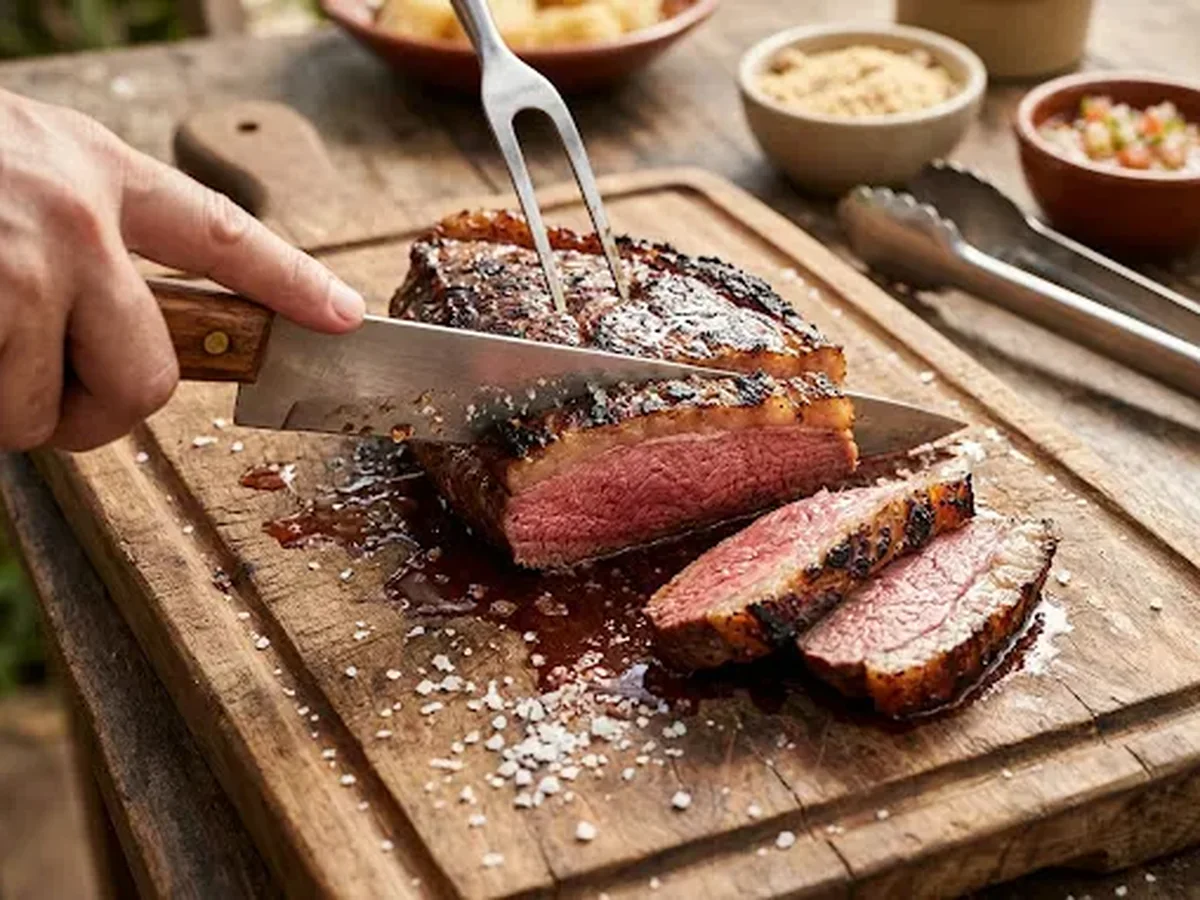
Proper preparation of an authentic Brazilian picanha goes beyond the grill. Because this cut, often sourced as the top sirloin cap or culotte, features a signature fat cap, how you slice the meat directly influences the texture of every bite. When preparing your steak, common guidance suggests cutting the raw meat into thick, chunky steaks with the grain before it hits the heat. Keeping the muscle fibers intact at this stage helps the meat maintain its structure while it sears over high heat, preventing it from shredding or falling apart.
Once your meat has reached the desired level of doneness, the resting phase is essential. Allowing the steak to rest for several minutes after cooking gives the internal juices time to redistribute throughout the muscle fibers. If you slice into the meat immediately, those juices will run out onto your cutting board, leaving the steak dry. A frequent mistake is rushing this step; patience here ensures the moisture is locked into every slice.
When you are ready to serve, the orientation of your knife becomes critical for tenderness. While the raw meat is typically cut with the grain, the finished, rested steak should be sliced against the grain. This technique effectively shortens the muscle fibers, resulting in a much more tender mouthfeel. For a standard preparation, such as the common approach that yields 4 to 6 servings from a 3 to 4 pound piece, take care to create uniform portions. Marking the meat into equal sections before you begin your final slices helps ensure that every guest receives a generous and consistent piece of this flavorful cut.
To round out your meal with a truly traditional experience, consider serving your slices alongside sides like farofa de ovo. This classic dish, typically made from a mixture of butter, onions, eggs, and toasted cassava flour, provides a textural contrast to the juicy, salt-crusted beef. Whether you are hosting a large gathering or a smaller dinner, focusing on these precise slicing and resting habits will elevate your results, turning a simple cut of meat into a centerpiece that captures the essence of a traditional churrasco.
Authentic Side Dish Pairings

To complete a traditional meal, serve your authentic brazilian picanha with sides that balance the richness of the beef. Picanha is commonly known as the culotte cut sourced from the top sirloin, and it typically features a thick layer of fat, known as the fat cap. This makes it essential to choose sides that offer texture and brightness to cleanse the palate.
The Essential Farofa de Ovo
Farofa de ovo is widely considered the most iconic accompaniment. This traditional side dish, made with butter, onions, eggs, and cassava flour, provides a crunchy, savory contrast to the tender, fatty meat. Making this at home is straightforward and requires only a few pantry staples.
- Start by melting a generous knob of butter in a skillet over medium heat.
- Sauté finely diced onions in the butter until they are soft, translucent, and fragrant.
- Whisk in a few eggs, scrambling them gently until they are just set and incorporated with the onions.
- Add a cup or two of cassava flour to the pan, stirring constantly to ensure it toasts evenly without burning.
- Continue cooking until the mixture turns a light golden brown and achieves a pleasant, crumbly consistency.
- Season with a pinch of salt to taste before serving warm alongside the sliced steak.
Balancing Flavors with Acidity
Beyond farofa, consider adding a bright, acidic side to cut through the richness of the beef. A classic Brazilian vinaigrette, consisting of diced tomatoes, onions, and bell peppers tossed in vinegar and oil, is typically recommended to complement the meat. These acidic notes highlight the flavor of the beef, ensuring each bite remains refreshing throughout your meal.
When planning your menu, keep in mind that a standard recipe, such as the one used by Goya Foods, typically yields 4 to 6 servings using 3 to 4 pounds of meat. This preparation generally takes 10 minutes with a cook time of 20 minutes. Pairing your steak with these traditional sides ensures a cohesive dining experience that mirrors the authentic churrasco style, whether you are preparing the cut on a grill or looking for a brazilian picanha recipe oven method.
Common Picanha Cooking Mistakes
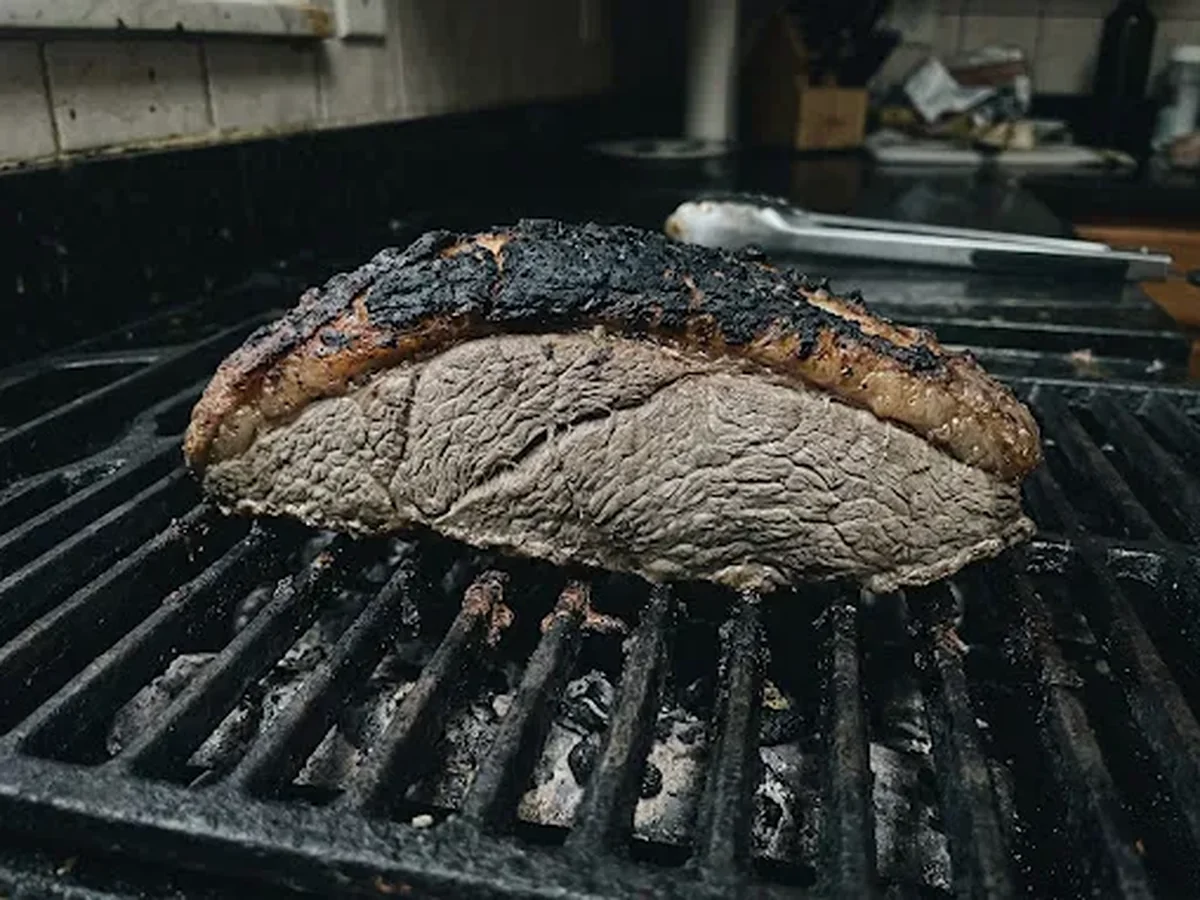
Preparing this culotte steak, often known as the top sirloin cap, requires attention to detail. Because the quality of the beef is central to the experience, small errors in handling the fat or managing heat can significantly alter the final texture and flavor. To ensure an authentic result, avoid these frequent pitfalls that often compromise the integrity of the meat.
The Importance of the Fat Cap
Removing the thick layer of fat from the top of the cut is a significant error. This fat cap is essential for keeping the meat moist and providing the traditional flavor profile during the cooking process. If you are sourcing your meat from an online butcher or a local shop, ensure the cap remains intact, as it is a defining characteristic of the cut.
Mastering Heat and Seasoning
Many home cooks struggle with the balance of seasoning and internal temperature. Using overly complex marinades or excessive seasonings instead of sticking to simple coarse salt, known as sal grosso, can mask the natural, beefy taste that defines this Brazilian staple. When learning how to season Brazilian picanha, keep it simple to let the quality of the beef shine.
Furthermore, cooking the steak well past the medium-rare or medium stage often results in a tough, dry texture. Monitoring your heat source ensures the exterior develops a nice crust while the center remains juicy and tender, which is the hallmark of a well-prepared steak. Using a digital meat thermometer can help you hit the perfect target temperature every time.
Slicing and Resting
Failing to allow the meat to rest after it leaves the heat prevents the juices from redistributing throughout the fibers. Slicing the steak in the wrong direction can also make the meat feel chewy. While traditional methods suggest cutting into chunky steaks with the grain before grilling, it is critical to pay close attention to the direction of the muscle fibers once the meat is cooked and ready to serve.
By respecting these steps and pairing your meal with traditional sides like farofa de ovo, you can elevate your home cooking to match the standards found in authentic dining settings.
FAQ
What cut of meat is authentic Brazilian picanha?
Picanha is commonly recognized as the culotte cut of meat sourced from the top sirloin. You may also find it labeled at butchers or markets as the sirloin cap or rump cover.
What is picanha called in the United States?
In the U.S., you will most often see this cut labeled as top sirloin cap or culotte steak. If you are struggling to find it, asking your local butcher for the sirloin cap with the fat cap intact is the most reliable way to source it.
Is there a specific way to season authentic Brazilian picanha?
Coarse salt, known as sal grosso, is the traditional seasoning used for this cut. It is common practice to apply the salt generously to the meat to create a flavorful crust while it cooks.
How long does it take to prepare and cook?
Preparation typically takes about 10 minutes, followed by a cook time of approximately 20 minutes depending on your heat source. A standard recipe using 3 to 4 pounds of meat generally yields 4 to 6 servings.
What side dishes go well with picanha?
Farofa de ovo is a traditional Brazilian side dish often served alongside this steak. It is made by sautéing butter, onions, and eggs with cassava flour to create a crunchy, savory texture that complements the rich meat.
Conclusion
Your success with this dish depends entirely on sourcing high-quality meat with a thick, intact fat cap and seasoning it simply with coarse salt. Since finding this cut at local markets can sometimes be a challenge, your next step is to locate a reputable local butcher or an online meat supplier to secure a fresh piece of sirloin cap. Once you have the right cut, follow these traditional methods to prepare your own authentic brazilian picanha right at home. With the meat seasoned and the grill ready, you are set to enjoy a classic, flavorful experience that highlights the quality of the beef.
You might also like: Savory Cloud Bread with Herbs and Garlic Recipe