
Easy Shaved Beef Recipes for Quick Weeknight Meals
Introduction
You can prepare efficient, flavorful meals in minutes by utilizing easy shaved beef recipes that highlight lean cuts of meat. These dishes offer a practical solution for busy home cooks who need quick dinner ideas with shaved steak that satisfy the whole family.
This guide covers essential techniques for how to cook shaved beef to ensure it stays tender and flavorful. We explore various preparation methods, including popular shaved beef stir fry recipes and creative shaved beef sandwich ideas. You will also find guidance on preparing meat for consistent slicing, safe handling practices, and tips for creating healthy shaved steak dinner recipes. Whether you are looking for weeknight inspiration or a better understanding of how to manage thin cuts, these practical strategies will streamline your time in the kitchen.
Versatile Beef for Efficient Weeknight Meals
Thinly sliced beef serves as an ideal base for meals that require minimal time in the kitchen. Because the meat is already divided into small pieces, it integrates seamlessly into high-heat cooking methods like stir-frying, which helps you get dinner on the table during a busy weeknight. Whether you are aiming for a classic sandwich or a fast-paced vegetable skillet, this ingredient offers the flexibility to adapt to various flavor profiles while staying within a 30-minute window.
The primary goal when working with these thin portions is to achieve deep flavor without overcooking the protein. Utilizing a hot cast iron skillet allows for the Maillard reaction to occur quickly, developing a savory crust on the beef while keeping the center tender. Focus on preparing your aromatics and sauces before the heat is turned on, as the cooking process itself moves very fast.
Proper handling is essential for both food safety and the final quality of your dish. Following standard kitchen practices ensures that your meal is prepared safely and efficiently:
- Keep raw beef chilled in the refrigerator until the exact moment you are ready to start cooking.
- Ensure your workspace remains sanitized, following general food safety protocols to avoid cross-contamination.
- Avoid overcrowding the pan, as this causes the meat to steam rather than sear.
- Common kitchen guidance suggests that slicing raw beef while it is slightly frozen makes it much easier to achieve thin, uniform strips if you are preparing the meat yourself.
By mastering the timing of your heat and maintaining a clean workspace, you can easily incorporate this ingredient into your rotation of quick dinner ideas with shaved steak. The combination of high heat and rapid preparation ensures that you can enjoy a satisfying, restaurant-style meal without spending an entire evening at the stove.
Best Beef Cuts for Recipes
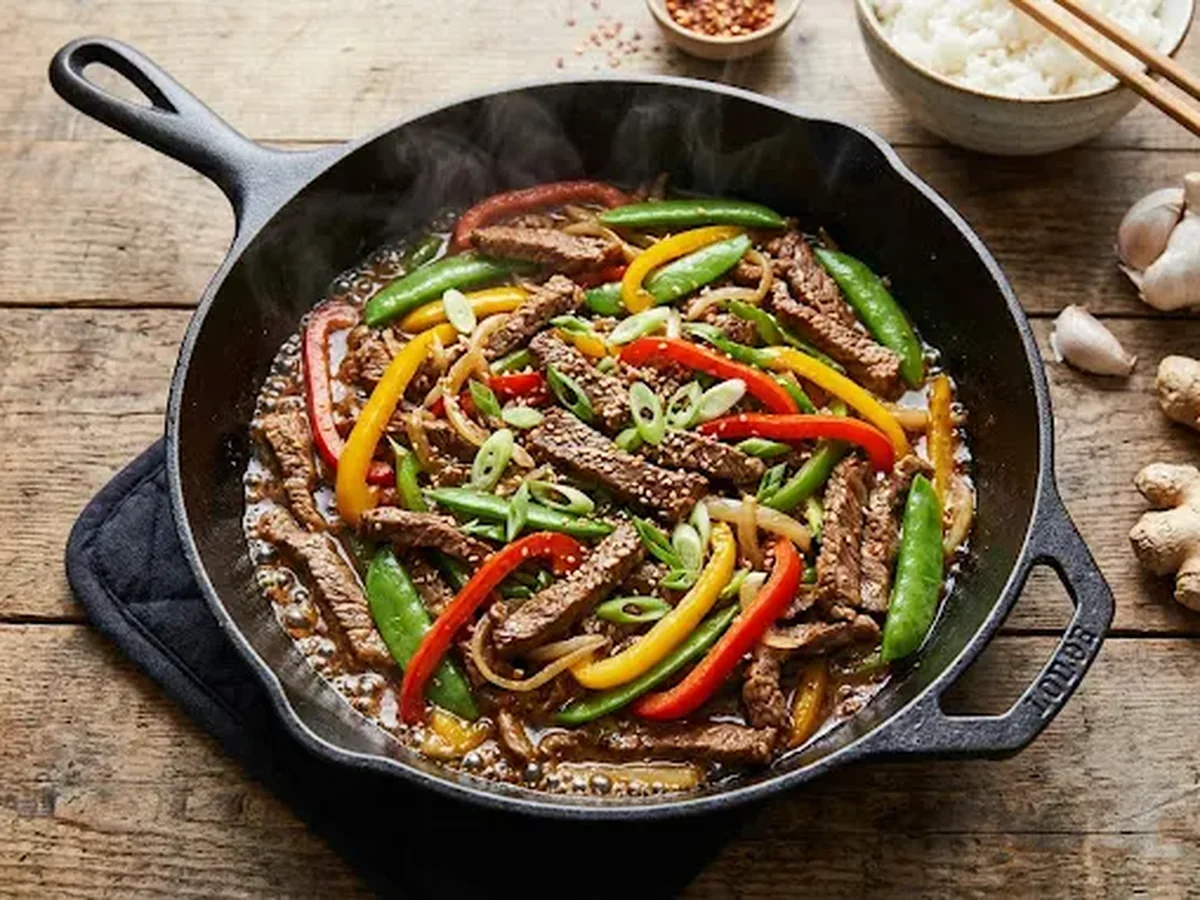
Selecting the right cut is the foundation of any successful shaved beef dish. Ribeye and sirloin are frequently recommended for their balance of tenderness and flavor. Ribeye offers significant intramuscular fat, which renders during the cooking process to keep the meat moist and flavorful. Sirloin is a leaner, often more economical alternative that provides a pleasant texture when sliced thin against the grain. If you are preparing dishes like shaved beef stir fry recipes, these cuts hold up well to high heat.
Understanding Meat Texture and Preparation
Because thin slices possess a large surface area relative to their volume, they require careful handling to avoid drying out. Well-marbled pieces provide a natural richness that elevates simple skillet meals. For those looking for quick dinner ideas with shaved steak, choosing the right cut often dictates the final quality of the meal. While chuck is an affordable option, it typically requires longer, slower cooking methods to break down connective tissue, making it less ideal for the rapid searing common in skillet cooking.
When preparing meat at home, common guidance suggests placing the beef in the freezer for 30 to 60 minutes before slicing. This firms the muscle fibers, allowing you to achieve consistent, thin results with a sharp knife. While some home cooks consider using a mandoline, it is generally not recommended for raw meat due to safety concerns and the high likelihood of the blade snagging on muscle fibers. Instead, rely on a very sharp chef knife and a stable cutting board to maintain control.
Safety and Quality Considerations
When handling shaved beef, always prioritize food safety. According to the USDA Food Safety and Inspection Service, raw meat should be kept at or below 40 degrees Fahrenheit until you are ready to cook. If you purchase pre-packaged shaved beef, check the packaging for freshness and store it in the coldest part of your refrigerator. If you are not using it within a day or two, it is best to freeze it immediately.
- Ribeye: Offers superior marbling and rich flavor, ideal for high-heat searing.
- Sirloin: A versatile, lean choice that remains tender when sliced thinly.
- Chuck: An economical cut that is better suited for slow-cooked applications rather than rapid stir-frying.
Regardless of the cut, the goal is to achieve a good sear to encourage the Maillard reaction, which adds depth to healthy shaved steak dinner recipes. Whether you are crafting shaved beef sandwich ideas or a quick weeknight stir fry, focus on high-quality ingredients and proper temperature management to ensure a satisfying, safe meal.
Time-Saving Prep Tips
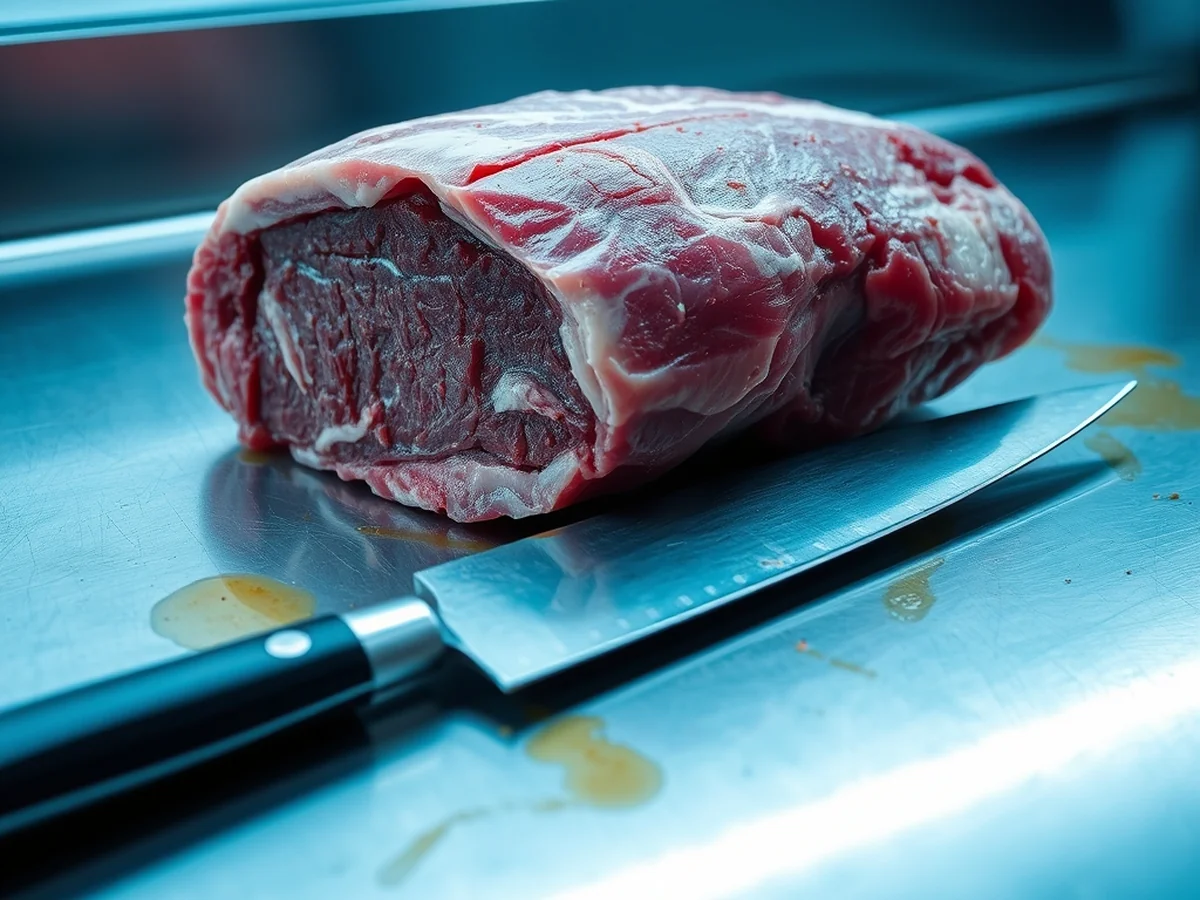
Achieving consistent, professional-style results at home starts with how you handle your protein. While many home cooks struggle with uneven strips, you can achieve thin, uniform slices by chilling your beef in the freezer for about 30 to 60 minutes before cutting. This firm texture prevents the meat from sliding under your blade, allowing for much greater precision than working with room-temperature protein. When you are looking for easy shaved beef recipes, starting with a solid foundation makes the entire cooking process more efficient.
Mastering the Slicing Technique
To prepare ingredients for your next meal using shaved steak, follow these fundamental steps to ensure safety and quality:
- Place your chosen cut, such as ribeye or sirloin, in the freezer until it feels firm to the touch but not frozen solid throughout.
- Use a sharp chef knife to maintain full control. A dull blade is more likely to slip and cause uneven cuts.
- Keep your fingers tucked in a claw position to protect them while guiding the blade along the meat.
- Always slice against the grain. This shortens the muscle fibers, which helps ensure a more tender bite in your final meal.
- Maintain a clean workstation to follow standard food safety practices, as recommended by the USDA Food Safety and Inspection Service, to prevent cross-contamination while handling raw ingredients.
Equipment Considerations
While some kitchen tools excel at creating uniform vegetable slices, a mandoline is generally not the recommended tool for meat. The dense structure and resistance of raw beef often lead to inconsistent results and increase the risk of accidents. Sticking to a high-quality chef knife gives you the tactile feedback needed to monitor the thickness of each slice as you work. This manual approach is the most reliable way to prepare ingredients for shaved beef stir fry recipes or various shaved beef sandwich ideas without needing specialized equipment.
Handling and Food Safety
When working with raw beef, prioritize safety by keeping your work area organized. If you are prepping in advance for healthy shaved steak dinner recipes, ensure the beef remains cold. Once sliced, keep the meat refrigerated and cook it within a short timeframe to maintain quality. If you use a meat thermometer, you can ensure your beef reaches the appropriate internal temperature during the cooking process to confirm it is safe to serve. By focusing on these manual prep techniques, you save time during the actual cooking phase, allowing you to focus on developing flavor through the Maillard reaction in your cast iron skillet.
Fast Cooking Methods

Thinly sliced beef is a favorite for preparing quick meals because it is easy to incorporate into various dishes. The key to getting a delicious result is to use a high-heat surface that encourages the Maillard reaction, the chemical process that creates a flavorful, browned crust. A cast-iron skillet is the most reliable tool for this because it holds and distributes heat evenly, preventing the meat from steaming in its own juices.
Why High Heat Matters
When the surface temperature reaches 400°F (about 204°C) or higher, the outer layer of the meat sears almost instantly. This rapid sear helps lock in juices and gives the steak a savory bite. If the pan is too cool, the beef will sweat instead of brown, producing a soggy texture that defeats the purpose of a quick meal. Because the slices are so thin, the heat must be consistent across the entire cooking area; any cold spots will cause uneven browning.
Practical Steps for Perfect Slices
- Pre-chill the meat. Place the beef in the freezer for about 20 to 30 minutes before slicing. This is common practice to help firm up the surface, making it easier to cut into uniform, thin strips.
- Choose the right cut. Ribeye or sirloin offer a good balance of tenderness and flavor for dishes such as stir-fries, sandwiches, or breakfast plates.
- Slice against the grain. Cutting across the muscle fibers shortens the strands, making the meat easier to chew and preventing toughness.
- Work in small batches. A crowded pan drops the temperature and turns the beef into a steaming slab instead of a seared slab.
- Use tongs. Constantly turn the slices so that every side gets a chance to brown. A single piece left too long on the surface will overcook and become rubbery.
- Monitor color, not time. Remove the meat when the raw pink fades. Residual heat will finish the cooking process once the beef is off the skillet.
Common Mistakes and How to Avoid Them
- Overcrowding the pan. This lowers the surface temperature and leads to steaming.
- Leaving the beef on the heat too long. Thin slices cook very quickly; a minute or two can make them tough.
- Using a low-heat pan. A skillet that does not reach 400°F will fail to sear properly.
- Ignoring food safety steps. Keep raw beef separate from other ingredients, wash hands and surfaces thoroughly, and use a meat thermometer to confirm an internal temperature of at least 145°F (63°C) before serving, according to guidelines from the USDA Food Safety and Inspection Service.
When you plan a quick dinner, start by prepping vegetables or sauces first. Having everything ready means the beef can be added at the last moment, keeping the overall cooking time to 30 minutes or less. This method works well for stir-fry recipes, sandwich fillings, or breakfast bowls, ensuring that the meat stays tender and flavorful while the rest of the dish finishes simultaneously.
Quick Meal Ideas
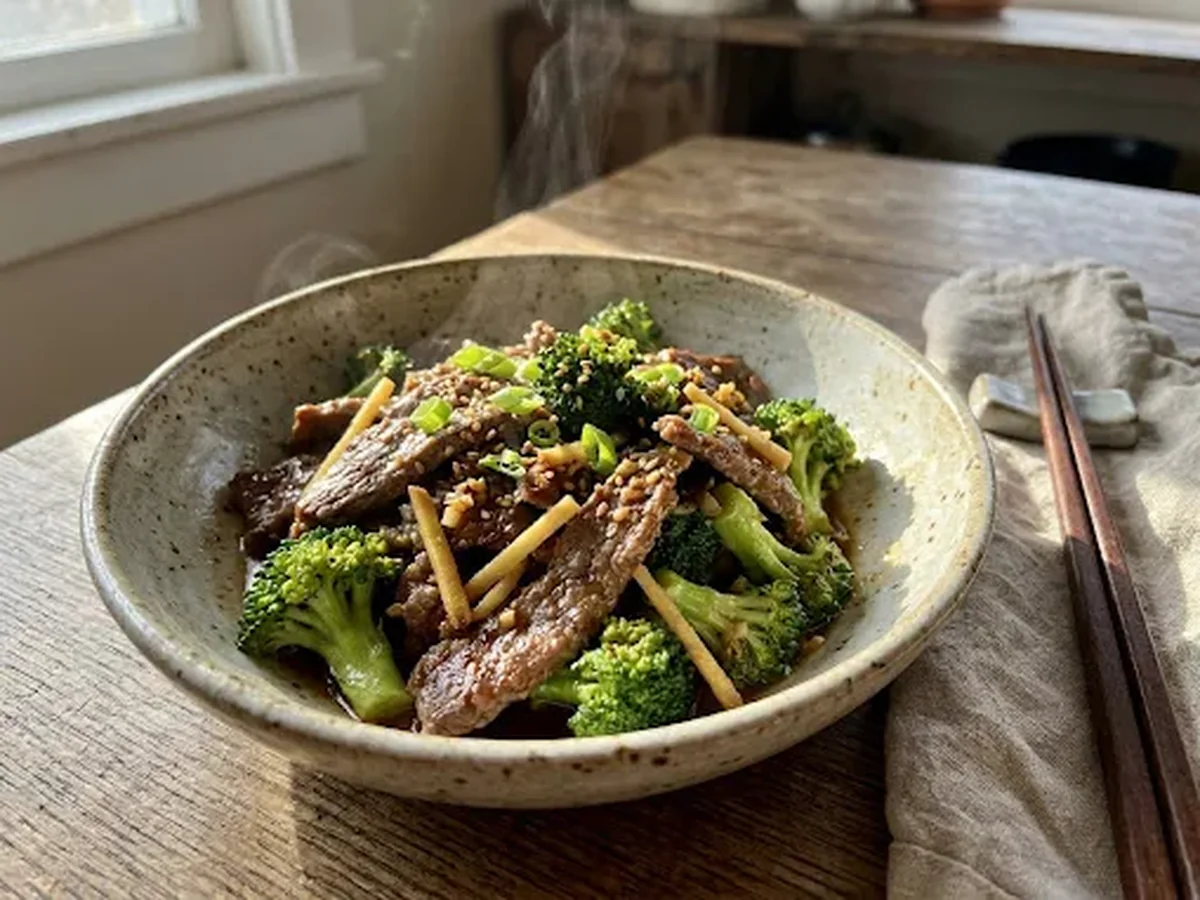
You can transform thinly sliced meat into a variety of flavorful meals by leveraging its ability to cook rapidly in a hot skillet. Stir-frying this thin protein provides an ideal foundation for these meals, allowing you to pair the meat with crisp vegetables and savory sauces for a complete dinner in minutes.
| Meal Type | Common Cooking Method | Best Pairings |
|---|---|---|
| Stir Fry | High Heat Sauté | Bell Peppers, Snap Peas, Soy Sauce |
| Sandwich | Griddle or Skillet | Caramelized Onions, Provolone, Hoagie Roll |
| International | Marinate and Sear | Sesame Oil, Ginger, Garlic, Rice |
The table above outlines typical applications for thin-cut beef, highlighting how simple adjustments to seasoning and pairing change the final dish.
Versatile Applications
Beyond stir fries, using thinly sliced beef for hot sandwiches offers a satisfying way to use this ingredient for lunch or dinner. You might try classic cheesesteak variations by sautéing the beef with sliced onions and peppers, then topping the mixture with melted cheese on a toasted roll. This approach is highly adaptable, letting you experiment with different cheeses like cheddar or Swiss depending on your preference.
International flavors also work exceptionally well with thinly sliced meat. A common practice in many kitchens is preparing bulgogi-style dishes, where the beef is marinated in a mixture of soy sauce, sugar, sesame oil, and aromatics before being seared. As common guidance suggests, this style is often referred to as fire meat. The thin texture of the beef allows it to absorb these bold marinades quickly, making it a perfect candidate for weeknight cooking.
Preparation Tips
To ensure the best results when working with this ingredient, consider the temperature of the meat before slicing it yourself. It is common guidance to slice beef when it is slightly frozen, as this makes it much easier to achieve thin, uniform pieces. Always prioritize food safety by keeping your work area clean and ensuring the beef reaches a safe internal temperature during the cooking process. Using a meat thermometer helps you monitor the progress of your meal without overcooking the delicate, thin slices.
Storing Shaved Beef
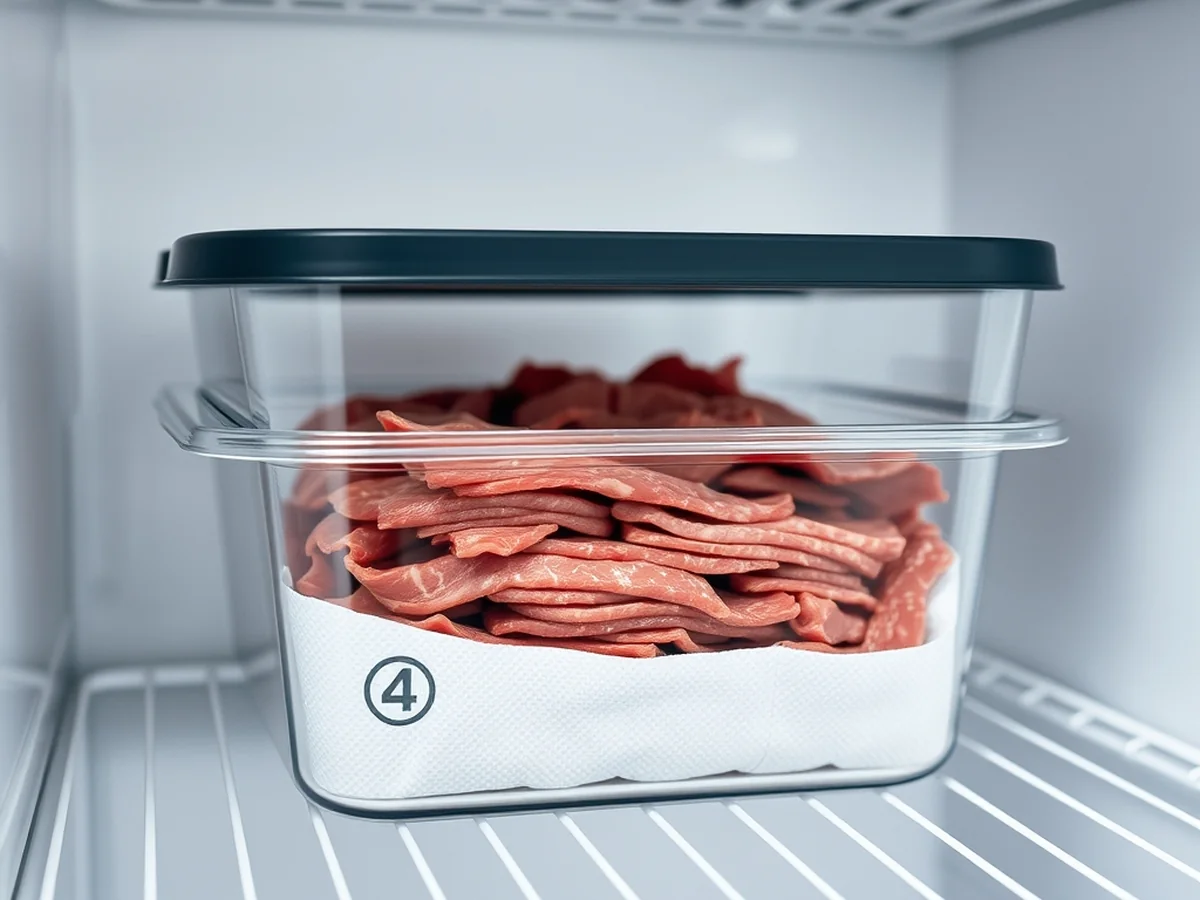
When you’re ready to keep your shaved beef safe and tasty, the first rule is to keep it in the coldest part of the refrigerator, usually the back of the bottom shelf. Raw shaved beef is best used within one to two days; after that the quality and safety begin to decline. If you can’t cook it right away, place it in a freezer bag or airtight container and it will stay at its best for up to three months. Freezing preserves the texture and flavor, and when you’re ready, simply thaw in the refrigerator overnight.
Cross‑contamination is the biggest danger when handling raw beef. Keep the sliced meat on a dedicated cutting board that you use only for raw meat, and wash that board with hot, soapy water immediately after use. Never let raw beef sit on countertops or in bowls that will later hold salad, fruit, or cooked foods. If you must use the same board, rinse it first, then scrub with hot soapy water and rinse again. Kitchen utensils that touch raw meat should also be washed right away.
When you’re ready to cook, a meat thermometer is your best friend. Thin slices cook quickly, but a thermometer guarantees that the beef reaches a safe internal temperature of 145°F (63°C) before you plate it. This step protects against food‑borne illness while keeping the meat tender. Because the surface area is large, thin slices can overcook fast; a quick check after the first minute of searing lets you pull them off the heat at just the right moment.
Leftovers are fine, but they need proper handling too. Store cooked shaved beef in an airtight container in the refrigerator and use it within three to four days. When reheating, bring the meat to at least 165°F (74°C) to ensure safety. Reheating in a skillet over medium heat with a splash of water or broth helps keep the slices moist and prevents them from drying out.
Common mistakes people make with storage include:
- Leaving raw beef out at room temperature for too long before refrigerating.
- Storing raw and cooked meats in the same container, which can spread bacteria.
- Using a plastic bag that isn’t sealed; air exposure can cause freezer burn or spoilage.
- Reheating multiple times; each cycle can degrade texture and flavor.
By following these simple steps, keep it cold, prevent cross‑contamination, use a thermometer, and refrigerate leftovers properly, you’ll enjoy fresh, safe, and flavorful shaved beef every time you cook. For more ideas on how to turn shaved beef into quick, family‑friendly dinners, check out our blog or explore recipes like the easy challah bread that pair perfectly with a quick beef stir‑fry.
Avoiding Tough Shaved Beef
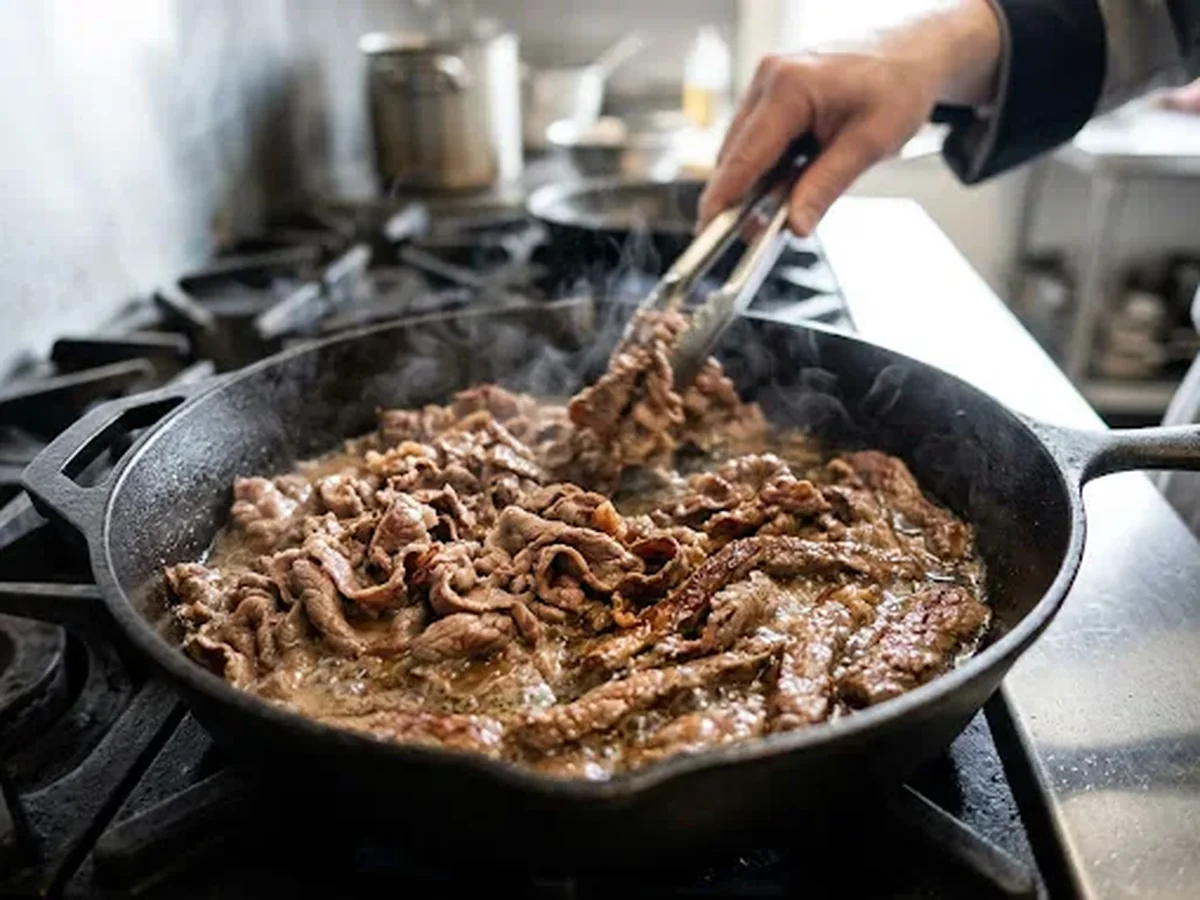
When working with thin cuts, the primary challenge is achieving a sear without drying the meat out. Because shaved steak has a high surface area, it can transition from perfectly cooked to tough in a matter of seconds. Understanding how to cook shaved beef effectively requires managing moisture and heat flow to ensure your meal remains tender.
A common mistake is overcrowding the pan. When you pile too much meat into a hot skillet, the beef releases its natural juices faster than the heat can evaporate them. Instead of developing a flavorful crust through the Maillard reaction, the beef essentially boils in its own liquid. To prevent this, cook in small batches, ensuring each piece has direct contact with the surface of your cast iron skillet. This simple adjustment ensures the meat sears quickly rather than steaming, preserving its texture.
Consistency is another factor that dictates the final result. If your slices vary significantly in thickness, the thinner pieces will overcook and become chewy before the thicker portions are fully browned. If you are preparing your own slices, it is common practice to chill the beef in the freezer for about 20 to 30 minutes before cutting. This firming process makes it much easier to achieve uniform slices, which leads to even cooking across the entire batch.
Preparation also plays a vital role in maintaining tenderness. Since the cooking process for thin beef happens very rapidly, you should have all your sauces, seasonings, and vegetables prepped and within arm’s reach before the stove is turned on. Interrupting the heat flow to hunt for an ingredient often leads to overcooking. Additionally, patting the beef dry with paper towels before it touches the heat is a crucial step. Excess surface moisture is the enemy of a crisp crust, and removing it allows the heat to act on the protein immediately.
To ensure your various easy shaved beef recipes turn out perfectly, keep these steps in mind:
- Work in smaller batches to avoid crowding the pan, which prevents the meat from steaming.
- Use a sharp knife to achieve uniform thickness, which ensures all pieces finish at the same time.
- Pat the meat dry before seasoning to help facilitate a better sear.
- Keep your workspace organized and all ingredients measured, as thin beef requires your full attention.
- Prioritize food safety by keeping raw meat chilled until you are ready to cook, following general guidelines for temperature management.
FAQ
What are some quick dinner ideas for shaved beef?
You can use thin beef slices for fast meals like steak tacos, Philly cheesesteak sandwiches, or loaded quesadillas. These options work well in a hot cast iron skillet because they sear rapidly and absorb seasonings effectively.
How do I make thin slices of beef at home?
A common culinary practice for achieving thin, uniform strips is to place your beef in the freezer for about 30 to 60 minutes before slicing. This firms up the meat, allowing you to use a sharp chef’s knife to cut against the grain with much greater control.
Can shaved beef be used in stir-fry recipes?
Shaved beef is an ideal choice for stir-fry recipes because its high surface area encourages a quick Maillard reaction over high heat. Always ensure your pan is fully preheated before adding the meat to keep it tender rather than steamed.
What are some popular international dishes that use shaved beef?
Many cultures feature recipes using thinly sliced meat, such as the Korean dish bulgogi, which is often called fire meat. Other global variations include Japanese gyudon beef bowls and Mediterranean-style wraps, which highlight the versatility of these easy shaved beef recipes.
How do I handle shaved beef safely during prep?
Follow standard food safety protocols by keeping raw beef refrigerated until you are ready to cook and avoiding cross-contamination with other ingredients. The USDA Food Safety and Inspection Service recommends using a meat thermometer to ensure your beef reaches a safe internal temperature, even when cooking thin slices quickly.
How can I prevent shaved beef from becoming tough?
The best way to maintain tenderness is to avoid crowding the pan, which allows the beef to sear instead of boiling in its own juices. Cooking in smaller batches over medium-high heat is a reliable method to ensure the best texture for your nutritious beef meals.
Conclusion
The best way to refine your weeknight routine is to select one high-heat method that suits your current kitchen equipment. Whether you prefer a classic cast iron skillet for searing or a quick stir fry for midweek efficiency, these versatile ingredients simplify dinner prep significantly. Now that you have a better understanding of how to handle and prepare these thin cuts, gather your favorite fresh vegetables and seasonings to get started. Exploring these easy shaved beef recipes will help you master delicious, comforting meals that fit perfectly into a busy schedule.
You might also like: Savory Cloud Bread with Herbs and Garlic Recipe