
Juicy Air Fryer Chicken Legs (Crispy Skin Recipe)
Introduction
You can prepare crispy air fryer chicken legs by using high convection heat to achieve a golden, textured skin. This method provides a reliable way to cook drumsticks thoroughly while maintaining a juicy interior.
This guide covers the entire preparation process, including seasoning tips and techniques for managing air circulation to ensure even browning. You will learn the recommended cooking times and temperatures required to achieve the best results with your specific appliance. The following sections provide clear instructions on seasoning, avoiding common cooking mistakes, and using an instant-read meat thermometer to ensure food safety. Whether you are looking for simple weeknight meals or want to master the science of the Maillard reaction in your kitchen, these steps will help you produce consistent, high-quality poultry every time.
Best Air Fryer Chicken Legs

The most effective way to prepare poultry with a golden, crackling exterior is by utilizing the intense, concentrated airflow found in air fryers. This method relies on convection heat to circulate hot air rapidly around the food, which draws moisture away from the surface much faster than a traditional oven.
When you cook using convection, the constant movement of air ensures the heat reaches every part of the meat simultaneously. This rapid transfer of energy is essential for creating a uniform texture, preventing the skin from becoming soggy while the meat underneath remains succulent. Because the heat is so efficient, you achieve a professional-level finish without needing to submerge the poultry in heavy amounts of oil.
Achieving that signature crunch is fundamentally a science of chemistry known as the Maillard reaction. This process occurs when the amino acids and reducing sugars in the skin are exposed to high, dry heat, triggering a complex series of chemical transformations. These reactions are responsible for developing the deep, savory flavors and the browned, crispy texture that defines high-quality poultry dishes.
To maximize this reaction, your goal is to ensure the skin remains dry and exposed to the moving air throughout the cooking process. When the surface is properly prepared and the heat is consistent, the Maillard reaction can develop fully, resulting in a significantly enhanced taste and texture profile. This transformation is what separates an average meal from one that features perfectly textured, restaurant-style results at home.
Several factors help ensure these results remain consistent:
- Proper spacing within the cooking chamber allows the hot air to circulate freely around each piece.
- Removing excess surface moisture before seasoning encourages faster browning.
- Choosing an oil with a high smoke point prevents off-flavors during the high-heat cycle.
- Monitoring the progress ensures the skin reaches the desired level of color without burning.
By focusing on these principles, you can consistently produce high-quality, flavorful poultry. The combination of efficient convection cycles and the natural browning produced by the Maillard reaction provides the best possible outcome for home-cooked meals.
Preparing Chicken for Air Frying
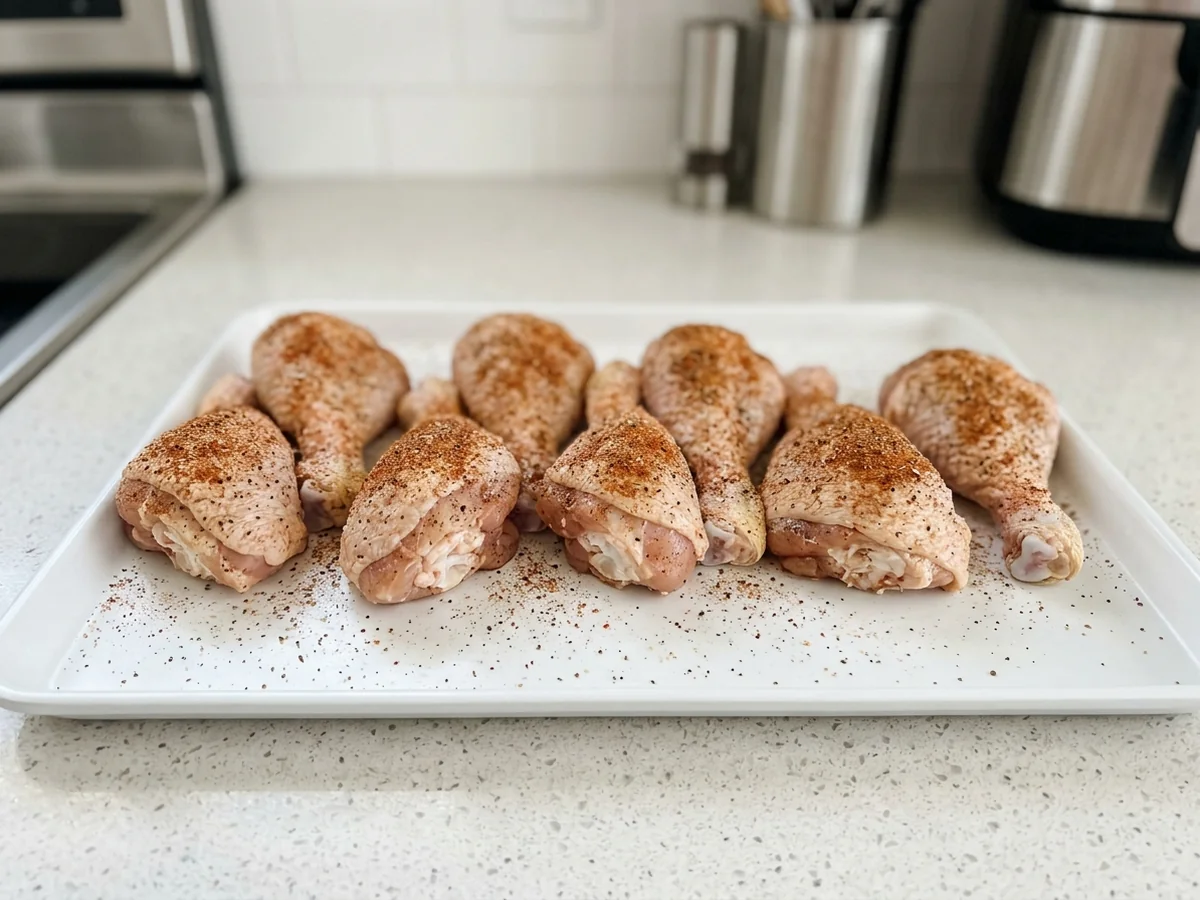
Achieving consistent results when making air fryer chicken legs requires attention to how moisture and heat interact within the cooking chamber. Because air fryers function as compact convection ovens, they rely on rapid air circulation to brown the surface of the meat. If the surface is damp, that energy is spent evaporating water rather than browning the skin, which hinders the Maillard reaction. Minimizing surface moisture is a foundational step for those looking to master easy air fryer chicken recipes.
Managing Moisture and Heat Conductivity
To prepare your poultry effectively, begin by patting the skin completely dry with paper towels. Removing excess water is necessary to help the skin achieve a crispy finish. Once dry, applying a thin, even layer of oil helps conduct heat to the surface of the chicken legs.
Choosing the right fat is equally important. Oils with a high smoke point, such as avocado or refined light olive oil, remain stable under intense heat, ensuring that your cooking environment does not become smoky before the skin has turned golden brown. Avoid using butter or extra virgin olive oil for high-temperature air frying, as these fats may break down and develop an acrid flavor.
Optimizing Airflow for Uniform Browning
The physical arrangement of the chicken in the basket significantly influences the final texture. When preparing crispy air fryer chicken drumsticks, avoid overcrowding the basket. Proper airflow is essential for the hot air to reach every side of the meat. If pieces are packed too tightly, the trapped steam will soften the skin, preventing the desired crunch. Arranging the legs in a single layer with enough space for air to circulate between them ensures even heat distribution.
Seasoning and Preparation Tips
When applying dry rubs, it is often more effective to mix the spices with your chosen oil before coating the chicken. This creates a paste that adheres better to the skin during the high-speed air circulation. If you prefer to apply seasonings separately, do so after oiling the skin to prevent the spices from blowing off into the heating element.
| Preparation Step | Purpose |
|---|---|
| Patting skin dry | Reduces moisture to promote crisping |
| Applying thin oil coat | Conducts heat for uniform browning |
| Spacing pieces | Allows for critical air circulation |
Cooking times and temperatures can vary depending on the specific wattage and model of your appliance. While general guidelines suggest a range of 380 to 400 degrees Fahrenheit, monitoring the process is key. Always use an instant-read meat thermometer to verify the internal temperature for chicken legs, as this is the only reliable way to ensure the poultry is cooked thoroughly and safely.
Temperature and Timing Guidelines

Achieving consistent results when preparing air fryer chicken legs requires balancing heat intensity with cooking duration. Most home cooks find that an air fryer chicken legs temperature between 380 and 400 degrees Fahrenheit provides the ideal environment for the Maillard reaction, which is the chemical process responsible for browning and flavor development on the skin. While high heat is necessary for texture, settings above 400 degrees Fahrenheit may cause some oils to exceed their smoke point, potentially affecting the flavor of the dish.
| Setting | Typical Range |
|---|---|
| Cooking Temperature | 380 to 400 degrees Fahrenheit |
| Estimated Time | 20 to 25 minutes |
| Internal Target | 165 degrees Fahrenheit |
When determining how long to cook chicken legs in an air fryer, consider that the 20 to 25 minute range serves as a starting point. Several technical factors influence this duration:
- Appliance Wattage: Higher-wattage models circulate convection heat more rapidly. If your unit is particularly powerful, check the chicken a few minutes earlier to prevent overcooking.
- Basket Density: Air circulation is the primary mechanism of an air fryer. If the basket is overcrowded, the restricted airflow prevents moisture from evaporating, which often leads to steamed, soft skin rather than a crispy finish.
- Chicken Size: Larger drumsticks naturally require more time for the heat to penetrate to the bone compared to smaller pieces.
To ensure food safety, rely on an instant-read meat thermometer rather than visual cues or timing alone. According to the USDA Food Safety and Inspection Service, the recommended internal temperature for chicken legs is 165 degrees Fahrenheit. Measuring the thickest part of the meat, while avoiding contact with the bone, provides the most accurate reading.
A common mistake is failing to account for the carryover heat that occurs after the timer stops. If you find the chicken is slightly under the target temperature, allow it to rest for five minutes. This resting period helps internal juices redistribute and can raise the final internal temperature by a few degrees. If you are preparing easy air fryer chicken recipes in batches, remember that the air fryer will be preheated during the second round, which may reduce the necessary cooking time for subsequent portions.
Secrets for Crispy Skin
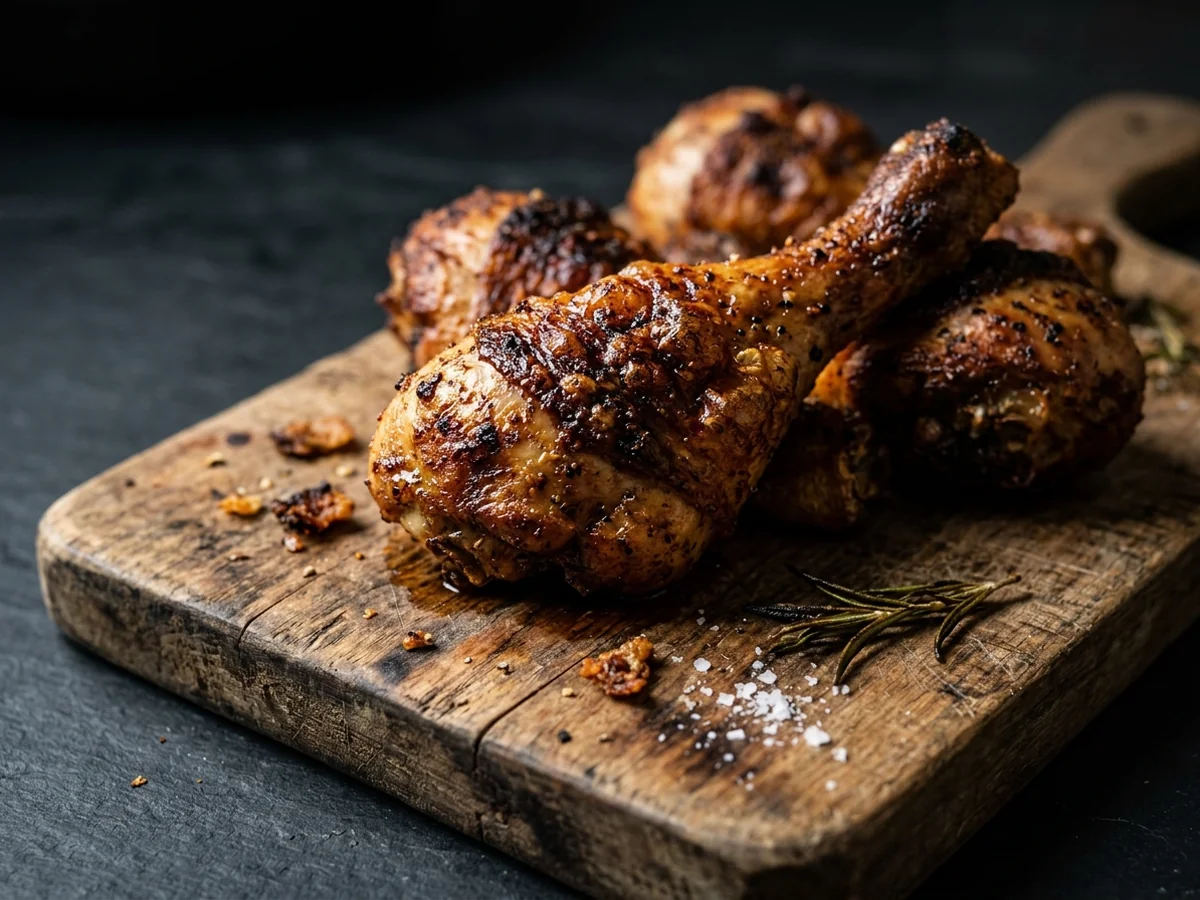
Achieving perfectly browned skin on air fryer chicken legs relies on managing surface moisture and maximizing convection heat. When the environment inside the basket is dry and hot, you trigger the Maillard reaction. This chemical process between amino acids and reducing sugars creates the distinct flavor and deep color associated with well-cooked poultry. In an air fryer, the fan forces hot air to strip away surface moisture, which acts as the primary barrier to crispiness. If the surface remains damp, the heat will steam the skin rather than browning it.
The Role of Airflow and Space
Consistent airflow is the engine behind this process. If air cannot reach every part of the skin, the surface remains damp and pale. Overcrowding the basket is a common cause for soggy results because it traps steam and blocks the path of the circulating air. To ensure uniform browning, keep the pieces in a single layer with enough room for air to pass between them. This allows the convection heat to circulate freely around each leg, preventing cool spots that lead to unevenly cooked results.
Optimizing Surface Conditions
Preparing the skin correctly is just as important as the mechanics of the appliance. Removing excess surface moisture with paper towels is a standard technique to jumpstart the crisping process. Furthermore, applying a light coating of oil can assist in heat conduction. When choosing an oil, consider its smoke point. Oils with higher smoke points are more stable at the high temperatures often used for air frying, which helps prevent unwanted acrid flavors.
| Action | Purpose |
|---|---|
| Pat dry | Removes surface moisture to minimize steaming. |
| Single layer | Ensures hot air hits every surface. |
| Light oiling | Conducts heat evenly for better browning. |
Monitoring and Safety
While texture is a priority, safety remains the primary goal. You should use an instant-read meat thermometer to verify the doneness of your chicken. The USDA Food Safety and Inspection Service indicates that poultry is safe to consume once it reaches a safe minimum internal temperature. Because air fryer wattage and basket designs vary between models, cooking times may differ. It is helpful to test for doneness rather than relying solely on a timer. Finally, allowing the chicken to rest for a few minutes after cooking lets the juices redistribute throughout the meat, which helps maintain quality before serving your crispy air fryer chicken drumsticks.
Checking Chicken Doneness

Confirming that your air fryer chicken legs are fully cooked is the most important step in the process. Relying on visual cues such as skin color can be deceptive, as the outside may appear brown while the interior remains undercooked. The USDA Food Safety and Inspection Service specifies that using a food thermometer is the only reliable way to ensure meat has reached a safe temperature throughout. Because air fryers use intense convection heat, the surface often browns rapidly, making an instant-read meat thermometer an essential tool for every home cook.
Using a Thermometer Correctly
To obtain an accurate reading for your air fryer chicken legs, insert the probe into the thickest part of the drumstick. It is vital to avoid touching the bone, as the metal can conduct heat and lead to a false high reading. Once the probe is positioned, wait a few seconds for the display to stabilize. If you are cooking a large batch, check several pieces, as heat distribution can vary depending on the airflow within your specific air fryer model.
Understanding Pink Meat
Many cooks worry when they see pink meat near the bone, but this does not always indicate that the poultry is undercooked. In younger birds, the bone marrow is not fully calcified, allowing pigments to seep into the surrounding tissue during the cooking process. This creates a pinkish color that remains even after the meat reaches a safe temperature. If your thermometer confirms the internal temperature for chicken legs is appropriate, the presence of this color is usually a natural occurrence rather than a food safety risk.
Best Practices for Consistent Results
Maintaining the accuracy of your equipment and following proper technique will help you achieve crispy air fryer chicken drumsticks every time. Keep these factors in mind to improve your results:
- Calibrate your thermometer periodically to ensure it provides reliable data.
- Clean the probe with hot, soapy water after every use to prevent cross-contamination.
- Ensure the probe does not touch fat or gristle, as these can produce inaccurate readings.
- Consider the size of the drumsticks, as larger pieces require more time to reach the required safety threshold compared to smaller ones.
By prioritizing objective data over visual estimation, you remove the guesswork from your cooking. This approach ensures your meal is safe to eat while helping you achieve the ideal texture. Once you are confident in your temperature readings, you can better manage variables like how long to cook chicken legs in an air fryer, as you will no longer feel the need to overcook the meat simply to be safe. Consistent monitoring is the best way to master easy air fryer chicken recipes while maintaining high standards for food quality and safety.
Fixing Dry Chicken Legs

Dry, tough texture in air fryer chicken legs often results from excessive moisture loss during the cooking process. To achieve a balance between juicy meat and crisp skin, focus on managing your appliance environment and monitoring the meat throughout the cycle. Using an instant-read meat thermometer is the most reliable way to ensure your food reaches a safe minimum internal temperature without the risk of overcooking.
Managing Heat and Airflow
The efficiency of air fryers relies on the continuous movement of hot air around the food. If your pieces are packed too tightly, the air cannot reach every surface, leading to uneven cooking. This lack of circulation often forces home cooks to leave the chicken in longer to compensate for pale spots, which ultimately dries out the meat. To prevent this, ensure there is adequate space between each drumstick. If you are using a square basket, remember that the corners can block airflow. Rotating the pieces halfway through the cooking time helps distribute heat more evenly and promotes the Maillard reaction, which is the chemical process responsible for browning and flavor development on the skin.
Oil Selection and Smoke Control
Choosing the right fat is essential when cooking at high temperatures. Many oils have specific smoke points that, if exceeded, will cause the oil to break down, create acrid smoke, and potentially impact the taste of your meal. For recipes requiring high heat, prioritize oils such as avocado or light olive oil, which maintain their integrity better than butter or extra virgin olive oil. If you notice excessive smoke during your cook, it is often due to fat dripping into the base of the unit and burning. Placing a small amount of water or a heat-safe liner in the bottom of the basket can help manage these flare-ups.
Troubleshooting Common Issues
If you encounter specific problems during your cooking process, use this table to adjust your technique for better results.
| Problem | Potential Solution |
|---|---|
| Skin is burning but meat is raw | Lower the temperature and increase the total cooking time. |
| Meat is dry or tough | Remove the chicken from the heat as soon as it reaches the target temperature. |
| Uneven browning | Rearrange the pieces halfway through the cycle to ensure uniform exposure to air. |
| Pink meat near the bone | Continue cooking for an additional two to three minutes and recheck the temperature. |
Always prioritize internal temperature readings over visual cues or estimated times. Because air fryer wattage varies significantly between models, your appliance may cook faster or slower than others. Checking your chicken a few minutes early can prevent the meat from passing its ideal state of doneness.
Storage and Reheating
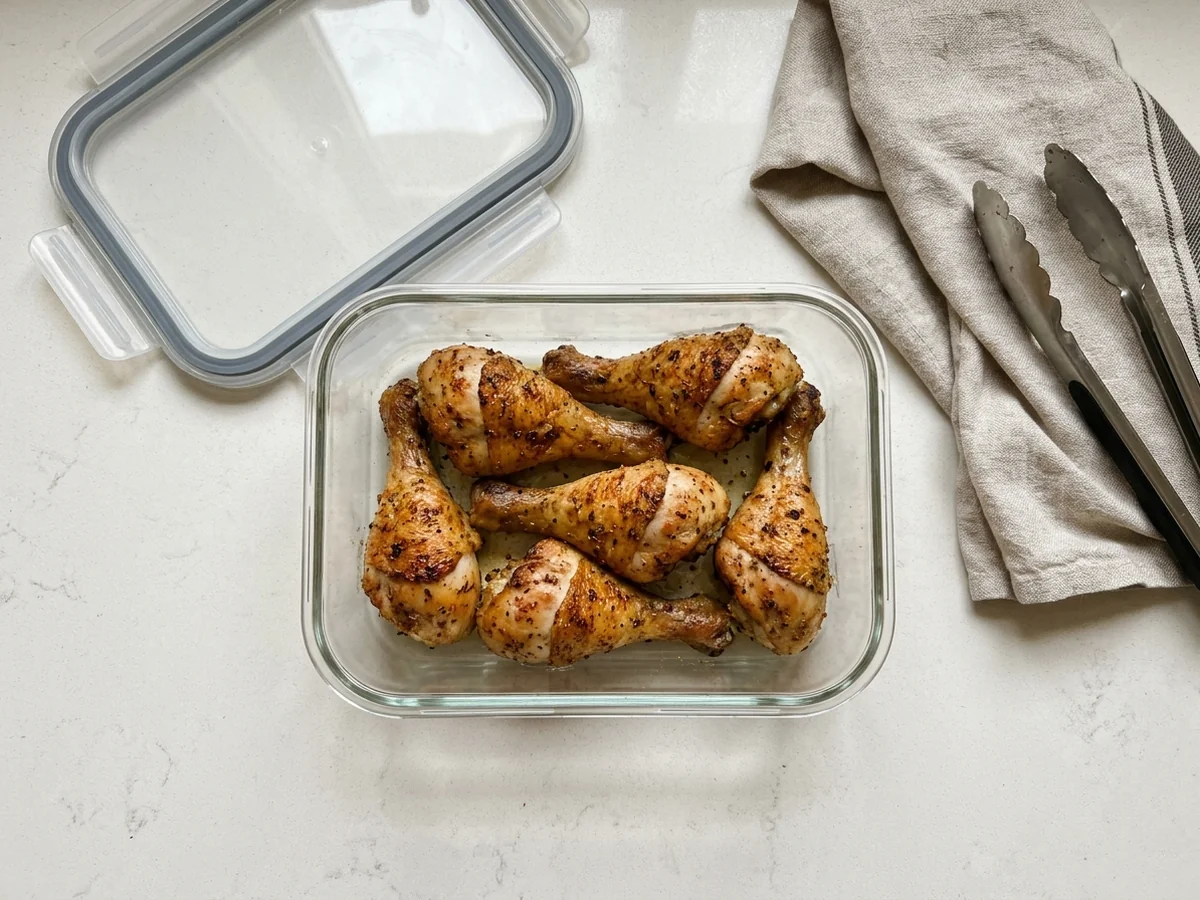
Proper storage is the first step in ensuring your leftover air fryer chicken legs remain safe to eat. Once the poultry has cooled to room temperature, move it into a shallow, airtight container. This shallow design allows for faster cooling throughout the meat, which helps maintain quality. Storing the container in a refrigerator kept at 40 degrees Fahrenheit or below is the standard practice for keeping leftovers safe. According to food safety guidelines, you should consume or discard refrigerated leftovers within three to four days. For longer storage, the freezer is a more reliable option, provided you use freezer-safe bags or containers to prevent quality loss.
Best Methods for Reheating
Reheating in an air fryer is the most effective way to restore the texture of your chicken. Because air fryers use convection heat to circulate air, they are better suited for reviving skin than a microwave, which can leave the surface rubbery or uneven. When reheating, preheat your air fryer to a moderate temperature to ensure the meat warms through to the center without burning the skin. Arranging the pieces in a single layer provides the necessary space for air circulation, which is critical for removing excess moisture gathered during storage. Heat the pieces for several minutes, flipping them halfway through, until the center is steaming hot.
Common Reheating Mistakes
One common error is overcrowding the basket. When pieces are stacked or packed too tightly, the air fryer cannot circulate heat effectively, which traps moisture and prevents the skin from regaining its crisp texture. If you are reheating a large batch, it is better to work in two smaller rounds than to cram everything into the basket at once. While the microwave is a faster alternative, it is generally discouraged because it does not provide the dry, high-heat environment needed to restore crispiness. If you choose to use a microwave for speed, follow it with a quick session in the air fryer to dry out the exterior and improve the final texture.
Always prioritize food safety when handling leftovers. Before serving, verify that the meat has reached a consistent, safe temperature throughout. Using an instant-read meat thermometer is the most reliable way to confirm the internal temperature. When reheating, ensure the process is efficient to keep the total time the food spends in the danger zone as short as possible. By following these steps, you can enjoy your leftover chicken with a quality and safety level that closely mirrors the original cook.
FAQ
How long do you cook chicken legs in an air fryer?
Most chicken legs require between 20 and 25 minutes of cooking time when using an air fryer. Keep in mind that your specific appliance wattage and the size of the drumsticks can influence how quickly they finish cooking.
What is the best temperature for air frying chicken?
Cooking at temperatures between 380 and 400 degrees Fahrenheit is standard for achieving a good texture. Higher heat helps facilitate the Maillard reaction, which is the chemical process responsible for browning and developing flavor on the skin.
How do I get crispy skin on air fryer chicken?
Removing excess surface moisture from the chicken skin before seasoning is a helpful step for crispiness. Additionally, using a light coating of oil and ensuring there is enough space between pieces for air to circulate freely will improve the final result.
Is it safe to eat chicken if it is pink near the bone?
Color is not a reliable indicator of doneness, as even fully cooked poultry can sometimes show a pink hue near the bone. To ensure the meat has reached a safe level of doneness, use an instant-read meat thermometer to verify the internal temperature according to guidelines from the USDA Food Safety and Inspection Service.
Can I reheat chicken legs in an air fryer?
Reheating in an air fryer is an effective way to restore a crispy texture compared to using a microwave. Set the device to a moderate temperature and heat the chicken for several minutes until it is warmed through to your liking.
Conclusion
The final step in preparing the perfect meal is confirming the meat has reached a safe internal temperature using an instant-read thermometer. Once you verify the chicken is thoroughly cooked, let the pieces rest for a few minutes to allow the juices to settle before serving. This simple process ensures your crispy chicken drumsticks are both safe to eat and exceptionally flavorful. Grab your favorite dipping sauce and enjoy these pieces immediately for the best texture.
You might also like: Traditional Brazilian Picanha Steak Techniques