How to Cook Shaved Beef for Sandwiches and Stir-Fry
Introduction
You can effectively learn how to cook shaved beef by using high heat for a very short duration to achieve a quick sear. Understanding how to cook shaved beef requires focusing on its thin profile, which allows it to transition from raw to fully cooked in just a few minutes.
This article covers the best techniques for preparing this versatile meat for sandwiches and stir-fry dishes. You will learn about managing surface area to promote browning, essential food safety practices for handling thin cuts, and methods to maintain tenderness. Whether you are looking to master a classic Philly cheesesteak or quick weekday stir-fry recipes, these guidelines ensure your meal is flavorful and cooked safely. We provide practical advice on pan selection, temperature control, and the timing needed to avoid overcooking this delicate protein.
Understanding Shaved Beef and Thinly Sliced Steak
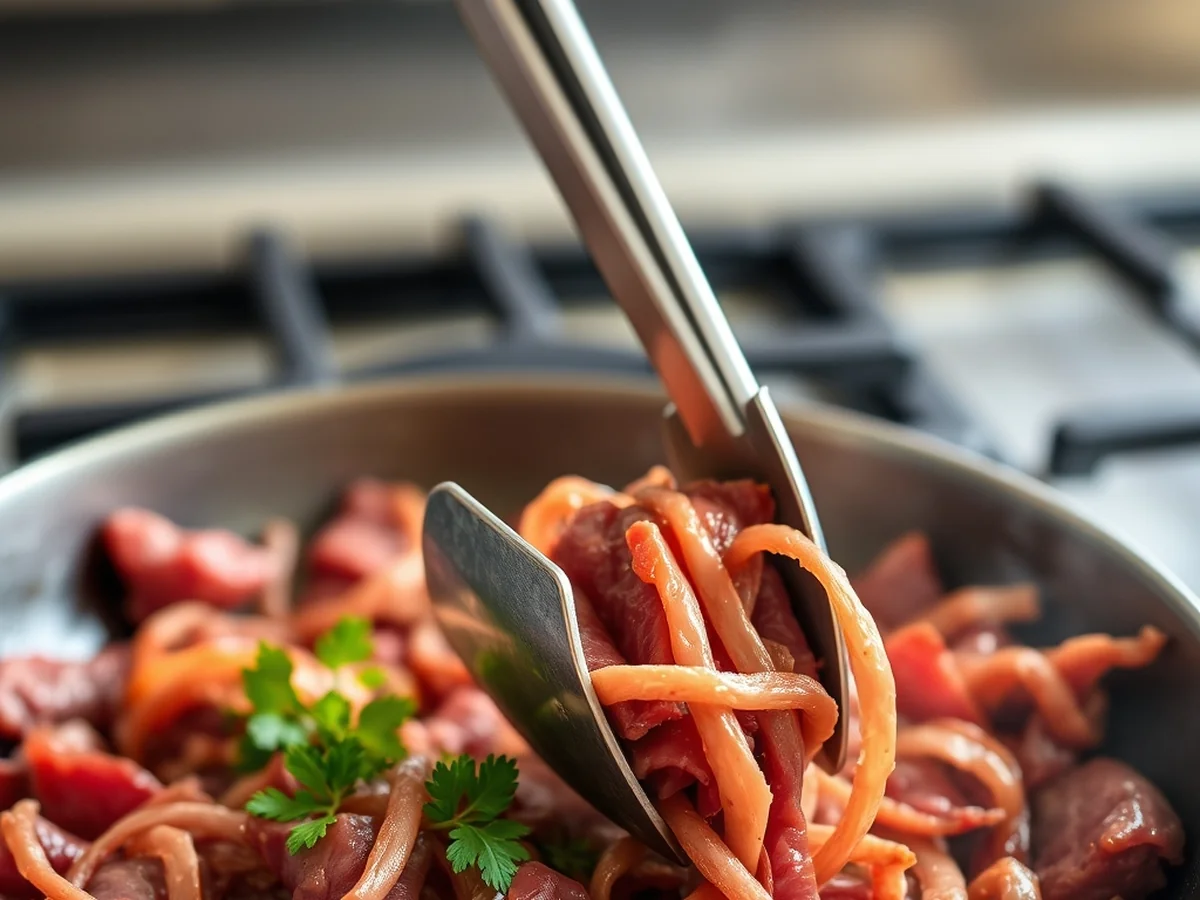
Shaved beef consists of extremely thin, translucent ribbons of meat, while thinly sliced steak typically refers to slightly thicker, uniform pieces. Both cuts feature a high surface area to volume ratio, which makes them perfect for rapid skillet meals.
Because these thin cuts absorb heat quickly, they are ideal for busy evenings. You can achieve a flavorful sear in a hot cast iron skillet before the interior becomes overcooked. The rapid cooking time for thinly sliced beef allows you to prepare proteins for sandwiches or stir-fry dishes in minutes. When you manage the heat correctly, this meat provides a tender texture without requiring the long preparation times needed for larger, thicker roasts or steaks.
Best Cuts for Cooking
Top round steak is a frequent choice for shaved beef because it is lean and responds well to quick heat. While the terms shaved, thinly sliced, and deli-style beef are often used interchangeably, they differ primarily in their final thickness and production method. Shaved beef consists of extremely thin, translucent ribbons, whereas thinly sliced beef is slightly thicker and more uniform. Deli-style meat is typically pre-cooked and cut with industrial machinery for consistent sandwich portions.
The high surface area of these thin cuts significantly speeds up the cooking time compared to thicker steaks. Because each piece has a large surface area relative to its volume, the meat loses moisture rapidly when exposed to heat.
Searing Shaved Beef Correctly

To achieve a proper sear, start by patting the meat dry with paper towels. Removing surface moisture is essential because it allows the beef to brown quickly before it begins to steam in its own juices.
A cast iron skillet is an excellent choice for this process. Its ability to retain heat ensures the pan stays hot even when you add cold meat, which is one of the best ways to sear shaved beef effectively. Because the pieces are so thin, you must balance high heat with short cooking times to avoid overcooking. Keep the meat moving and remove it from the pan the moment it develops a golden crust.
Best Cooking Methods

To achieve a proper sear on thin meat, you must manage pan space and temperature carefully. Preparing the beef in small portions ensures the surface area stays hot enough to brown the meat rather than letting it release juices and steam.
- Work in small batches so the pan surface remains uncovered and hot enough for effective browning.
- Avoid crowding the skillet, which is essential because excess moisture causes the meat to boil in its own juices.
- Keep the heat high to encourage the Maillard reaction, but watch the cooking time for thinly sliced beef closely to avoid overcooking.
- Add aromatics like garlic or ginger during the final minute of cooking to prevent them from burning while the meat sears.
Preventing Tough Shaved Beef

You can easily learn how to prevent tough shaved beef by prioritizing quick, high-heat methods that avoid prolonged exposure to moisture or acidity. Because these thin strips have a high surface area to volume ratio, they lose moisture rapidly, making overcooking the primary cause of a chewy or rubbery texture.
Opt for rapid searing over braising to maintain a pleasant mouthfeel. Braising is meant for thicker cuts that need time to break down connective tissue, but it will quickly dry out delicate shaved slices. Instead, sear the beef in small batches using a hot pan. This ensures the meat browns effectively without steaming in its own juices, which preserves the tender quality you want for sandwiches or stir-fry dishes.
Storing Leftover Cooked Beef

You should place any extra prepared meat into the refrigerator promptly after your meal to maintain food quality. According to the USDA Food Safety and Inspection Service, keeping perishable items at the correct cold temperature prevents the growth of harmful bacteria. Always store leftovers in shallow, airtight containers to allow for rapid cooling and to protect the internal temperature for beef strips.
| Storage Type | General Requirement |
|---|---|
| Refrigeration | Keep below 40 degrees Fahrenheit |
| Timeframe | Refrigerate within two hours |
| Container | Use shallow airtight vessels |
Following these simple steps for food safety ensures your meal remains a safe option for later consumption.
Quick Meal Applications
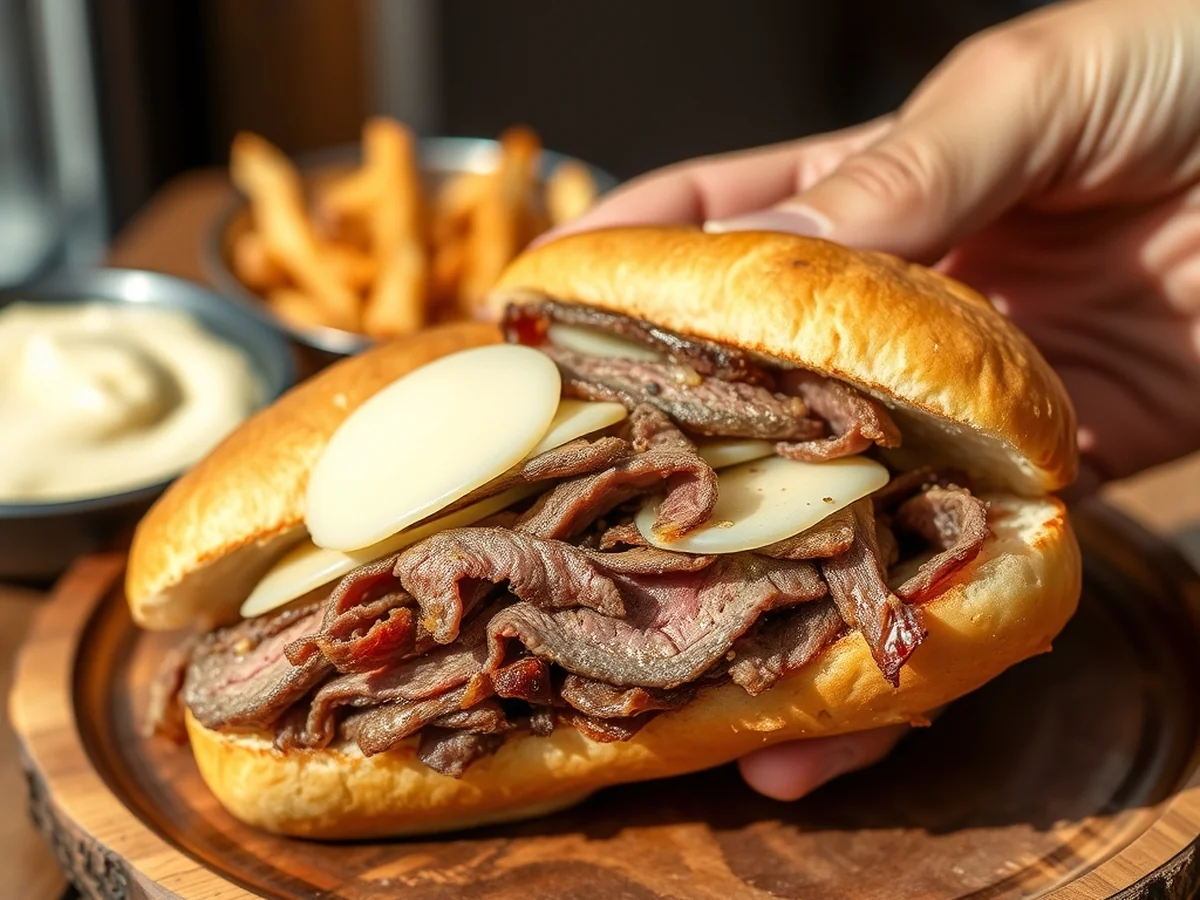
Preparing thinly cut meat is ideal for fast recipes because it reaches a finished state in mere minutes. You can easily adapt this protein for everything from hearty handhelds to busy weeknight dinners.
- Incorporate the meat into sandwiches by piling it onto toasted rolls with melted cheese and sautéed onions.
- Use the protein in wraps by tossing it with fresh greens and a quick vinaigrette for a light lunch.
- Create diverse shaved beef stir fry recipes by adding colorful bell peppers, snap peas, or broccoli to your pan.
- Pair the slices with quick-cooking vegetables like baby spinach or shredded carrots to keep your total prep time minimal.
- Mix the beef into grain bowls for a nutritious and satisfying meal.
Common Cooking Mistakes to Avoid

You can achieve better results when preparing thin meat strips by avoiding a few frequent errors that impact both texture and flavor. Being mindful of your technique ensures the beef browns effectively instead of steaming in its own juices.
- Avoid crowding the pan, as adding too much meat at once lowers the temperature and prevents a proper sear.
- Always pat the surface moisture away with a paper towel before adding the beef to the skillet to encourage browning.
- Do not cook the strips for too long, because thin cuts lose moisture rapidly and can quickly become tough.
- Work in smaller batches to maintain high heat and ensure every piece develops a flavorful crust.
FAQ
How long do you cook shaved beef?
Shaved beef cooks very quickly due to its high surface area to volume ratio, usually requiring only 2 to 4 minutes in a hot pan. Watch the color closely, as the meat transitions from pink to browned in a very short window.
What is the best way to keep shaved beef from getting tough?
To prevent tough shaved beef, avoid overcrowding your skillet, which causes the meat to steam rather than sear. Working in small batches allows the surface to brown effectively without overcooking the interior of the thin strips.
Should I marinate shaved beef?
Marinating can add significant flavor, but you should keep the timing brief because shaved beef is delicate. If the marinade contains acidic ingredients like citrus or vinegar, avoid soaking the meat for more than 12 hours to prevent the texture from becoming mushy.
Can you cook shaved beef from frozen?
While it is possible to cook thin beef directly from frozen, it is generally better to thaw it first for even browning. Cooking from frozen often leads to excess moisture in the pan, which hinders the development of the Maillard reaction necessary for a good crust.
What is the safest way to store leftover beef?
The USDA Food Safety and Inspection Service recommends that you refrigerate any leftover cooked beef within two hours of preparation. Store the meat in an airtight container at 40 degrees Fahrenheit or below to maintain quality and safety.
Conclusion
The final step in your preparation depends entirely on your chosen recipe and desired flavor profile. Whether you prefer a quick high-heat sear for sandwiches or a rapid toss in a hot skillet for stir-fry, mastering how to cook shaved beef requires close attention to the clock to maintain a tender texture. Once you have determined your preferred cooking method, prepare your ingredients and pan in advance to ensure a smooth, efficient process. This approach helps you achieve consistent results every time you head to the kitchen for a fast meal.
You might also like: Easy Shaved Beef Recipes for Quick Weeknight Meals