
Malaysian Roti Canai Masterclass (Dough Prep & Technique)
Introduction
Creating authentic malaysian roti canai dough requires a precise balance of flour, fat, and hydration to achieve the signature flaky, layered structure. Mastering malaysian roti canai dough relies on specific resting times and folding techniques that transform simple pantry staples into a soft, elastic base.
This guide breaks down the essential components needed to build the perfect foundation for your flatbread. You will learn how to manage the gluten development required for a stretchy, manageable result and discover the physical handling methods that create those distinct, paper thin layers. By focusing on the fundamentals of ingredient ratios and dough resting, you can replicate the specific characteristics of this traditional dish at home.
Introduction to Roti Canai
Mastering malaysian roti canai dough is essential for recreating the light, flaky layers that define this iconic breakfast staple. Achieving the perfect malaysian roti canai dough requires precise handling and patience, as the dough structure dictates the final quality of the flatbread.
Roti canai serves as a foundational element of Malaysian food culture, frequently enjoyed at roadside stalls and mamak eateries across the country. The preparation process focuses on developing elasticity through kneading and resting, which allows the gluten to relax enough for stretching. This masterclass guides you through the technical steps required to transform simple ingredients into the thin, layered pastry characteristic of authentic, traditional preparation.
Essential Ingredients for Dough
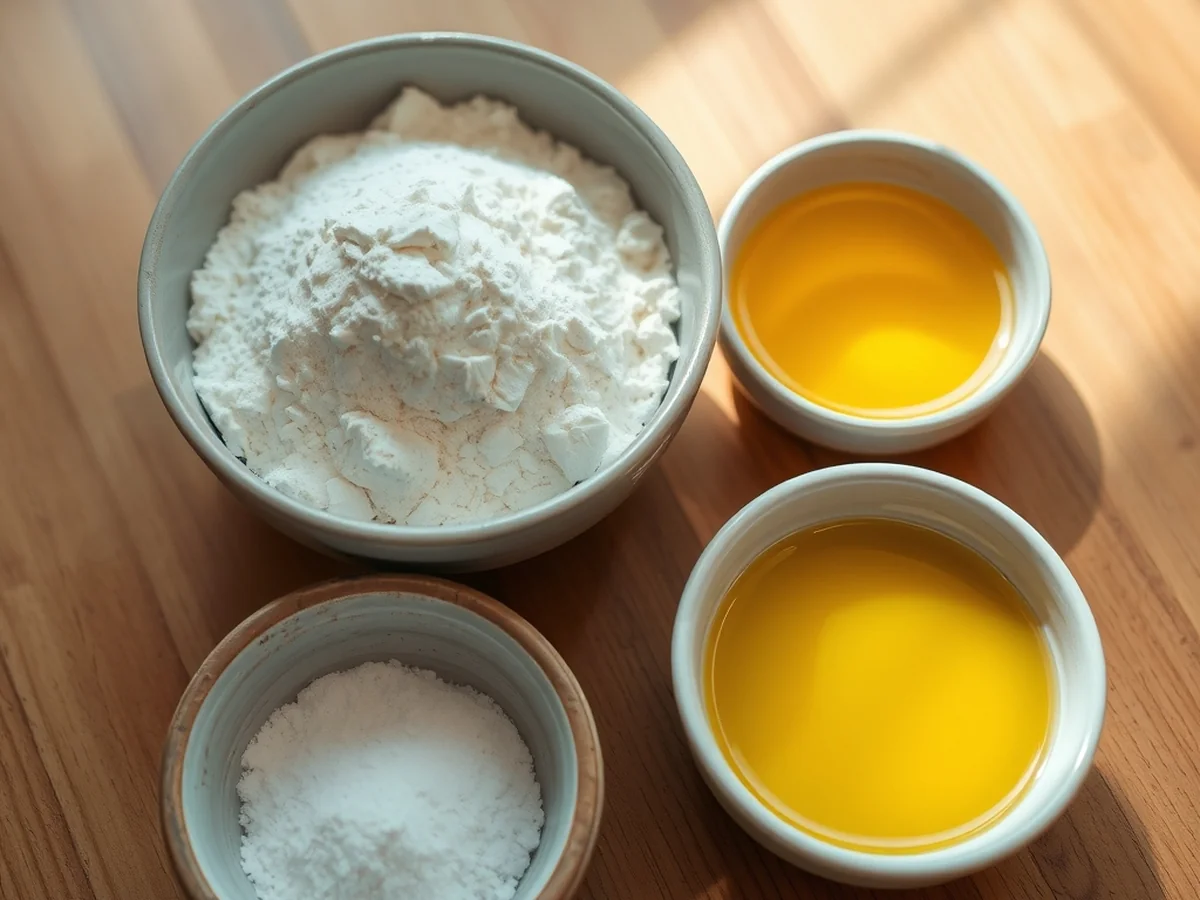
Creating the foundation for Malaysian roti canai dough requires a precise balance of staple ingredients. Each component serves a functional purpose, working together to transform simple pantry items into a supple, workable structure capable of being stretched into translucent layers. Mastering the roti canai dough recipe begins with understanding how these core elements interact.
The Role of Flour and Hydration
High protein flour is the structural framework for the flatbread. The protein content is significant because it allows the dough to withstand the physical manipulation required for stretching without tearing. When mixed with water, these proteins develop into a gluten network. Water acts as the primary hydrating agent, facilitating this development.
Achieving the correct roti canai dough consistency depends on the hydration level, which dictates how easily the dough can be pulled. If the mixture is too dry, the gluten will not form properly, leading to a tough result. If it is too wet, the material becomes sticky and difficult to handle during the stretching phase.
The Science of Fat and Salt
Fat, typically in the form of ghee or oil, serves as a lubricant within the roti canai dough ingredients. By coating the gluten strands, fat prevents the network from becoming overly rigid. This is essential for achieving the elasticity needed for manual stretching. Without sufficient fat, the dough becomes brittle and snaps back under tension rather than stretching smoothly.
Salt performs a dual function in roti canai dough science. Beyond enhancing flavor, it tightens the gluten structure, which helps maintain the integrity of the thin layers during the cooking process. This prevents the bread from losing its shape or becoming overly soft when heated.
The Importance of Resting
Resting the mixture is a mandatory step in any professional approach to the process. Immediately after mixing, the gluten network is tight and resistant to movement. Allowing the mass to rest undisturbed enables these strands to relax, which drastically increases the extensibility of the material.
This resting period is what fundamentally dictates the final roti canai dough texture. A well-rested dough is significantly easier to handle and ensures that the layers remain thin and distinct once cooked. Skipping this stage often leads to frustration, as the material will constantly retract, making it nearly impossible to achieve the signature flaky finish associated with traditional roti canai techniques. Whether you are experimenting with various roti canai dough types or sticking to a classic method, patience during the resting phase is the most effective way to ensure a high-quality result that is both soft and resilient.
The Science of Dough Elasticity
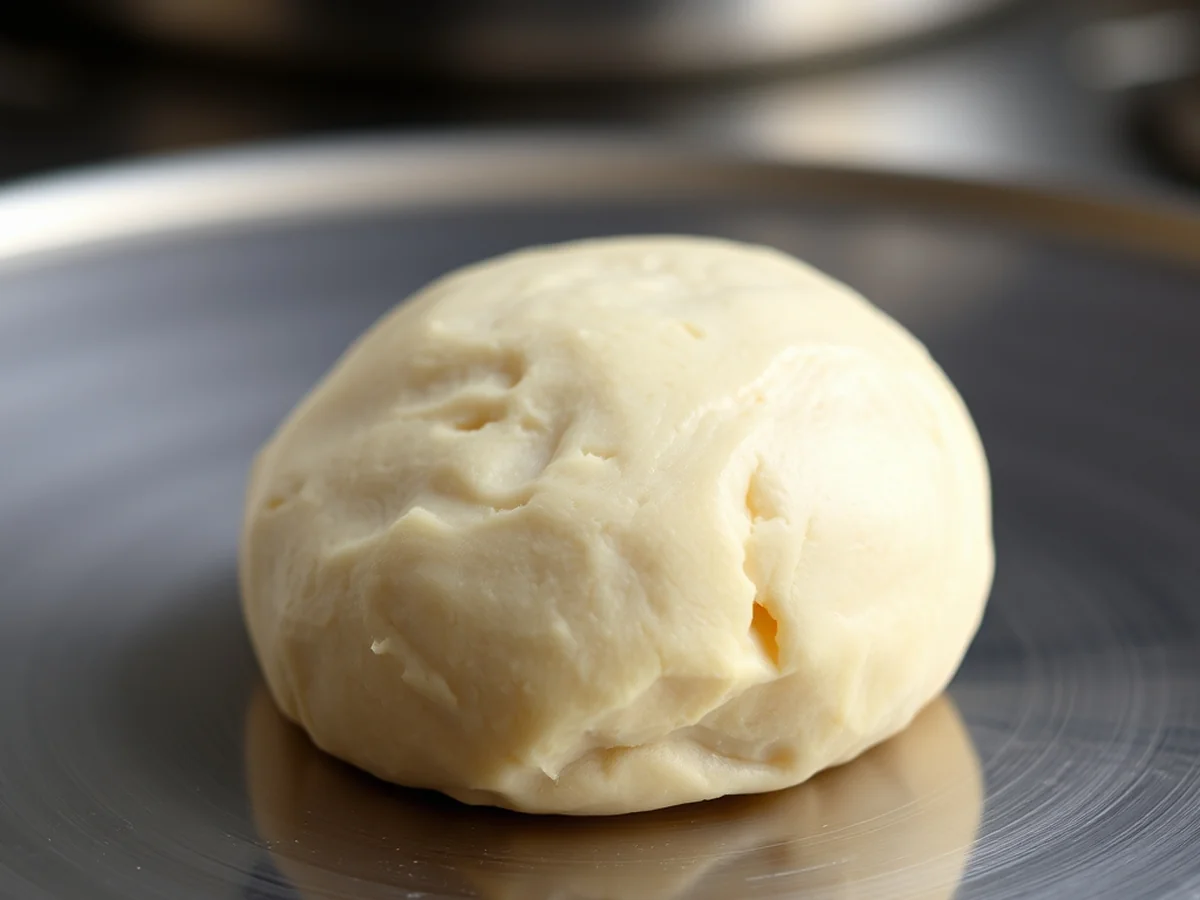
Elasticity in malaysian roti canai dough relies on the deliberate development of gluten proteins and the strategic use of hydration. When flour meets water, proteins called glutenin and gliadin bond to form a flexible network that allows the dough to stretch without tearing.
Kneading encourages these protein chains to align, creating a structured web that provides strength. If you skip this step, the dough lacks the structural integrity needed for the extreme thinning process. Resting the dough after kneading is equally vital, as it allows the gluten network to relax. This phase prevents the dough from snapping back when you attempt to stretch it thin.
Proper hydration acts as the lubricant for these protein strands. A well-hydrated mixture ensures the dough remains pliable rather than brittle. If the hydration level is too low, the gluten network becomes stiff and resists extension. Conversely, balanced moisture allows the dough to flow and expand, which is essential for reaching the translucent, paper-thin stage required for authentic layering.
The thin, translucent stretching process is a direct result of these scientific principles working in tandem. When the dough is properly kneaded and sufficiently rested, it gains the necessary extensibility to be pulled into a wide, delicate sheet. Achieving this roti canai dough science involves balancing three key factors:
- The physical alignment of gluten proteins through consistent kneading.
- The chemical relaxation of the gluten structure during the resting period.
- The precise level of hydration that permits the dough to stretch without breaking its delicate surface.
By respecting these stages, the dough reaches a state where it can be folded into tight, overlapping layers. This creates the signature airy, crisp texture expected in the finished product. Each fold traps tiny pockets of fat and air, which expand during cooking to separate the thin, flaky layers. If the gluten is not developed or relaxed correctly, these layers will fail to separate, resulting in a dense, chewy texture rather than the light, shattered crunch characteristic of high-quality flatbread.
Tips for Dough Texture

The success of authentic roti canai relies on achieving a specific dough texture that is soft, supple, and remarkably elastic. This unique consistency is what allows the flatbread to be stretched into thin, translucent layers without tearing. Because the dough is traditionally manipulated by hand, the initial structural development dictates how easily you can shape the final product.
Understanding the Science of Elasticity
The roti canai dough science hinges on the development of a strong but relaxed gluten network. During the initial mixing of your roti canai dough ingredients, the flour and liquid form a rough, shaggy mass. Kneading is the mechanical process that aligns these protein strands, turning a coarse lump into a cohesive ball. However, the goal is not just strength; it is extensibility. If the gluten is worked too aggressively, the network becomes rigid, causing the dough to snap back during the stretching phase. A proper rest period allows the gluten to relax, which is essential for ensuring the dough can be pulled thin enough to create the signature flaky, layered structure.
Testing for Proper Consistency
Monitoring your roti canai dough consistency throughout the preparation process helps you make real time adjustments. A simple touch test serves as the most effective gauge. After the dough has rested, press a finger into the surface. If the indentation remains and the surface feels soft and pliable, the gluten has reached the necessary state of relaxation. If the ball feels tight, firm, or resists your touch, it requires additional resting time. Attempting to stretch a tight ball will result in thicker, bread-like layers rather than the desired airy, crispy texture.
Practical Adjustments for Success
Achieving the perfect feel requires attention to both hydration and handling. The mixture should feel velvety and smooth rather than overly wet or dry. If you encounter issues during the kneading stage, consider these adjustments to stabilize the structure:
- If the mass feels too firm or dry, adding a small amount of oil can increase suppleness and improve the stretch.
- If the mixture feels overly sticky or tacky, add only a minimal amount of flour during the early kneading stages to avoid making the final flatbread dense.
- Avoid over-kneading, as this can lead to a tough, chewy finished product that lacks the delicate, flaky quality expected in high-quality roti canai.
By focusing on a gradual build of gluten followed by adequate resting time, you ensure the dough is prepared for the rapid flattening and spinning techniques required to create those iconic layers.
Common Preparation Mistakes
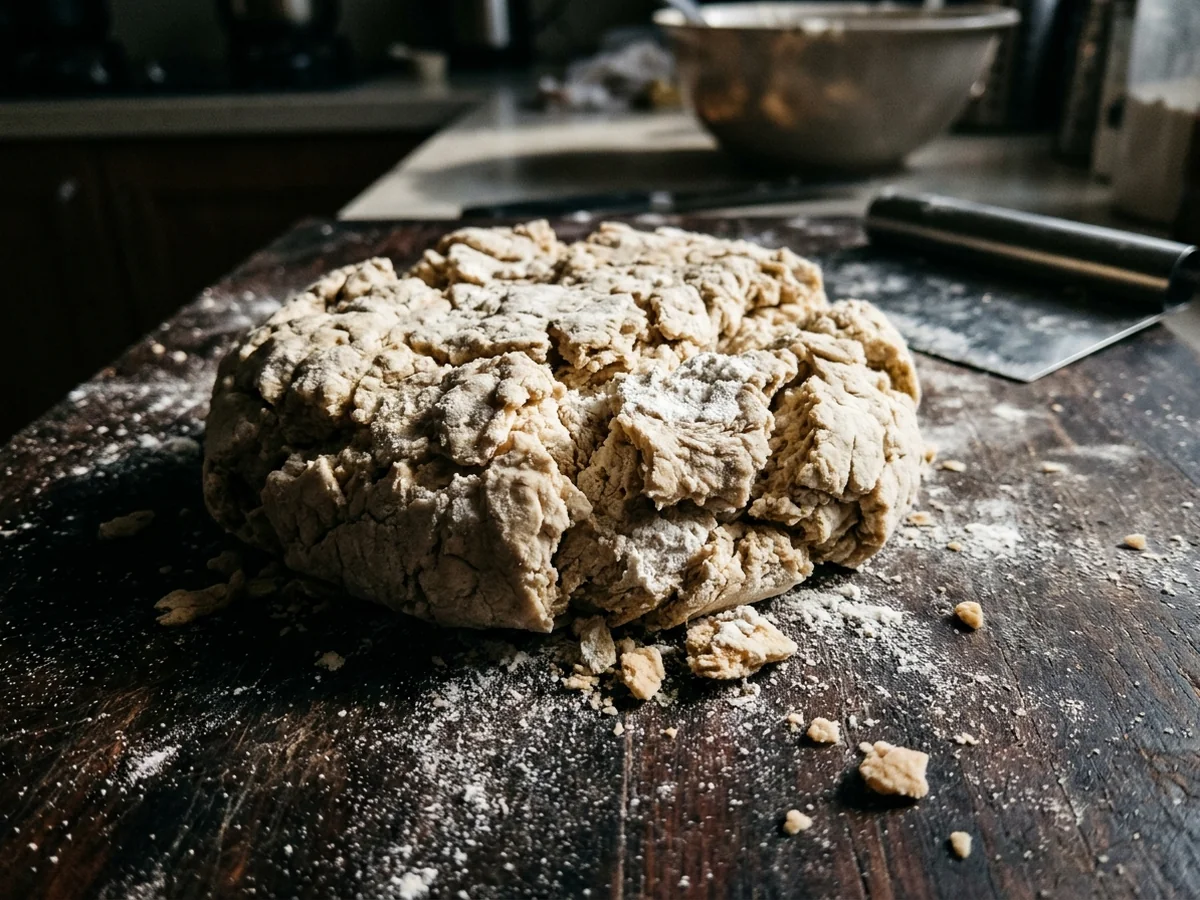
Achieving the perfect texture in your flatbread preparation often comes down to avoiding errors in handling and composition. Small deviations in how you mix or rest the mixture can significantly impact the finished result.
- Insufficient resting time prevents the gluten strands from relaxing, which causes the base to snap back aggressively when you try to stretch it thin.
- Using flour with low protein content fails to provide enough structural integrity, leading to a product that tears easily rather than forming those signature delicate layers.
- Excessive hydration makes the mixture too sticky and difficult to handle, whereas insufficient moisture prevents the necessary malleability required for proper folding and expansion.
- Failing to incorporate sufficient fat during the resting phase inhibits the creation of distinct, crispy layers, often resulting in a dense and chewy finished product.
- Overworking the mixture after the initial resting period can toughen the gluten, negating the benefits of the waiting time and making the base difficult to shape.
When the gluten in the mixture is not allowed enough time to relax, it remains tight and unyielding. This lack of elasticity makes it nearly impossible to stretch the material into the paper-thin sheets needed for high-quality results. You will notice the material resisting your hands, consistently shrinking back toward the center instead of maintaining its thin, stretched form.
Selecting the right flour is vital for the correct roti canai dough consistency. Flours that lack the necessary protein strength cannot support the delicate internal structure. If you use a variety meant for delicate pastries rather than one with higher protein content, the layers will lose definition. The resulting flatbread often lacks the characteristic flaky separation that defines a professional-grade product.
Managing hydration levels remains the most challenging aspect of this process. If the mixture is too dry, it will break apart during the stretching phase, preventing you from achieving the required surface area. Conversely, adding too much water creates a wet, unmanageable mass that refuses to hold its shape. Finding the middle ground is essential for ensuring that the roti canai dough texture remains soft, pliable, and easy to manipulate during the folding process.
Traditional Shaping Techniques
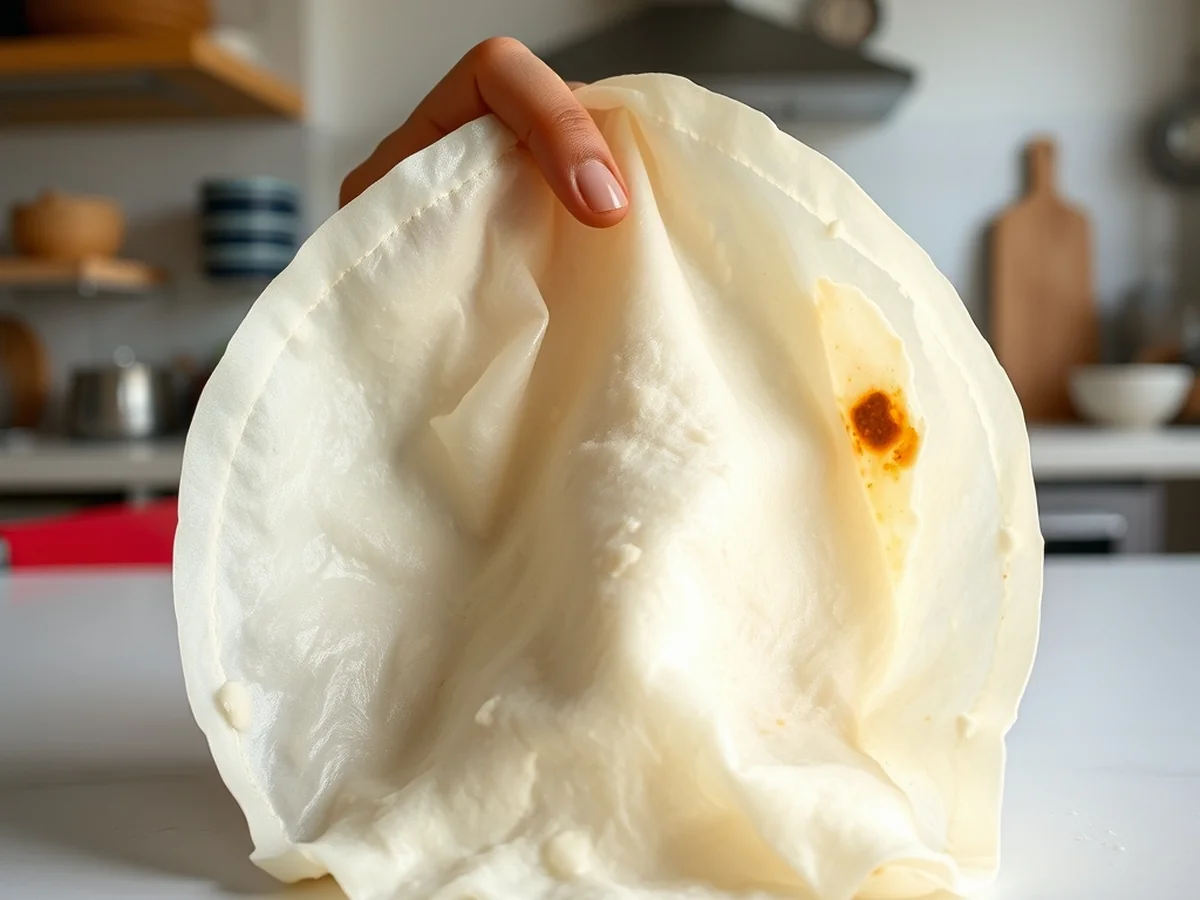
The characteristic structure of roti canai relies on deliberate manipulation of the prepared base. Shaping is not merely for aesthetics, as the process determines the final mouthfeel of the bread. By stretching and folding, you create a complex internal architecture that relies on the interaction between gluten, moisture, and fat.
The Physics of Layering
When preparing the mixture, the goal is to develop a thin, elastic sheet. Stretching the mass until it becomes translucent is essential because it aligns the gluten strands into a manageable, pliable structure. If the mass is too thick, the internal layers cannot crisp adequately during cooking, leading to a dense result. Once stretched, the process of folding the sheet over itself acts as a mechanism to trap air and fat between multiple thin membranes. This layering is the primary factor in achieving the signature roti canai dough texture that balances a crispy exterior with a soft, pliable center.
Fat, such as ghee or oil, is the most important component during this stage. It acts as a physical barrier that prevents the thin membranes of the stretched mixture from fusing together. Without a consistent and generous coating of fat, the steam generated during cooking cannot force the layers apart, causing the structure to collapse into a single, heavy mass. As the heat hits the pan, this trapped fat effectively fries each individual layer from within, which is the key to the flaky, multi-layered consistency that defines the dish.
Managing Gluten Relaxation
A common mistake during shaping is failing to allow for adequate resting time. If the gluten remains too tight, the dough will resist stretching and snap back during the shaping process. Allowing the mixture to rest enables the gluten network to relax, which makes it significantly easier to stretch into large, thin sheets without tearing. This relaxation is vital for maintaining the structural integrity of the folds. If you force the shaping before the gluten has settled, you risk creating an uneven thickness that will result in inconsistent cooking times.
Refining Your Technique
When folding, aim for a consistent, coiled, or stacked arrangement. This organization dictates how the steam will later expand the bread. If the folds are too loose or too tightly packed, the expansion will be uneven. Focus on the following steps to ensure a professional outcome:
- Stretch the mixture carefully to a near-translucent state to encourage maximum crispness.
- Apply your chosen fat evenly across the entire surface area before every fold to guarantee a reliable barrier between layers.
- Respect the resting period between mixing and shaping to ensure the gluten is sufficiently relaxed for easy handling.
- Use a light touch when folding to maintain the delicate membranes and prevent unwanted tearing.
Mastery of these roti canai techniques requires consistent practice. By focusing on the relationship between lubrication and structural organization, you create the foundation for a successful final product that achieves the ideal contrast between its various layers.
Variations and Regional Styles
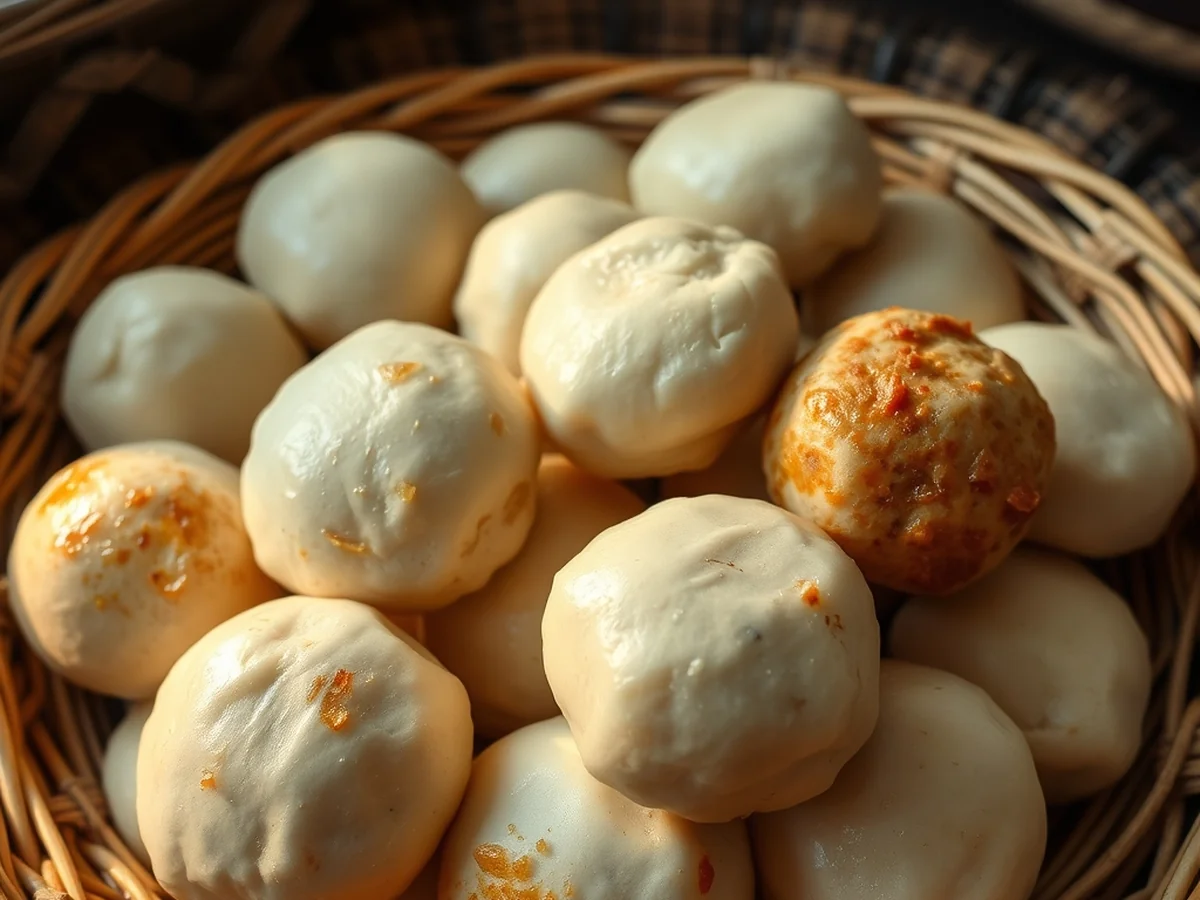
Regional adaptations of this flatbread often reflect local ingredient availability and specific cultural preferences across Malaysia. While the foundational preparation remains rooted in tradition, cooks frequently adjust the hydration levels or resting times to suit their local climate or preferred final texture. These modifications demonstrate how the malaysian roti canai dough serves as a versatile canvas for different culinary interpretations.
Influencing Dough Texture and Richness
The roti canai dough recipe is rarely static, as minor changes to the ratio of ingredients significantly alter the final experience. When adjusting for climate, a more humid environment might require a slightly lower hydration level to maintain the ideal feel of the malaysian roti canai dough, preventing the dough from becoming overly tacky or difficult to handle during the stretching phase. Conversely, in drier regions, a touch more water is often necessary to ensure the gluten network remains sufficiently pliable.
Beyond climate, bakers introduce specific additives to customize the result. Eggs are a frequent addition, acting as an emulsifier that creates a more tender, brioche-like crumb. Milk or sweetened condensed milk is another common inclusion, providing a subtle sweetness and assisting in a deeper golden color during the frying process. When experimenting with these roti canai dough ingredients, it is important to balance the enrichment with the overall flour content, as excessive fat can sometimes impede the development of the thin, crispy layers that define the classic dish.
Technical Adjustments for Enriched Doughs
Working with enriched doughs requires a refined approach. If you add fats like ghee or vegetable margarine directly into the mix, the dough gains richness but may become more prone to tearing during the expansion phase. To compensate, focus on the resting period. Allowing the dough to rest sufficiently is the most effective way to relax the gluten, ensuring the elasticity required to pull the dough into paper-thin sheets. If the dough resists stretching, it is a sign that the gluten has not yet relaxed enough, which is a common mistake for beginners who rush the process.
Standardizing the Stretching Process
Regardless of the specific roti canai dough variations, the primary objective remains the same: creating a structure that can withstand significant stretching without breaking. The science behind the roti canai dough relies on the interplay between the protein in the flour and the fat used for coating. By coating the dough balls in oil or ghee, you prevent a crust from forming while allowing the layers to separate during cooking. This method of layering is universal, proving that while ingredients may change, the fundamental techniques remain the constant factor for quality.
Storing and Preserving Dough

You can store prepared flatbread base by coating the individual balls in oil and keeping them in an airtight container or a sealed plastic bag. This prevents the surface from drying out and forming a hard crust, which would otherwise ruin the delicate layers during the stretching process.
Following these steps will help maintain the quality of your preparation for later use:
- Apply a generous layer of oil or clarified butter over every ball to ensure the surface remains supple and moisture stays trapped inside.
- Place the oiled portions into a shallow container with enough space between them to prevent sticking if they expand slightly.
- Keep the container in the coldest part of your refrigerator to slow down gluten development and fermentation, which keeps the texture manageable.
- Ensure the container is completely airtight to block out other food odors and prevent the formation of a skin on the exterior.
- Freeze the prepared portions for longer storage, but plan for a slower thawing process to protect the integrity of the layers.
- Label your storage container with the date so you can prioritize using the oldest batches first for the freshest results.
Refrigeration naturally firms up the fats within the mixture, making it stiffer than it would be at room temperature. While this is helpful for handling, you must allow the portions to return to a relaxed state before attempting to stretch them. If you try to work with the balls while they are still chilled, the gluten will resist stretching and the pieces are more likely to tear.
To bring the cold mixture back to a usable condition, move it from the refrigerator to your counter about an hour before you plan to cook. Keep the pieces covered with a damp cloth or plastic wrap during this time to maintain humidity. If you are thawing frozen portions, move them to the refrigerator overnight first. Bringing them to a pliable room temperature slowly is the most effective way to restore the ideal consistency for successful stretching.
FAQ
What is the ideal consistency for Malaysian roti canai dough?
The ideal feel for this mixture should be soft, pliable, and slightly elastic. Achieving the proper results requires thorough kneading until the gluten develops enough to allow the base to stretch thin without tearing during the folding process.
Why does my roti canai dough tear when I stretch it?
The base is likely tearing because the gluten has not rested long enough or the protein structure is under-developed. Allowing the mixture to rest for several hours after kneading ensures the fibers relax, which is essential for achieving the necessary thinness without breakage.
Do I need special flour to make authentic Malaysian roti canai dough?
You can achieve excellent results using standard all purpose flour or bread flour depending on your preference for chewiness. While some variations use specific flour types, the final feel of the base relies more on the hydration levels and the resting time than the specific brand of flour used.
Can I prepare the dough in advance?
Preparing the mixture in advance is highly recommended because the resting period is a crucial part of how the gluten develops. Storing the shaped, oiled balls in an airtight container for several hours or overnight allows the fat to penetrate the layers, resulting in a much flakier final product.
How many ingredients are in a traditional roti canai dough recipe?
A traditional preparation requires only a few basic pantry staples including flour, water, salt, and a fat source like ghee or oil. These simple components work together to create the distinct layers that define the dish when cooked properly.
Conclusion
Mastering the preparation process is the final step toward achieving the signature layers of this bread. Once you have successfully rested and shaped your preparation, you are ready to heat your griddle and begin the cooking phase. Focus on maintaining a consistent temperature to ensure the exterior turns golden and crisp while the interior remains soft.
You might also like: Traditional Brazilian Picanha Steak Techniques