
Best Sauces and Marinades for Quick Shaved Beef Dinners
Introduction
Selecting the right sauces and marinades for shaved beef transforms thin, quick-cooking strips into flavorful, restaurant-style meals. Mastering these sauces and marinades for shaved beef ensures your skillet dinners remain tender and packed with savory depth during high-heat cooking.
This article explores essential flavor combinations, ranging from classic umami-rich blends to bright, acidic profiles suitable for thin-cut proteins. You will learn practical techniques for marinating delicate meat safely, including how long to soak your beef for maximum impact without compromising texture. We also cover professional tips for managing salt ratios and preventing cross-contamination, ensuring every meal is as safe as it is delicious. Whether you prefer a quick stir-fry or a savory pan-seared dish, these strategies help you get the most out of your kitchen time while achieving the perfect finish on every bite.
Quick Shaved Beef Recipes

Shaved beef differs from traditional steak cuts because its extreme thinness allows for rapid cooking and immediate flavor absorption. While thicker cuts require hours of marination, these delicate strips benefit from short exposure to flavorful liquids to enhance umami profiles without compromising their structure.
Preparing 30-minute skillet meals requires a careful balance of high-heat searing and seasoning. By using quick-acting flavor bases, you can achieve a perfect texture that remains tender rather than tough. Focus on these core elements to maintain quality:
- Use potent, concentrated flavor components for instant impact.
- Prioritize fast-acting seasonings that don’t require lengthy soaking times.
- Ensure the skillet is sufficiently hot to facilitate the Maillard reaction before the meat overcooks.
Flavor Profiles for Shaved Beef
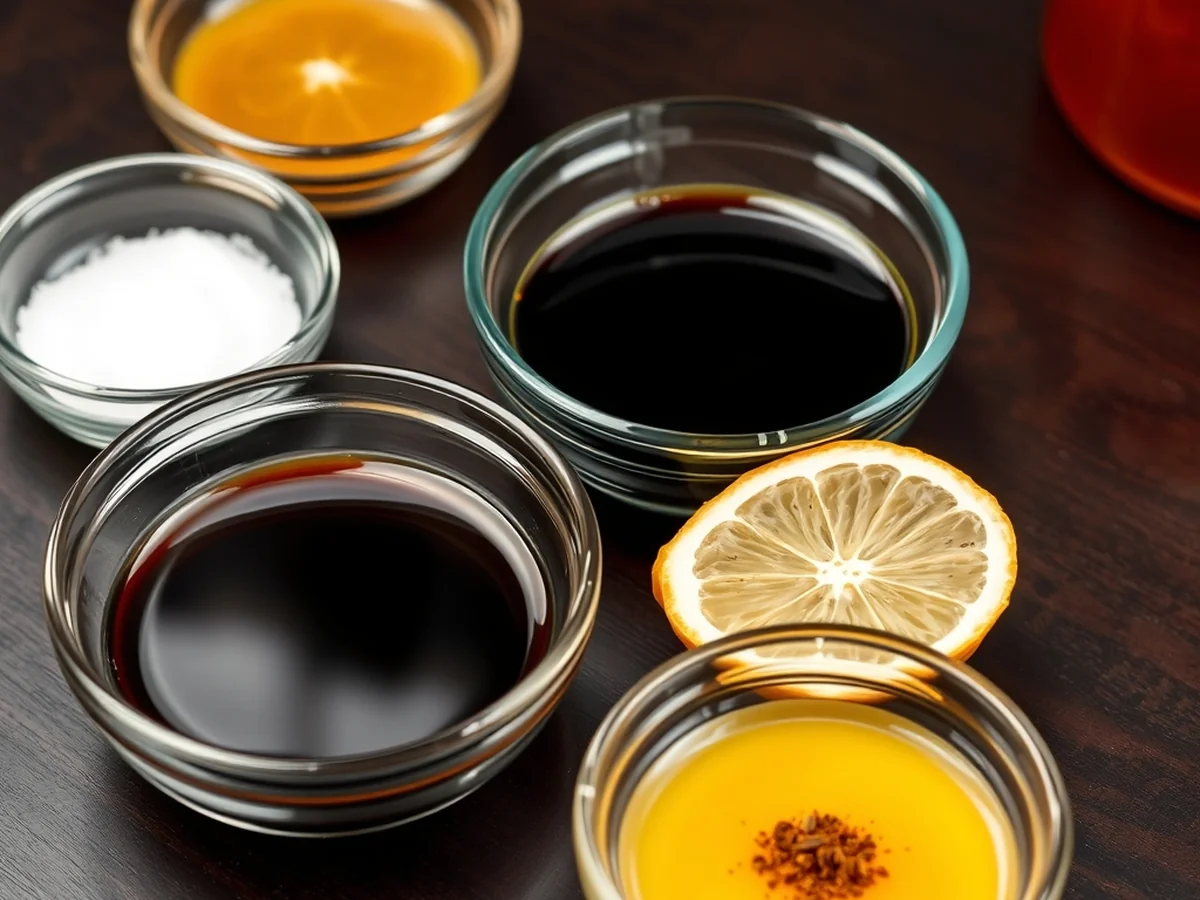
The most effective flavor profiles for thin-cut meat balance savory depth with bright acidity to enhance the natural richness of the beef. Because these slices cook rapidly in a hot pan, you should choose seasonings that caramelize quickly to build a flavorful crust.
- Soy sauce serves as a primary foundation for umami flavor profiles, providing a salty depth that pairs well with aromatics like fresh ginger and garlic.
- Sweet and spicy combinations, often featuring honey or chili flakes, are excellent for high-heat cooking because they create a sticky glaze on the meat.
- Toasted sesame oil adds a nutty aroma that complements the savory notes of beef without overpowering the dish.
- Citrus juice or rice vinegar helps brighten the flavor of the best stir fry sauces for thin beef.
Marination Timing and Science

Thinly sliced beef absorbs flavor much faster than thick steaks because the increased surface area allows ingredients to penetrate the muscle fibers rapidly. Due to this efficiency, quick beef marinade recipes often require only 15 to 30 minutes to achieve a noticeable impact.
Leaving meat in a liquid mixture for too long can negatively affect the texture. If the mixture contains acidic components, the proteins may break down excessively, resulting in a mushy consistency that ruins the final dish.
- Flavor soaking: Designed for short durations to infuse the surface with savory notes.
- Tenderizing thin beef slices: Involves specialized ingredients intended to alter structural integrity, which should be monitored closely to avoid texture degradation.
Safe Marinade Handling Tips
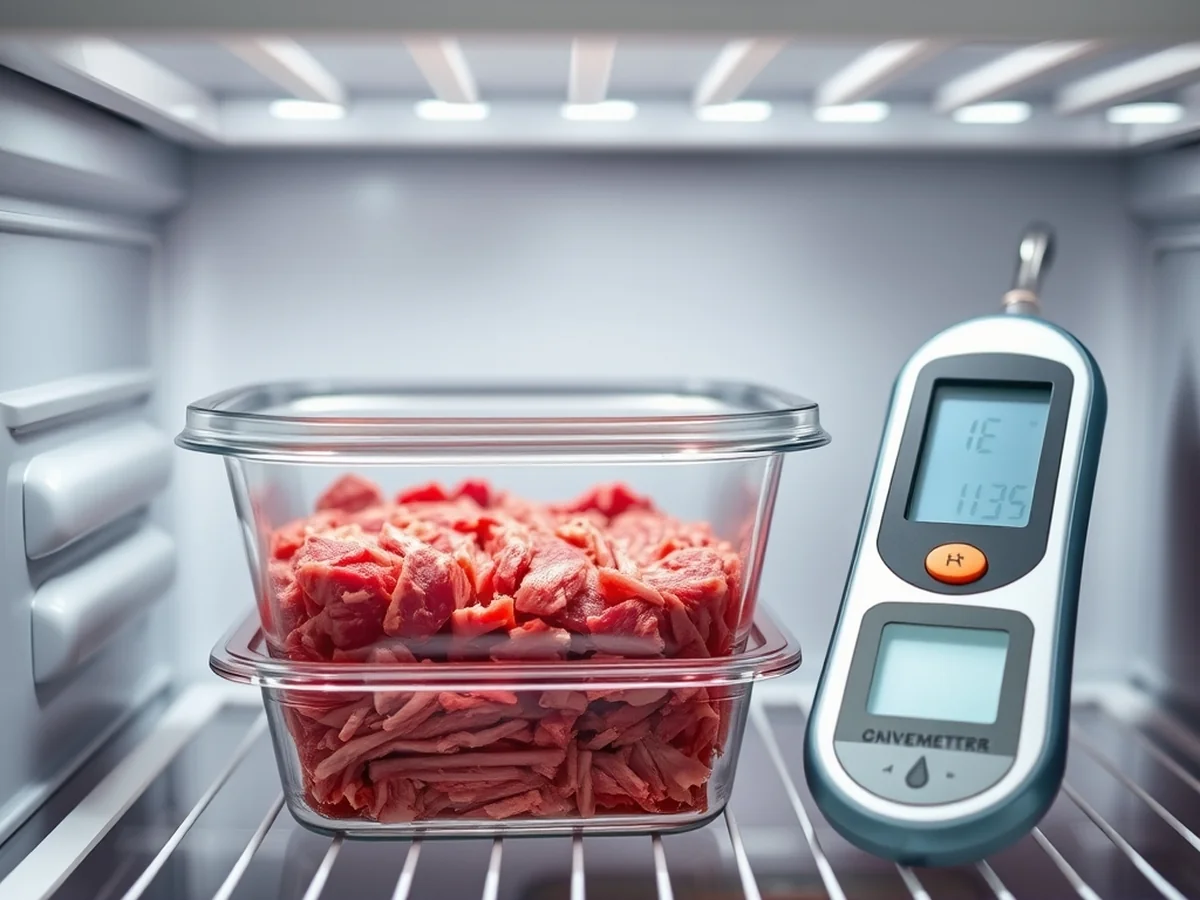
Practicing proper food safety for marinating meat ensures your quick dinner remains both delicious and safe to eat. Following the USDA Food Safety and Inspection Service guidelines for handling raw beef is the best way to prevent foodborne illness while preparing your meal.
- Always keep raw meat covered and refrigerated while it rests in a marinade to inhibit harmful bacterial growth.
- Use non-reactive containers like glass or food-grade plastic bags to prevent chemical reactions between the ingredients and the metal.
- Never save or reuse liquid that has come into direct contact with raw beef unless it has been brought to a full, rolling boil first.
- Thoroughly wash all surfaces, utensils, and hands with hot, soapy water immediately after they touch raw meat.
Comparing Marinades and Finishing Sauces
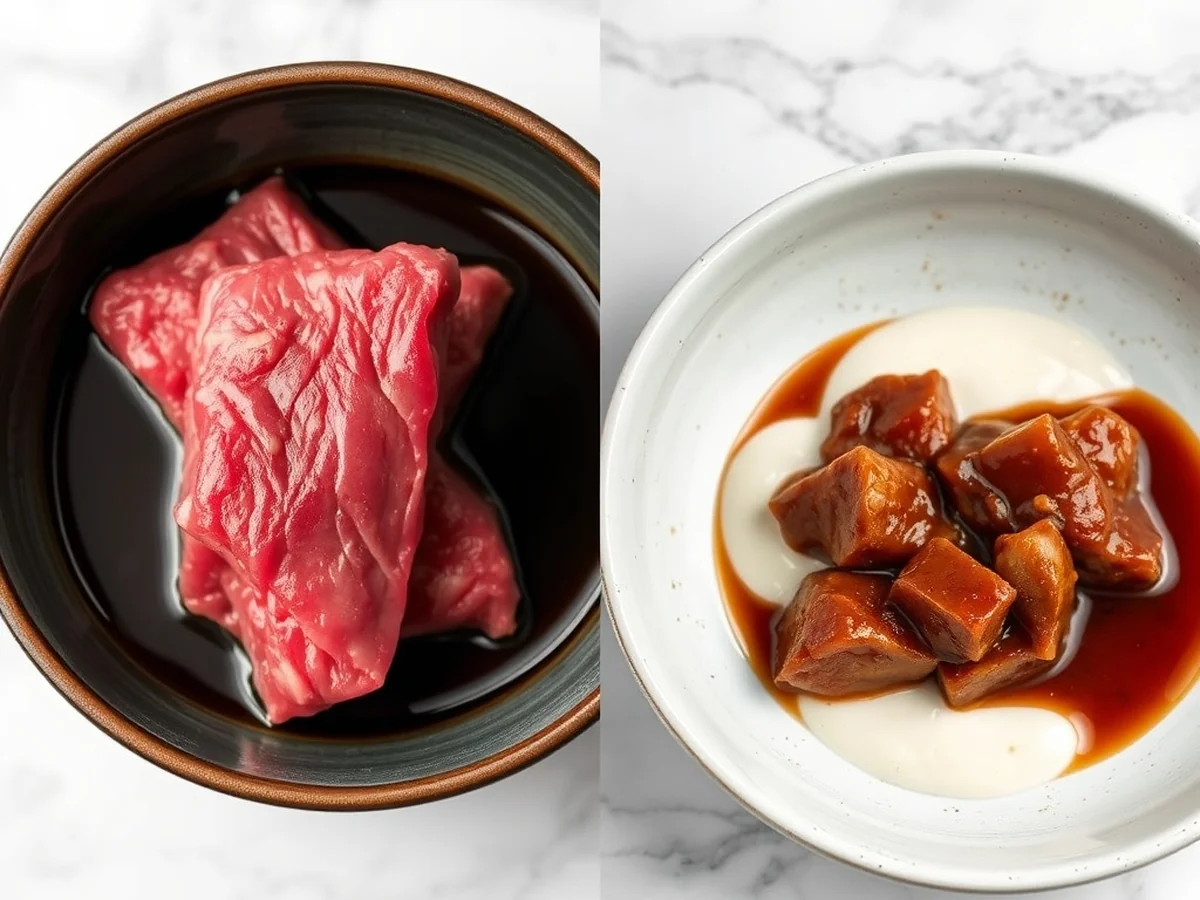
Marinades are applied to raw proteins before cooking to build flavor, whereas finishing sauces are added after to enhance the final dish. Always keep these liquids separate to prevent cross-contamination.
| Attribute | Pre-cook Marinade | Finishing Sauce |
|---|---|---|
| Application | Raw meat only | Cooked dish only |
| Primary Goal | Flavor infusion | Final seasoning |
| Heat Exposure | Cooked with meat | Added after heat |
| Safety | Requires safe handling | Ready to serve |
Use dry rubs when you prefer a crust on your meat, as they draw out less moisture during searing. Liquid mixtures work best when you want to glaze the beef or create a pan sauce. Never use leftover marinade that touched raw meat unless it has been brought to a boil first, as this eliminates potential contaminants.
Common Marinade Mistakes

Achieving the perfect flavor for thin protein requires careful balance, as improper techniques often lead to undesirable textures or overly salty results. When learning how to cook shaved beef, keep these key pitfalls in mind to ensure your meal remains high quality.
- Excessive salt in a marinade can draw too much moisture out of delicate meat strips, resulting in a dry finished dish.
- Leaving thin cuts in high-acid ingredients for extended periods may cause the muscle fibers to break down and become mushy.
- Failing to preheat your cast iron skillet can lead to steaming rather than searing, which prevents a proper crust.
- Overcrowding the pan during high-heat cooking keeps the temperature too low, hindering the development of a savory browned finish.
Maximizing Texture and Tenderness

You can keep thin beef slices tender by using high heat for a brief duration and slicing the meat against the grain. Cooking over high heat triggers the Maillard reaction, a chemical process that creates rich flavor and browning on the surface of the meat. Because shaved beef is thin, it cooks rapidly, which helps preserve its texture.
If you are cutting fresh strips, always look for the direction of the muscle fibers. Cutting perpendicular to these fibers shortens them, making the meat easier to chew. When using pre-cut protein, focus on quick searing to avoid overcooking. These methods are essential for tenderizing thin beef slices, ensuring your skillet meal remains succulent rather than chewy or tough.
Storing Sauces and Marinades
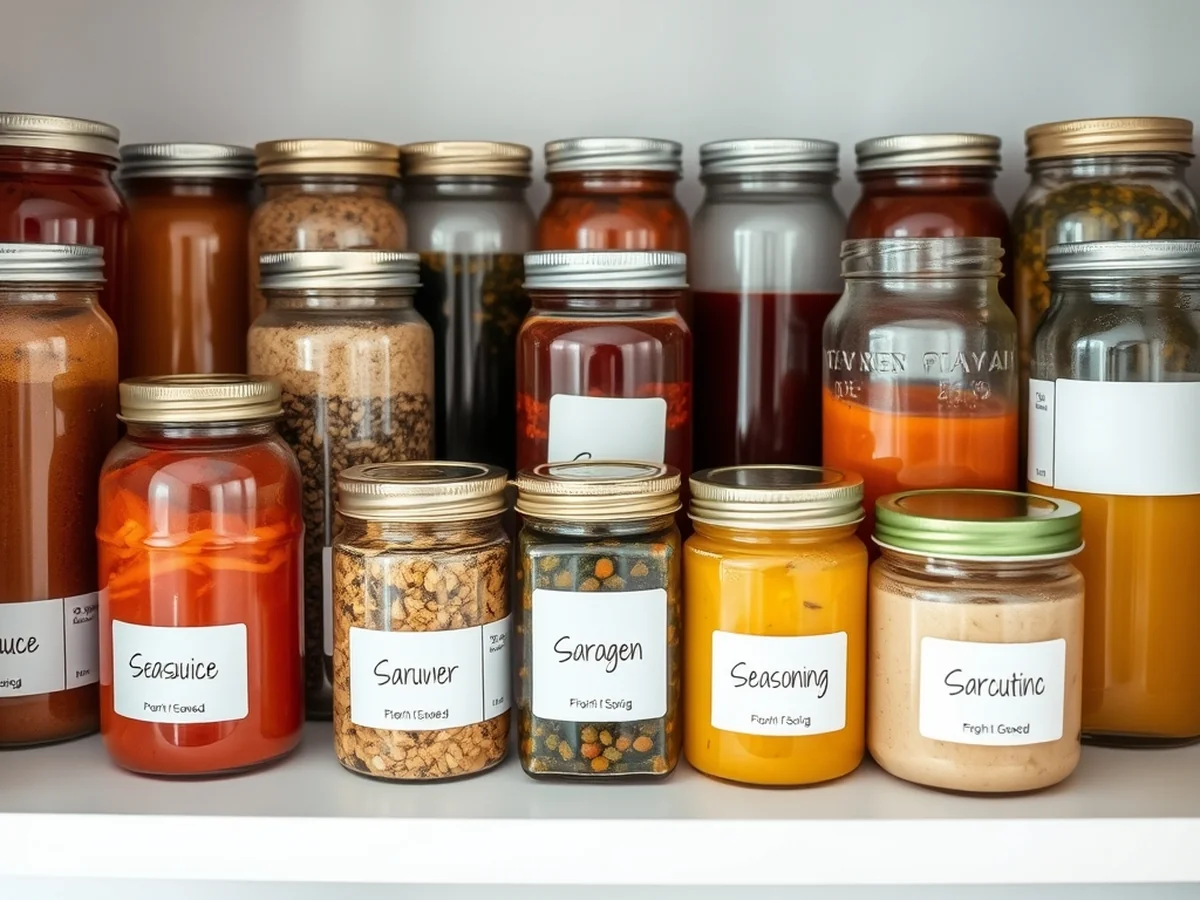
You can store homemade seasoning mixtures in the refrigerator for up to one week if kept in airtight glass or plastic containers. Always ensure your containers are sealed tightly to maintain quality and prevent cross-contamination.
Freezing your prepared shaved beef kits simplifies future weeknight meals while maintaining freshness. For optimal results, follow these preparation steps:
- Combine the meat and your chosen liquid mixture in a heavy-duty freezer bag.
- Squeeze out as much air as possible before sealing to prevent freezer burn.
- Label each bag with the date to ensure you use older portions first.
- Lay the bags flat in the freezer to save space and allow for rapid thawing when you are ready to cook.
FAQ
How long should I marinate shaved beef?
Shaved beef requires significantly less time than thick steaks because the thin surface area absorbs flavor quickly. Aim for 15 to 30 minutes in the refrigerator, as leaving it too long can negatively alter the texture of the meat.
Can I reuse leftover marinade that touched raw meat?
You should never reuse marinade that has been in contact with raw beef unless it is brought to a rolling boil first. To avoid this risk entirely, reserve a portion of your sauce before adding the meat to the rest of the marinade.
What are the best flavor profiles for shaved beef?
Savory umami profiles work best with shaved beef because they complement the natural richness of the meat. Ingredients like soy sauce, garlic, ginger, and toasted sesame oil are popular choices for quick stir fry sauces for thin beef.
How do I keep shaved beef from getting tough?
Preventing tough meat starts with using high heat to ensure a quick sear rather than a long, slow cook. Avoid over-marinating in highly acidic mixtures, which can break down the proteins too much and result in a mushy or undesirable texture.
What is the safest way to store marinated beef?
Always keep your marinating meat in the refrigerator at 40 degrees Fahrenheit or below to inhibit bacterial growth. If you are prepping ahead, keep the meat and sauce in a sealed container and move it from the freezer to the fridge to thaw safely before you cook.
Conclusion
Choosing the right approach depends on whether you prioritize deep flavor infusion or a fast, high-heat sear. Because shaved beef is exceptionally thin, it absorbs seasonings rapidly, meaning you can achieve great results without long wait times. When selecting the best sauces and marinades for shaved beef, consider how the salt content and acidity will interact with the delicate texture of the meat during your quick stir-fry or skillet session. To get started, identify your preferred flavor profile and prepare your beef in small, manageable batches to ensure even cooking and optimal browning. Always maintain proper food safety practices when handling raw proteins, and enjoy experimenting with different combinations for your next 30-minute meal.
You might also like: Easy Shaved Beef Recipes for Quick Weeknight Meals