
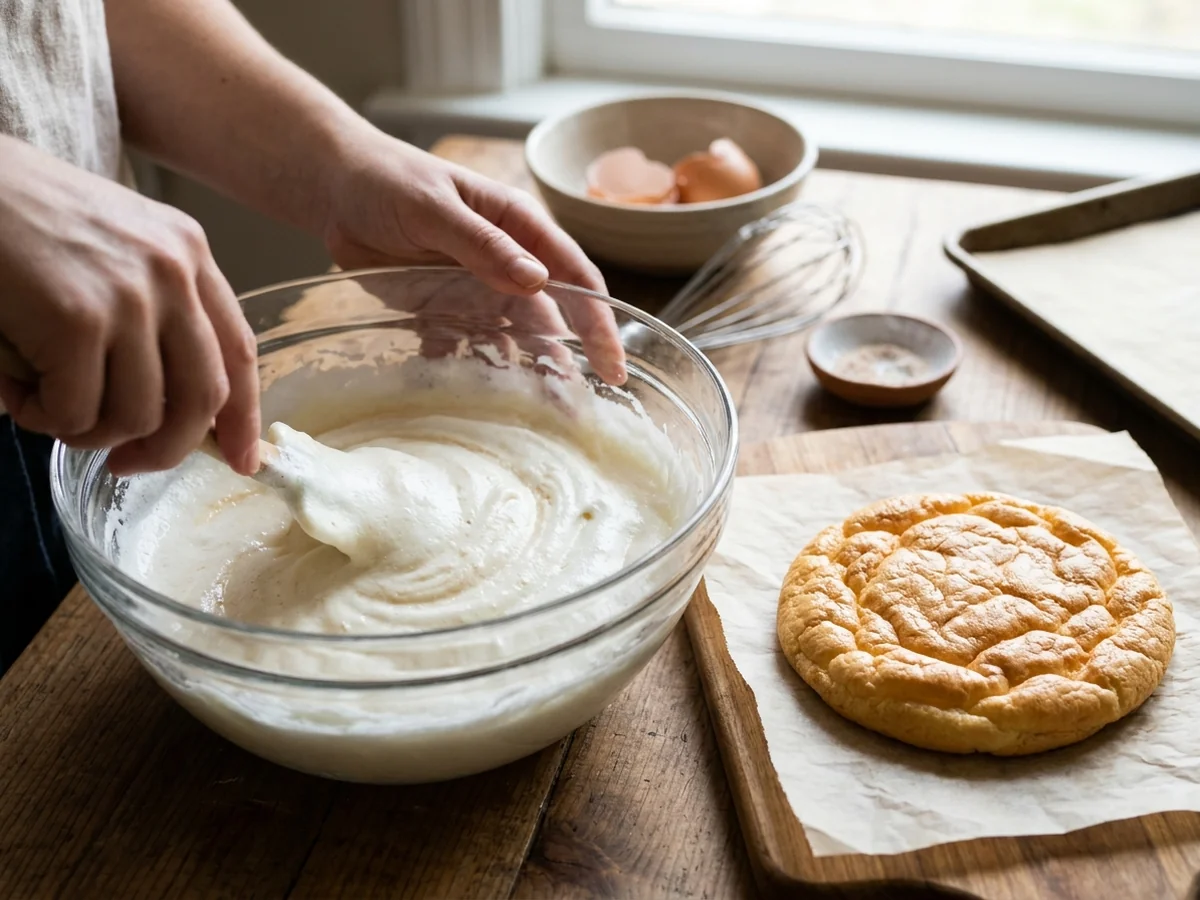
How to Make Easy Fluffy Cloud Bread (3 Ingredients)
Introduction
You can make fluffy cloud bread at home using just a few simple pantry staples and a basic mixing technique. This guide covers the complete ingredient list, step-by-step baking instructions, and practical tips to ensure your batch turns out light and airy every single time.
You will also find helpful troubleshooting advice for whipping egg whites properly, along with simple storage methods for leftovers.
What Is Cloud Bread and Why Is It Popular

Cloud bread is a light, airy baked alternative to traditional loaves that replaces standard flour with protein-rich ingredients. It delivers an exceptionally fluffy texture that distinguishes it from dense traditional baked goods, giving home bakers a unique option for sandwiches and burgers without heavy grains.
Home bakers on low-carb, keto, and gluten-free diets appreciate this airy food because it satisfies bread cravings without wheat. The sponge-like consistency comes from whipped egg whites folded carefully into a rich base. Instead of heavy crumbs, this unique food yields a delicate, pillowy bite that feels weightless on the tongue, making fluffy cloud bread a favorite for lighter meal planning.
The popularity of cloud bread stems from its extreme versatility and low carbohydrate profile. People often seek out a reliable 3 ingredient cloud bread recipe to simplify their baking routine while avoiding grains. Achieving the right texture requires understanding the why behind the steps, as whipping air into the mixture creates that signature rise.
When preparing this treat at home, bakers often run into a few common mistakes that prevent the ideal rise. Overmixing the batter can deflate the whipped whites, resulting in flat and rubbery rounds rather than a pillowy loaf. Another frequent misstep is skipping the proper cooling stage, which causes the delicate structure to collapse. To ensure success, handle the whipped whites with a gentle folding motion using a spatula, and allow the baked rounds to cool completely on the baking sheet before handling them.
Essential Tools for Cloud Bread

Preparing the right kitchen equipment is the first step toward getting that signature airy texture in fluffy cloud bread. Proper tools help whip enough air into the mixture to achieve maximum volume while keeping the delicate batter from sticking to the surface during baking.
Having the correct gear prevents common kitchen mistakes, such as using a bowl with residual oils that can ruin the whipped egg whites. When you use cloud bread with egg white components, every tool plays a specific role in stabilizing the mixture.
- An electric mixer makes quick work of whipping ingredients into the stiff peaks required for light results.
- A clean glass or metal mixing bowl ensures that no oils interfere with the whipping process, which is a frequent pitfall for beginners.
- A baking sheet provides a sturdy foundation for shaping individual rounds before they go into the oven.
- Parchment paper prevents the delicate batter from sticking to the metal surface as it bakes, allowing for easy removal.
- A spatula helps gently transfer the whipped mixture without deflating its hard earned volume.
To get the best outcome when learning how to make cloud bread more fluffy, always double check that your bowls and beaters are completely dry and grease free before starting. Even a tiny trace of fat can prevent the whites from expanding properly.
3 Ingredients for Cloud Bread
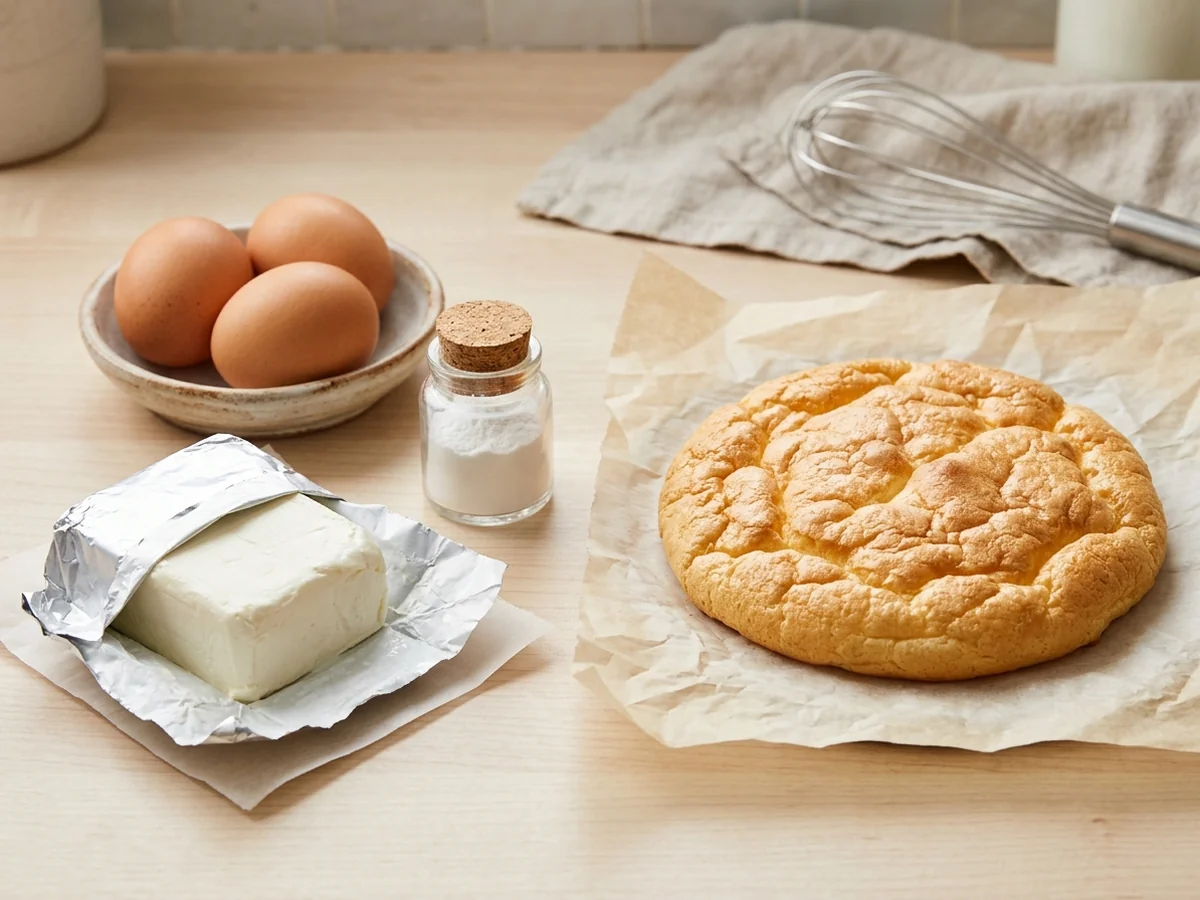
Making a batch of fluffy cloud bread requires just a few basic pantry staples, specifically large eggs, cream cheese, and cream of tartar. These components work together to build a light texture without relying on traditional grain flour or yeast. You can easily pull together a 3 ingredient cloud bread recipe using items already sitting in your refrigerator. Each component serves a distinct purpose in achieving that signature pillowy consistency.
- Large eggs provide both the moisture and the primary leavening power through the separated whites.
- Cream cheese adds richness and a tender crumb to the mixture so it resembles actual bread.
- Cream of tartar acts as a stabilizing agent to keep the whipped mixture from collapsing.
The science behind this technique relies entirely on mechanical leavening instead of chemical agents. Beating the whites incorporates millions of tiny air pockets into the batter. Those trapped air bubbles expand in the heat of the oven and create a structure that holds its shape as it bakes.
Understanding the function of each ingredient helps home bakers avoid common kitchen mistakes. For instance, using cold cream cheese often results in lumpy batter that refuses to blend smoothly with the egg yolks. Softening the dairy item beforehand ensures a uniform consistency. Similarly, avoiding any contact with oil or fat on the mixing bowls and beaters is essential when preparing cloud bread with egg white. Even a microscopic trace of grease can prevent the whites from whipping into stiff peaks, leaving you with a dense, flat result instead of an airy bun.
How to Bake Cloud Bread
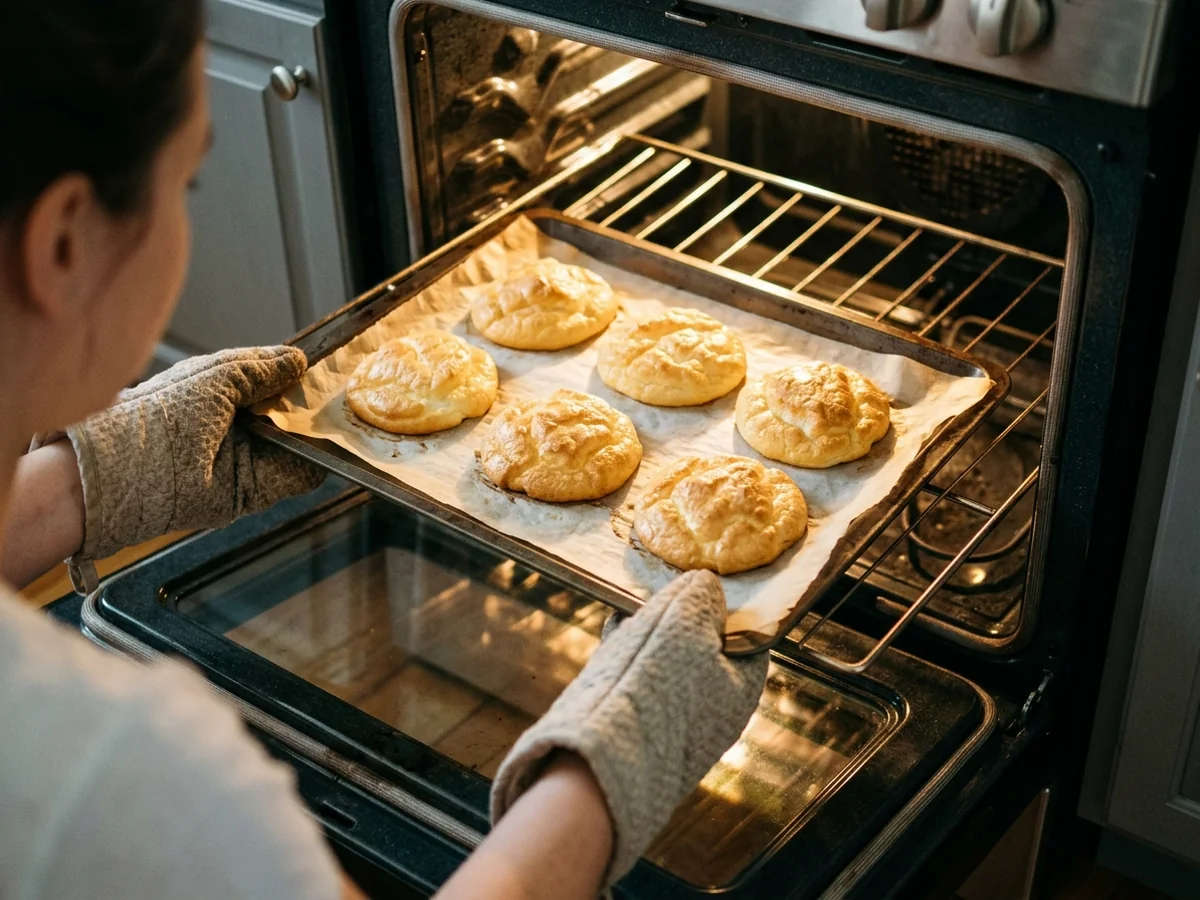
Baking airy, fluffy cloud bread starts with careful preparation, proper mixing techniques, and precise oven management. Common guidance suggests that the oven should be preheated to 350 degrees Fahrenheit or 175 degrees Celsius before any baking begins. This preparation ensures the treats cook evenly and rise properly in the heat.
The method requires separating the yolks from the whites, whipping the whites until stiff peaks form, and gently folding the components together to keep the batter airy. Typically, the prepared mixture is spooned onto a baking sheet in mounds to yield approximately 5 to 6 buns.
Follow these essential steps for shaping and baking:
- Line your baking pan with parchment paper to prevent sticking and ensure easy removal.
- Scoop the whipped mixture onto the lined tray in equal portions, keeping them spaced apart.
- Shape each mound gently with a spoon to create rounded, even circles.
- Bake the mounds until they turn lightly golden and hold their shape.
- Cool the baked items completely on the pan before transferring them.
To achieve the best results when learning how to make cloud bread more fluffy, pay close attention to your egg whites. Overmixing or failing to achieve stiff peaks can cause the batter to deflate before it enters the oven. A common mistake is folding too aggressively, which knocks the trapped air right out of the whipped whites. Always use a gentle, folding motion with a spatula rather than stirring.
According to common guidance, the total baking time is about 30 minutes until the cloud bread is lightly browned. Keep an eye on the oven near the end of the baking window to prevent over-browning. Once removed from the oven, let the baked buns rest undisturbed on the pan until they reach room temperature. Moving them too soon can cause them to tear or collapse while still warm.
Cloud Bread Baking Times and Cues

Typical practice for baking fluffy cloud bread suggests a baking time of about 30 minutes, or until the rounds turn lightly browned. Because this airy bread relies entirely on whipped egg whites for its lift, understanding how to monitor the oven without disrupting the delicate structure is essential for success.
When preparing your baking sheet with parchment paper and spooning out your batter, keep a close eye on the oven during the final five minutes of the baking process. Common guidance indicates that the oven should be preheated to 350 degrees Fahrenheit or 175 degrees Celsius before any pans go inside. Opening the oven door too frequently during this window lets cool air rush inside, which causes the rising buns to deflate prematurely. Using the oven light to check on your sweet cloud bread recipe or savory batches helps preserve the trapped air inside the whipped egg whites.
Common mistakes to avoid when monitoring your baking time include relying solely on kitchen timers without visual checks. Oven temperatures can vary significantly from one kitchen to another, meaning some batches finish slightly faster. Checking your fluffy cloud bread a few minutes early helps prevent burning while ensuring you capture that ideal golden color. If you are learning how to make cloud bread more fluffy, watching the texture develop through the glass window is one of the most reliable ways to master the final step.
Tips for Achieving Maximum Lightness and Height
Achieving maximum volume and lightness when baking fluffy cloud bread comes down to how carefully you handle the whipped egg whites. Because this airy bread alternative relies entirely on trapped air for its structure, preserving that delicate foam requires gentle movements and close attention during every step of preparation. Even small mistakes can cause the batter to deflate before it ever reaches the oven.
Understanding the science and technique behind your ingredients helps prevent common failures. Here is why specific steps matter and how to execute them properly:
- Whip to stiff peaks: You must whip the egg whites until they hold rigid, upright peaks. This ensures the foam contains enough structural trapped air to give your finished buns their signature height.
- Use a stabilizer: Incorporating a stabilizing agent like cream of tartar early in the mixing process strengthens the protein walls around the air bubbles, keeping the foam from collapsing.
- Start with grease-free tools: Ensure your mixing bowls and beaters are completely spotless and free of any oil, butter, or residue. Even a microscopic trace of fat will coat the bowl and prevent egg whites from whipping to their full volume.
- Fold with a gentle hand: When combining the whipped whites with your denser base mixture, switch from an electric mixer to a wide spatula. Stirring aggressively pops the bubbles immediately.
- Use the correct folding motion: Cut straight down through the center of the bowl, sweep your spatula around the bottom, and fold the batter over itself. This incorporates the ingredients evenly while protecting the delicate air pockets.
- Bake without delay: Work as quickly as possible once the components are combined. Leaving the batter sitting on the counter causes the trapped air to escape slowly over time, resulting in flat, dense pieces instead of light cloud bread with egg white structure.
For best results regarding typical practice, home bakers usually preheat an oven to 350 degrees Fahrenheit, or 175 degrees Celsius, while assembling their mixture. Following these handling guidelines ensures your baked goods achieve maximum height and a wonderful texture.
Troubleshooting Deflated Egg Whites and Common Errors

Deflated egg whites usually happen due to bowl contamination or over-mixing, which destroys the delicate air structure needed for a successful batch. Ensuring stiff peaks form successfully requires clean equipment, careful folding techniques, and an understanding of how proteins trap air during preparation.
Fat residue is the main enemy of whipped eggs. Even a tiny trace of oil, butter, or yolk on your mixing bowl or electric mixer attachments will prevent the proteins from bonding and trapping air effectively. Glass or metal bowls are much better choices than plastic ones, because plastic surfaces can retain microscopic traces of grease even after thorough washing in hot soapy water.
Another common mistake happens during the folding stage, where aggressive stirring can cause your whipped mixture to collapse instantly. Instead of using circular motions, use a wide spatula to gently scoop from the bottom and fold the batter over itself. Add any additional elements slowly and incorporate them with minimal motion to protect the volume you built during the whipping phase.
Temperature and timing also play critical roles in keeping your fluffy cloud bread light and airy. If you notice your mixture weeping or separating before it reaches the baking sheet lined with parchment paper, the kitchen environment may be too warm, or the egg whites may have been beaten past the stiff peak stage into a dry, clumpy texture. Aim for glossy, upright peaks that hold their shape without looking grainy.
Flavor Variations and Sweet Cloud Bread Options

Adapting the base mixture for sweet or savory preferences is simple with a few basic kitchen additions. You can easily adjust the flavor profile of your airy baked buns by blending in different seasonings or sweeteners during preparation.
When you want to prepare a sweet cloud bread recipe, you need to incorporate the right type of sweetener into the egg and dairy mixture before baking. Granulated sugar, honey, or low-carb sugar substitutes blend smoothly into the softened cheese base. Mixing in a dash of vanilla extract or cinnamon adds extra depth to the final dessert-style buns.
Here are several ways to customize your baked treats for any craving:
- Stir garlic powder and dried herbs into the batter for a savory side dish that pairs well with dinner.
- Fold in a spoonful of cocoa powder to create a chocolate variation for dessert lovers.
- Sprinkle everything bagel seasoning over the top of the mounds before they go into the oven.
- Add a pinch of cinnamon and nutmeg for a warm, spiced flavor profile.
- Mix in grated cheddar cheese for a rich and cheesy snack option.
- Blend a drop of maple extract into the batter for a breakfast-friendly autumn taste.
Proper Storage and Reheating Methods

Store leftover buns in an airtight container inside the refrigerator to maintain freshness for a few days, or place them in the freezer for longer storage. Because homemade baked goods lack commercial preservatives, proper containment prevents excess moisture from making the delicate texture soggy. Keeping moisture away from the surface is the primary goal when handling homemade fluffy cloud bread after it cools completely on a baking sheet.
Keep frozen pieces separated by sheets of parchment paper so they do not stick together in the container. Thaw individual portions in the refrigerator overnight before warming them up for a meal.
Restore the original texture of your baked goods by placing the buns in a warm oven for a few minutes. Avoid using a microwave for reheating because trapped steam can make the baked product chewy or rubbery instead of light and airy. A common mistake is rushing the process with high microwave heat, which ruins the airy quality you achieve when preparing a sweet cloud bread recipe or a savory batch.
Nutritional Profile and Dietary Information

Understanding the macronutrient breakdown of fluffy cloud bread helps home bakers track their daily intake with confidence. Because this baked dietary alternative serves as a popular low carbohydrate bread replacement, knowing the exact calorie count per serving makes meal planning much simpler. Percent daily values are based on a standard 2,000 calorie diet as outlined by official guidelines, including standards from the USDA Food Safety and Inspection Service.
| Nutritional Attribute | Dietary Fact |
|---|---|
| Calorie Basis | 2,000 calorie diet standard |
| Regulatory Guideline | USDA Food Safety and Inspection Service standards |
| Serving Output | Typically yields five to six individual buns |
Individual dietary needs vary based on your personal health goals and daily activity levels. Checking labels closely ensures you maintain accurate tracking for your specific nutritional requirements. When preparing a 3 ingredient cloud bread recipe or experimenting with flavored variations that include sweetener, keep in mind that portion sizes typically yield five to six buns per batch, meaning you can easily divide your total daily counts.
To make the most of your nutritional tracking, follow these practical steps:
- Calculate totals based on the specific ingredients used in your batch rather than generic estimates.
- Measure individual buns before eating if you need strict macronutrient accuracy.
- Review label guidelines carefully to align your homemade baked goods with your personal health objectives.
A common mistake when tracking homemade bread alternatives is assuming all batches yield the exact same weight. Variations in whipping egg whites or folding ingredients can slightly alter the density of each bun. Monitoring your portions individually provides the most reliable way to stay on track.
Fluffy cloud bread is made of a simple mixture built around whipped eggs combined with soft dairy elements, creating a light and airy texture. To prepare this baked good, separate the egg whites and whip them until stiff peaks form, then gently fold them into a smooth blend of the remaining ingredients without losing the trapped air. Common guidance suggests baking the mixture on a lined baking sheet at a moderate heat until the buns are lightly browned. Typically, baking time is about 30 minutes, resulting in several tender servings that work well as a sandwich bun alternative.
Frequently Asked Questions
What is cloud bread made of?
Cloud bread is primarily made of whipped egg whites combined with soft dairy items like cream cheese or cottage cheese. This unique combination relies on whipped protein rather than yeast to create its signature airy structure.
How do you make cloud bread more fluffy?
Achieving maximum volume requires whipping the egg whites to very stiff peaks and folding them into the base with a light touch. Avoid overmixing, because deflating the whipped whites will result in a flat texture instead of a light rise.
What temperature should the oven be set to?
Common guidance suggests preheating the oven to 350 degrees Fahrenheit or 175 degrees Celsius. This temperature allows the protein structure to set properly without burning the exterior.
How long does the baking process take?
Baking time is about 30 minutes until the cloud bread is lightly browned. Watch the batches closely toward the end of the timer to prevent over-browning.
How many servings does the recipe yield?
Common guidance indicates the typical batch yields 5 to 6 buns. You can easily adjust the proportions if you need a larger quantity for meal prep.
Conclusion
Baking light and airy buns at home comes down to whipping your egg whites until they hold stiff peaks and folding the mixture gently to keep all that trapped air. You can easily master this process on your first try by paying close attention to your mixing technique and watching your oven temperature. Gather your simple kitchen staples today and bake a fresh batch of homemade cloud-like baked goods to enjoy with your favorite meals.
Sources: hsc.unm.edu