
Traditional Brazilian Picanha Steak Grilling Guide
Introduction
Following this brazilian picanha grilling guide allows you to replicate the authentic techniques used to prepare this prized cut at home. You will learn the essential steps to achieve a tender, flavorful steak with a perfectly rendered fat cap.
This article covers the entire preparation process, starting with how to select a quality cut at the butcher and identify it by its common names. It provides clear instructions on seasoning, skewering, and managing grill temperatures to achieve an ideal crust. You will also find practical advice on how to slice the finished steak to ensure maximum tenderness in every bite.
Essential Picanha Grilling Tools

You need a few specialized items to execute an authentic preparation at home. The most important tool is a sharp, long-bladed knife, which allows you to slice the meat cleanly against the grain without tearing the muscle fibers. A high quality cutting board provides the stable surface necessary for precise portioning.
If you prefer the traditional churrascaria style, a set of sturdy metal skewers is essential for rotating the meat over open flames. You will also need the following items to manage the heat and seasoning during your cooking process:
- Long-handled tongs for safe flipping and maneuvering.
- A digital meat thermometer to track internal doneness accurately.
- Quality coarse sea salt for simple, traditional seasoning.
- A charcoal grill or a gas grill equipped with high-heat capabilities to achieve a proper exterior crust.
Understanding the Picanha Cut

Picanha is a prized triangular cut located on the upper portion of the bovine rump. You can identify this specific piece of meat at your local butcher by looking for its distinct layer of fat covering one side and its characteristic lean, dark red muscle tissue.
In many regions, you may find this same cut labeled under different names. If you cannot find picanha explicitly listed, look for a sirloin cap steak or a culotte steak. These cuts are often interchangeable with the traditional Brazilian version.
When selecting your steak, prioritize the following physical traits:
- A thick, uniform fat cap that remains attached to the muscle.
- Firm, white fat rather than soft or yellow tissue.
- Visible marbling throughout the lean meat to ensure moisture and flavor during your cooking process.
Preparing the Meat
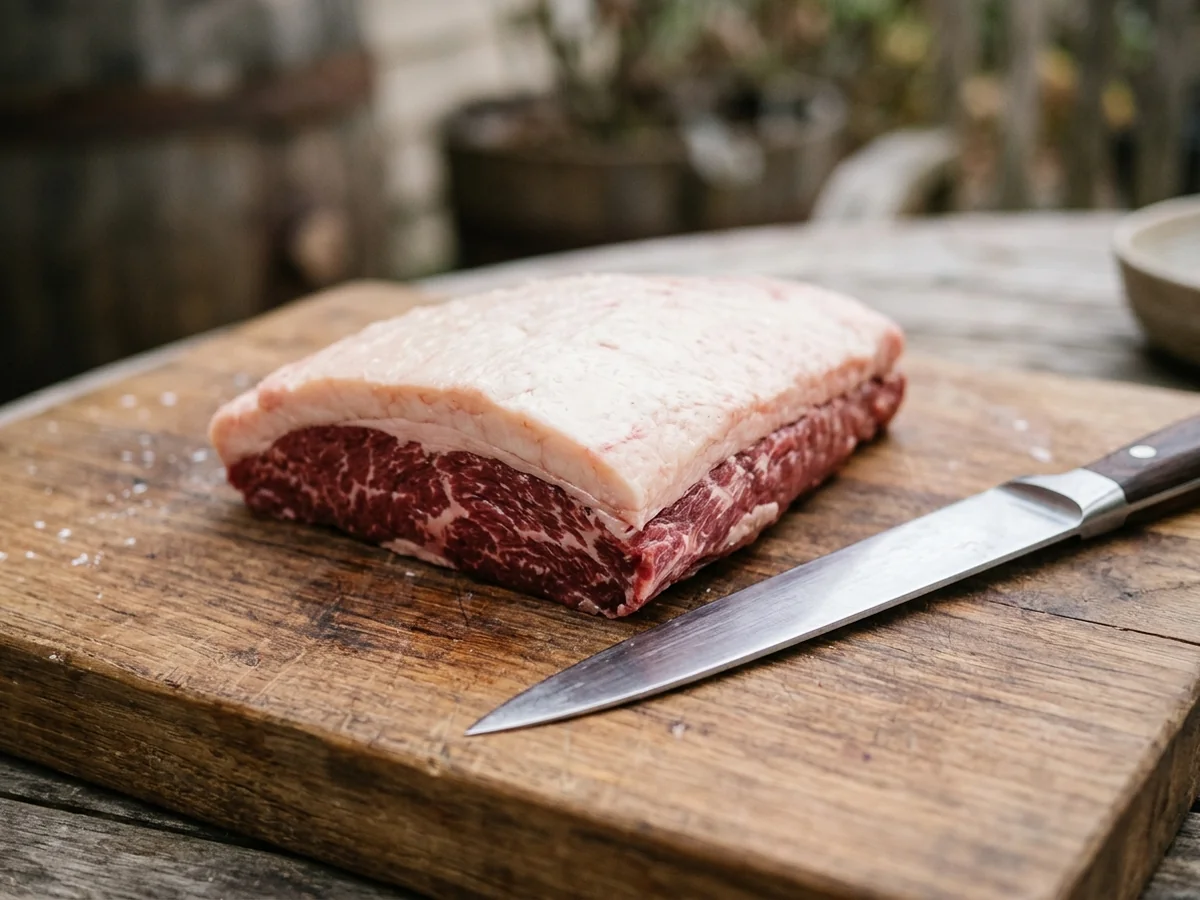
Proper preparation centers on the fat cap, which is essential for keeping the meat moist and adding flavor during the cooking process. Mastering picanha fat cap rendering tips begins with careful handling and precise knife work.
- Keep the fat cap intact to ensure the steak stays tender and develops a rich flavor as it cooks.
- Use a sharp knife to score the fat in a diamond pattern, which helps the fat render more evenly over the meat.
- Always wash your hands and sanitize your workspace thoroughly before and after handling raw beef to maintain food safety.
- Ensure you use dedicated cutting boards for raw meat to prevent cross contamination in your kitchen.
- Keep the beef chilled until you are ready to season it for optimal freshness.
Seasoning for Authentic Flavor
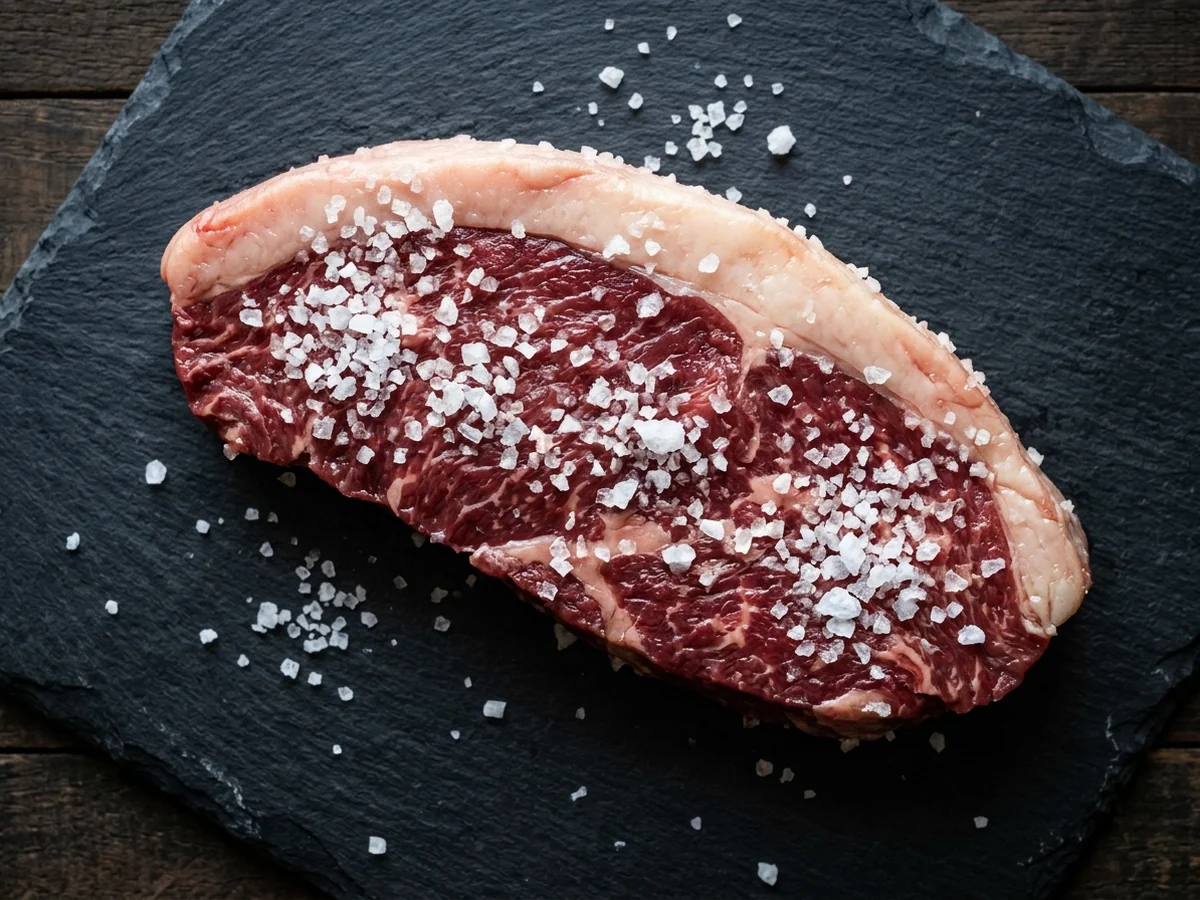
Coarse sea salt serves as the essential, singular seasoning for authentic picanha preparation. By using only this mineral, you allow the deep, natural beef flavor to remain the primary focus of the meal. This approach avoids masking the meat with complex rubs, ensuring that the final result reflects the traditional style found in many churrascaria settings.
Applying the salt at the correct moment is critical for achieving the best seasoning for brazilian picanha. You should generously coat the entire surface of the steak just before placing it on the heat source. Applying salt too far in advance draws excessive moisture to the surface, which can hinder the development of a crisp, browned crust. By timing the application right before grilling, you ensure the meat stays succulent and develops a savory exterior.
Grilling Techniques Compared

Choosing between charcoal and gas grills depends on your preference for wood-fired flavor versus consistent temperature control. Charcoal grills provide intense heat and smoke, which helps develop a deep crust on the beef, while gas grills offer precise heat management for easier monitoring of the fat cap.
| Feature | Charcoal Grill | Gas Grill |
|---|---|---|
| Heat Profile | Variable, intense | Consistent, adjustable |
| Flavor | Smoky, authentic | Clean, neutral |
| Method | Direct or indirect | Multi-zone setup |
Rotisserie skewering cooks the meat evenly by rotating it through heat zones, allowing the fat to baste the steak as it renders. Flat grilling requires careful use of direct and indirect zones to prevent flare-ups while ensuring the center reaches your desired level of doneness.
Perfect Picanha Grilling Temperatures
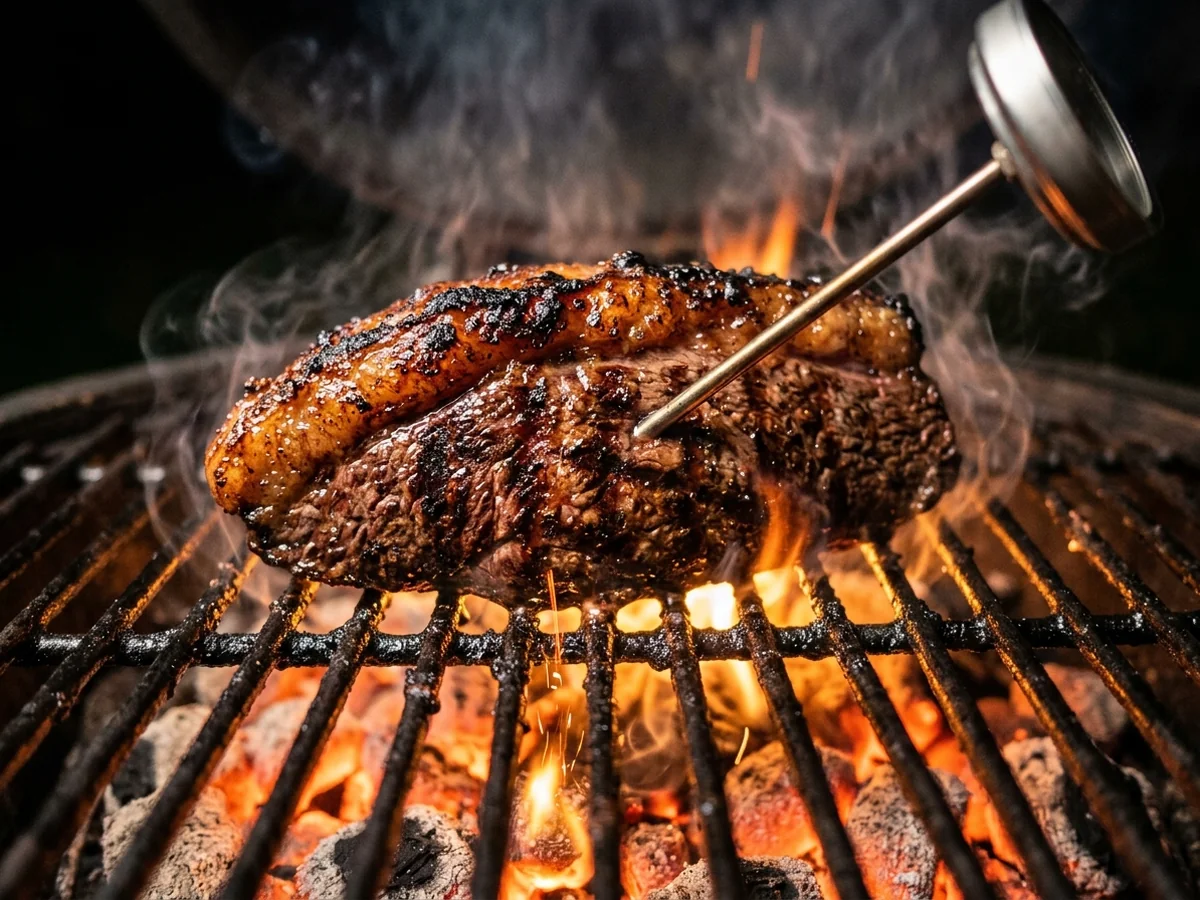
Achieving the perfect result when you learn how to grill picanha at home requires balancing intense initial heat with precise internal temperature control. Start by searing the steak over high heat to trigger the Maillard reaction. This chemical process creates a deep, flavorful crust on the exterior while preserving the moisture within.
Once the crust develops, move the meat to a cooler zone of the grill to finish cooking to your preferred doneness. Monitoring the internal temperature is essential to avoid overcooking this tender cut.
- Aim for an internal temperature of 130 to 135 degrees Fahrenheit for a classic medium rare finish.
- Always let the beef rest for 5 to 10 minutes after removing it from the heat.
- This resting period is vital, as it allows the juices to redistribute throughout the muscle fibers.
Slicing for Serving
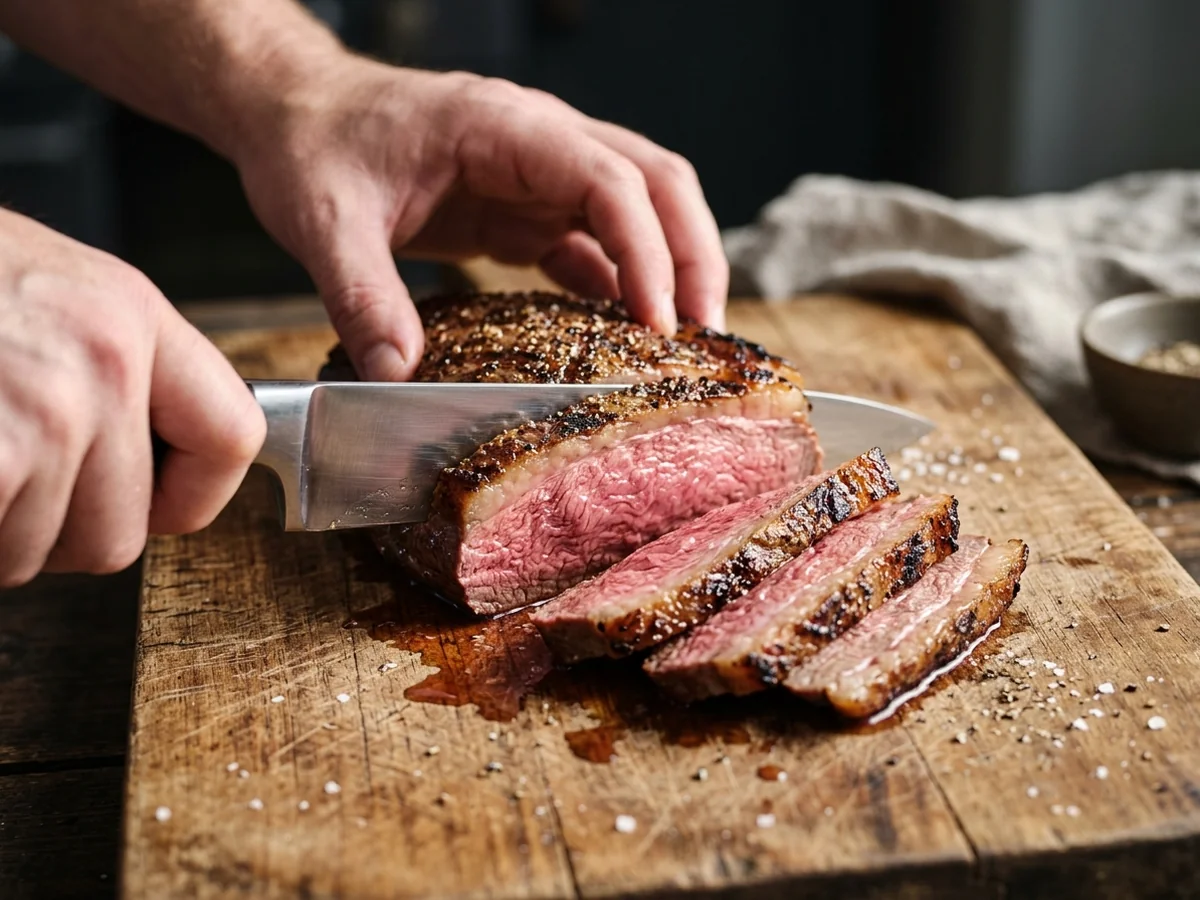
Slice picanha perpendicular to the muscle fibers to ensure each bite is tender. Cutting against the grain shortens the long muscle fibers, which prevents the meat from feeling tough or chewy when eaten.
Aim for consistent slice thickness, ideally about one inch wide. Uniform portions help maintain a similar mouthfeel across every serving. If you are preparing this cut for guests, focus on these techniques for the best results:
- Check the direction of the fibers before your first cut.
- Use a sharp carving knife to make clean, single strokes.
- Keep the fat cap attached to every slice to balance the savory flavor.
Serve the meat immediately after resting to maintain its temperature and moisture. Pair the slices with simple sides to highlight the quality of the beef.
FAQ
What is picanha called in the United States?
Picanha is frequently referred to as sirloin cap or rump cover in American butcher shops. You might also encounter it labeled as a culotte steak when the bone has been removed by the butcher.
Do you leave the fat on picanha?
Leaving the fat cap intact is common practice because it helps baste the meat as it cooks over the heat. Many cooks choose to score this layer in a diamond pattern to encourage even rendering during the grilling process.
What is the best way to cut picanha?
You should slice the meat against the grain once it has finished cooking to ensure maximum tenderness in every bite. If you are preparing the meat for a rotisserie, cut it into thick, horseshoe-shaped strips before threading them onto your skewers.
What internal temperature should picanha be?
Many home cooks aim for an internal temperature of 130 to 135 degrees Fahrenheit to achieve a medium-rare finish. Use a reliable meat thermometer to monitor the progress of your steak as it grills over high heat.
How do I choose a quality picanha at the grocery store?
Look for a cut that features a thick, white fat cap and deep red, well-marbled lean meat. Checking for these visual indicators helps ensure you get a piece of beef that will remain juicy and tender after cooking.
Why is resting the meat important?
Resting the steak for 5 to 10 minutes after it comes off the grill allows the internal juices to redistribute throughout the muscle fibers. This simple step prevents the juices from running out immediately when you start slicing the meat.
Conclusion
Mastering this cut requires attention to the fat cap and careful heat control. By following this brazilian picanha grilling guide, you have the foundational techniques needed to achieve a result similar to a traditional churrascaria. Your next step is to source a quality piece of meat from a trusted butcher and prepare your grill for direct, high heat. Focus on maintaining a consistent flame to properly render the fat while developing a deep, flavorful crust.
You might also like: Traditional Brazilian Picanha Steak Techniques