
Gluten-Free Protein Pancakes Recipe for High-Protein Breakfasts
Introduction
Making a batch of gluten-free protein pancakes is a reliable way to start the morning while supporting active fitness lifestyles. Home cooks and fitness enthusiasts can easily prepare this comforting breakfast by combining wholesome oats and high protein ingredients into a satisfying morning meal.
This guide covers everything you need to know about preparing delicious alternative batters without wheat. You will discover practical preparation steps, helpful ingredient swaps, and expert tips for achieving a tender texture every time.
Understanding Gluten-Free Flour Options and Protein Sources
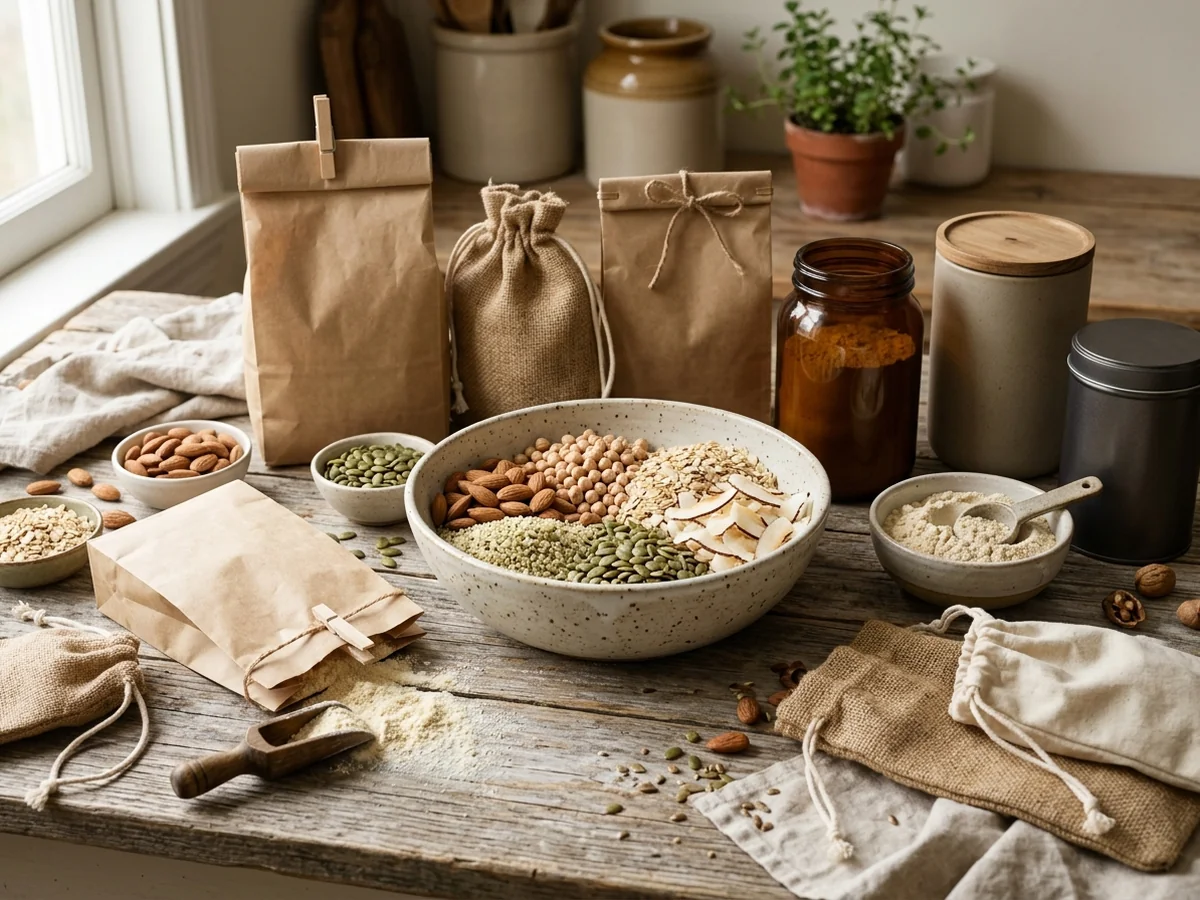
Making a satisfying morning meal requires balancing structure and moisture when you swap out traditional wheat flour for alternative ingredients. Preparing a batch of gluten-free protein pancakes relies on selecting bases that absorb liquids differently while delivering enough fuel to start your day. Home cooks often turn to versatile options like rolled oats, almond flour, and whey protein powder to achieve the right consistency.
Oats, sugar, baking powder, and salt can be processed in a blender until finely ground, creating a smooth base that mimics traditional flour without the gluten. Rolled oats offer a hearty texture and dependable structure, while almond flour brings moisture and a rich, nutty flavor to the pan. Meanwhile, whey protein powder provides a concentrated protein boost, though it requires careful measurement to keep the final product from turning rubbery or dry.
Balancing Alternative Batters
Alternative batters benefit greatly from whole foods that naturally elevate the nutritional profile. Cottage cheese, milk, and eggs provide a high protein content in alternative pancake batters while supplying essential structure and moisture to keep the meal satisfying. Because cottage cheese carries a distinct tang, using 3 tablespoons of sugar helps offset the flavor and balances the overall taste of your gluten-free protein pancakes cottage cheese recipe.
| Ingredient Base | Texture Impact | Protein Contribution |
|---|---|---|
| Rolled Oats | Firm and hearty | Moderate |
| Almond Flour | Dense and moist | Moderate |
| Whey Protein Powder | Light when balanced, rubbery if overused | High |
Managing Moisture and Texture
One common mistake when mixing oat-based variants is ignoring how different powders interact with moisture. Protein powders and nut flours absorb liquids much faster than standard wheat flour, which can lead to a dry or overly dense batter if you do not adjust your milk and eggs accordingly. Letting the mixture sit allows the ground oats to hydrate properly before hitting the hot surface. Using a scone and muffin scoop works well for measuring batter evenly onto a hot cooking surface, which typically operates well when an electric griddle is set to 325 degrees Fahrenheit for cooking pancakes.
Safety and Cross-Contamination Awareness
Safety and label awareness remain critical when cooking for anyone with celiac disease or severe sensitivities. Some standard baking ingredients can be a hidden source of gluten due to cross-contamination during manufacturing. Checking labels carefully prevents unwanted exposure, and choosing products with verified designations ensures your breakfast ingredients meet strict safety standards. When you are ready to cook, pancakes should cook on the first side until golden brown, which takes about 3 minutes. Furthermore, keeping extras on hand is simple, as you can wrap individual portions in freezer-safe materials and preserve them for roughly four weeks.
Essential Ingredients for Gluten-Free Protein Pancakes with Oats
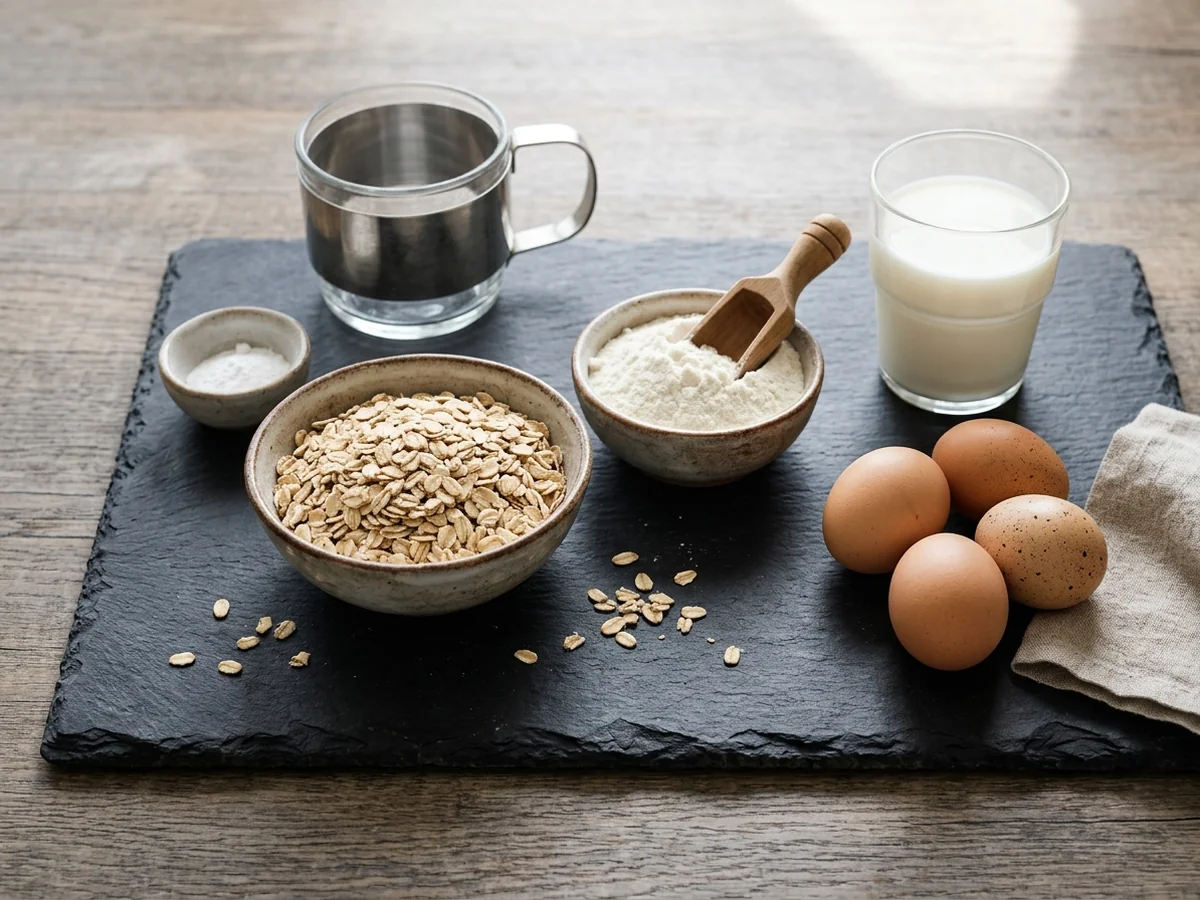
Making delicious gluten-free protein pancakes starts by gathering dependable dry and wet ingredients that form the structure of the batter. Proper measurement ensures the texture turns out light rather than dense, giving you a satisfying breakfast that supports your daily routine and fitness goals.
When selecting your components, remember that some standard baking ingredients can be a hidden source of gluten. Always check product labels carefully to ensure your pantry staples are safe for a gluten-free lifestyle, especially if you rely on oats or baking powders that may experience cross-contamination during manufacturing.
Dry Pantry Staples
The dry mixture provides the structural foundation for your morning meal. Oats serve as the primary whole grain base, providing fiber and a hearty texture without adding wheat. Alongside oats, baking powder gives the batter the necessary lift for a fluffy result, while salt enhances all the surrounding flavors to keep the breakfast savory and satisfying.
Oats, sugar, baking powder, and salt can be processed in a blender until finely ground. This quick preparation step transforms whole oats into a smooth flour consistency that holds together well on the hot cooking surface without requiring traditional wheat flour.
Balancing Flavor and Moisture
Beyond the dry items, cottage cheese, milk, and eggs provide a high protein content in alternative pancake batters. These fresh additions create a tender crumb while boosting the nutritional value of your morning meal. Using 3 tablespoons of sugar helps offset the tang of cottage cheese in high protein pancake recipes. Cottage cheese adds incredible moisture and protein, but its natural acidity requires a touch of sweetness to achieve a balanced flavor profile.
Getting the portion sizes right prevents the batter from becoming too thick or overly runny. Using a scone and muffin scoop works well for measuring the batter neatly onto your griddle every single time, ensuring even cooking across every piece.
Choosing Alternative Flour and Protein Sources
Home cooks looking to vary their breakfast routine often explore options beyond rolled oats. Incorporating ingredients like almond flour or whey protein powder can alter both the texture and macronutrient profile of your dish. When substituting ingredients, keep in mind that alternative flours absorb liquids differently. Sticking to tested ratios helps you craft reliable breakfast stacks that hold their shape and deliver a wholesome start to your day.
How to Make High Protein Gluten-Free Pancakes Without Bananas
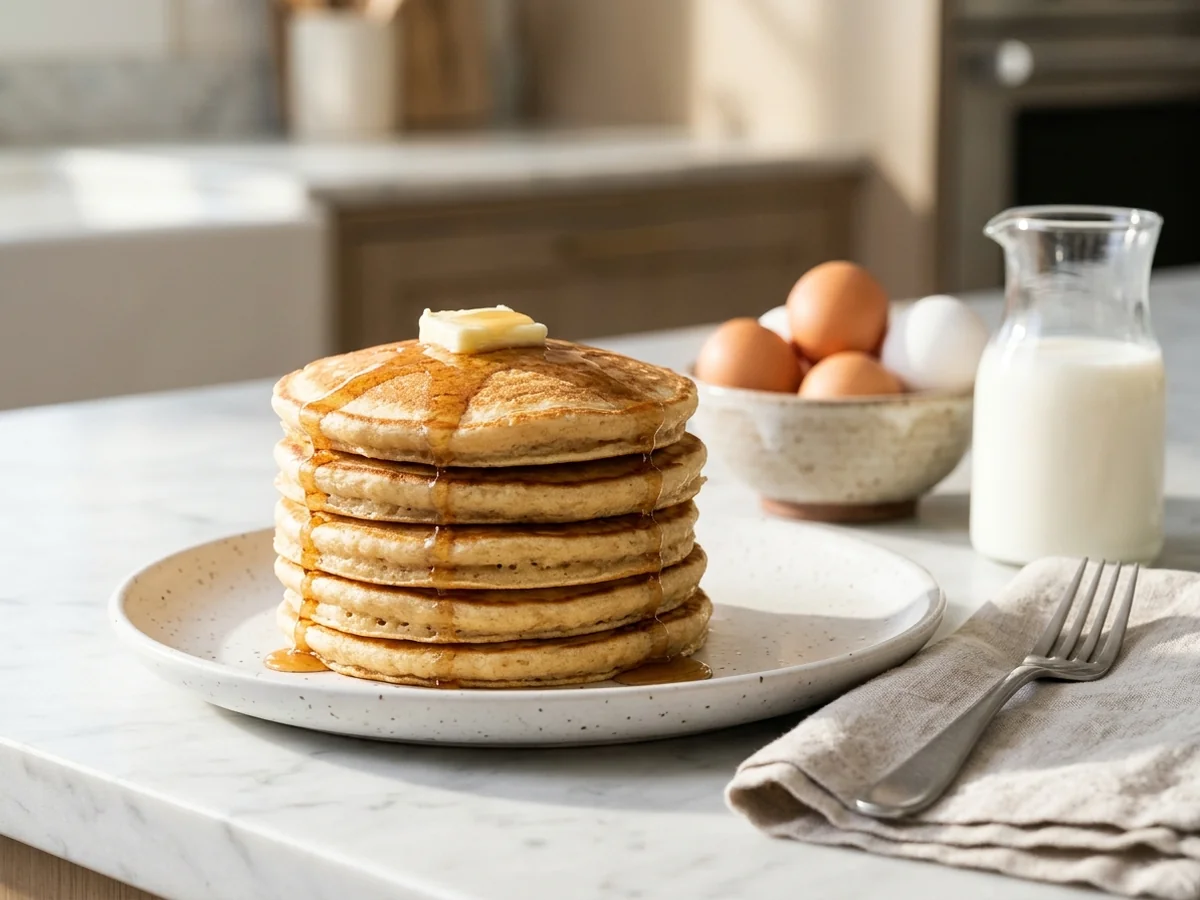
Achieving a fluffy texture for gluten-free protein pancakes no banana involves swapping fruit purees for dairy and whole eggs. Many home cooks prefer avoiding fruit purees because they add unwanted sweetness and dense moisture that weighs down the batter. Instead, focusing on structured ingredients helps create a light and satisfying breakfast.
Cottage cheese, milk, and eggs provide a high protein content in alternative pancake batters while building reliable structure. These ingredients trap air during mixing and cooking so the cakes rise properly, supplying reliable moisture without altering the core flavor of your breakfast. Using 3 tablespoons of sugar helps offset the tang of cottage cheese in high protein pancake recipes, balancing the flavor profile without masking the savory richness of the dairy.
King Arthur Baking standards emphasize that alternative baking requires careful ingredient selection to achieve reliable results. Following established testing guidelines helps home cooks prevent dense or crumbly textures when removing wheat flour from the mixing bowl. Furthermore, some standard baking ingredients can be a hidden source of gluten, making it important to check labels carefully or use certified alternatives.
You can easily prepare gluten-free protein pancakes cottage cheese by blending your wet components until completely smooth before incorporating dry elements. A smooth base prevents curd lumps and ensures a uniform batter consistency. For the dry component, oats, sugar, baking powder, and salt can be processed in a blender until finely ground, as noted in official culinary demonstrations. Using a scone and muffin scoop works well for measuring batter onto a hot cooking surface.
When cooking, common guidance suggests that an electric griddle can be set to 325 degrees Fahrenheit. Pancakes should cook on the first side until golden brown, which typically takes about 3 minutes. To enjoy these breakfast treats later, standard food storage practices recommend wrapping individual cooked portions before placing them in the freezer to keep them fresh for up to one month.
Step-by-Step Cooking Instructions for Fluffy Results
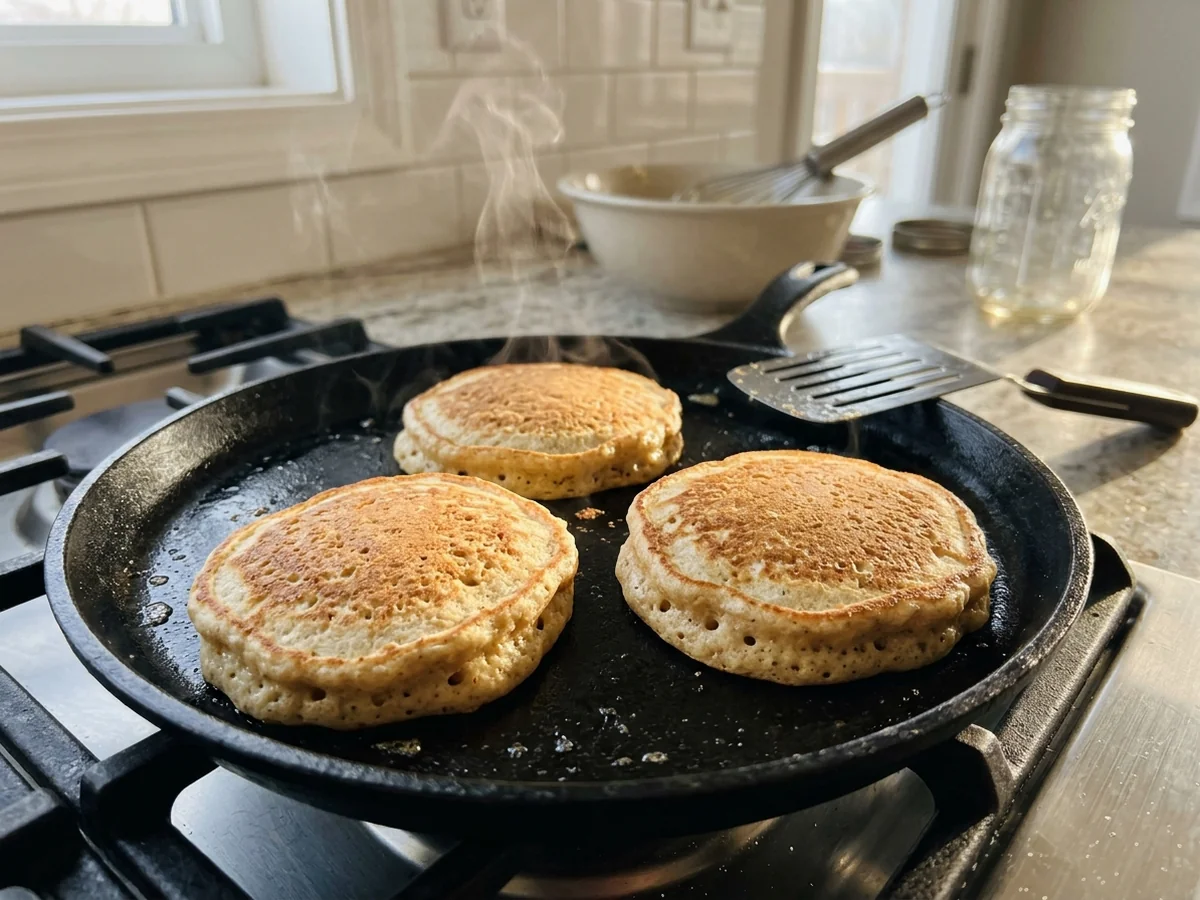
Mastering the technique for cooking gluten-free protein pancakes requires careful temperature regulation and precise timing. Without proper heat control, the exterior can easily burn before the middle finishes cooking through. Selecting the right tools simplifies portioning and ensures uniform batches for your morning meal.
When preparing your breakfast, oats, sugar, baking powder, and salt can be processed in a blender until finely ground to create a smooth base. Using cottage cheese, milk, and eggs provides a high protein content in alternative pancake batters. To help offset the natural tang of cottage cheese, using 3 tablespoons of sugar is a common guidance practice. Home cooks should also remember that some standard baking ingredients can be a hidden source of gluten, so checking labels carefully is essential.
Griddle Setup and Batter Portioning
Achieving light and tender results starts with a properly heated cooking surface. An electric griddle can typically be set to 325 degrees Fahrenheit for cooking pancakes as standard practice. Allow the heating surface to reach a steady temperature before adding any batter.
A scone and muffin scoop works well for measuring batter onto a hot cooking surface so each portion remains even. Place equal amounts of batter onto the griddle, leaving enough space between them for easy flipping.
Cooking and Flipping Techniques
Pancakes should cook on the first side until golden brown, which typically takes about 3 minutes. Flip each piece carefully once edges look set and bubbles begin to form on the surface, then finish cooking the other side until done.
Here are the practical steps to follow for cooking your breakfast:
- An electric griddle can typically be set to 325 degrees Fahrenheit for cooking pancakes as standard practice.
- Allow the heating surface to reach a steady temperature before adding any batter.
- A scone and muffin scoop works well for measuring batter onto a hot cooking surface so each portion remains even.
- Place equal amounts of batter onto the griddle, leaving enough space between them for easy flipping.
- Pancakes should cook on the first side until golden brown, which typically takes about 3 minutes.
- Flip each piece carefully once edges look set and bubbles begin to form on the surface, then finish cooking the other side until done.
Troubleshooting and Storage Guidelines
Avoiding common mistakes helps prevent heavy or dense textures. Keeping the griddle heat moderate stops the outside from cooking too fast. Leaving enough space between portions also allows for a clean turn when flipping.
For long term planning, cooks often wrap extra portions individually and place them in the freezer to keep on hand for roughly a month. This makes batch cooking convenient for busy mornings.
Troubleshooting Gummy or Fragile Gluten-Free Pancakes

Alternative batters often turn out fragile or dense because they lack gluten, which provides structural elasticity in traditional baking. Without this binding network, heavy protein additions can weigh down the mixture and prevent proper rising on the hot surface. Managing your ingredient proportions and preparation steps helps prevent these common kitchen frustrations when making high protein breakfast options using rolled oats or similar alternative ingredients.
Balancing Moisture and Ingredients
Balancing moisture levels requires careful attention when combining wet dairy components with dry elements in your bowl. Cottage cheese, milk, and eggs provide a high protein content in alternative pancake batters, but they introduce a large amount of liquid that can make the batter overly wet. Adjusting your liquid gradually helps prevent a heavy, soggy texture. Using 3 tablespoons of sugar helps offset the tang of cottage cheese in high protein pancake recipes while contributing to better browning. If you notice your mixture feels too thin before cooking, remember that some standard baking ingredients can be a hidden source of gluten, so always double check package labels if you are swapping in commercial mixes or alternative flours.
Mastering Griddle Heat and Flip Stability
Achieving proper flip stability on the griddle comes down to monitoring cook times and heat control. Common guidance suggests that pancakes should cook on the first side until golden brown, which takes about 3 minutes. Flipping too early causes the delicate center to break apart before the structure has set. Using a scone and muffin scoop works well for measuring batter onto a hot cooking surface, ensuring each portion is uniform so they cook at an even rate.
Managing Cooking Temperatures
Managing heat properly is another key factor for success when preparing gluten-free protein pancakes cottage cheese recipes or similar variations. Common guidance indicates that an electric griddle can be set to 325 degrees Fahrenheit for cooking pancakes evenly without burning the exterior while the inside remains raw. Keeping the temperature moderate allows the interior structure to cook through completely before the outside darkens too quickly. For home cooks experimenting with whole grains, oats, sugar, baking powder, and salt can be processed in a blender until finely ground to create a smoother, more cohesive base that holds together much better on the griddle.
Proper Storage and Freezing
When you prepare a large batch for busy mornings, proper storage keeps your breakfast tasting fresh. Common guidance suggests that you can wrap individual portions tightly and keep them in cold storage for roughly four weeks. This makes it simple to enjoy gluten-free protein pancakes almond flour or oat varieties throughout the week without starting from scratch every morning.
Nutritional Breakdown per Serving

Understanding the nutritional profile of these wholesome morning treats helps home cooks align their morning meals with specific fitness or dietary targets. Because macro distributions vary based on the exact ingredients used, reviewing individual components provides clarity on how this breakfast supports daily energy needs. Selecting high-protein breakfast choices helps stabilize morning energy levels and keeps hunger cues in check throughout the morning. Incorporating alternative protein sources into a morning meal also makes it easier to hit daily nutritional goals without relying on traditional grain-heavy breakfasts.
| Nutritional Attribute | Primary Component | General Impact |
|---|---|---|
| Protein Content | Cottage cheese, milk, and eggs | Supports muscle maintenance and provides lasting satiety |
| Carbohydrate Count | Ground oats, sugar, and baking powder | Provides sustained morning fuel for physical activity |
| Gluten Status | Certified alternative ingredients | Avoids standard grain proteins for sensitive individuals |
A key practical step in managing the nutritional quality of these pancakes involves selecting the right base components. Oats, sugar, baking powder, and salt can be processed in a blender until finely ground to form a smooth dry base. Cottage cheese, milk, and eggs provide a high protein content in alternative pancake batters, contributing significantly to the overall macro count per serving. Common guidance suggests that using 3 tablespoons of sugar helps offset the tang of cottage cheese in high protein pancake recipes without overwhelming the flavor profile.
A common mistake when preparing blender batters using whole grains or alternative flours is overlooking hidden sources of gluten in standard baking ingredients. Some standard baking ingredients can be a hidden source of gluten, making it essential to verify that individual components carry appropriate certifications. Furthermore, home cooks should monitor portion sizes carefully to ensure the carbohydrate and protein counts match their specific dietary requirements.
Storage and Reheating Guidelines for Meal Prep
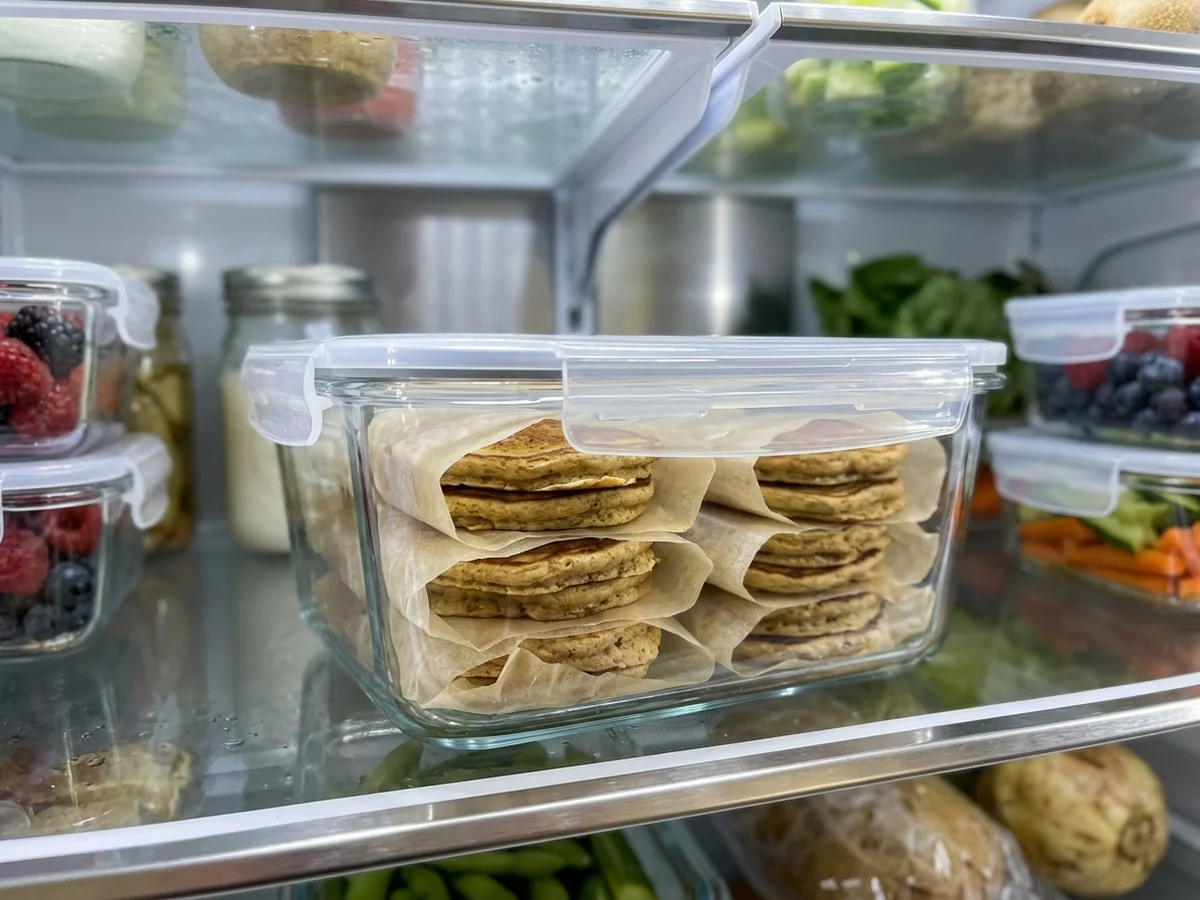
Proper storage ensures your healthy breakfast treats remain fresh and flavorful throughout the week, making batch cooking a practical strategy for busy mornings. When planning ahead, common culinary practice shows that leftover meals can be individually wrapped and stored in the freezer for up to one month without losing their structural integrity.
The cooling process requires careful attention before any packaging takes place. Letting cooked items cool completely on a wire rack prevents condensation from forming inside the storage medium. Trapping steam creates excess moisture, which ruins the delicate texture of your alternative flour treats and leads to a soggy result.
Wrap each cooled portion tightly in parchment paper or aluminum foil before placing the stack inside a heavy duty freezer bag. Squeezing out as much excess air as possible prevents freezer burn and protects the tender crumb during extended storage. Taking these simple steps guarantees that your high protein breakfast cakes taste just as good when reheated as they did on the day you made them.
Reheating frozen portions requires gentle warmth rather than aggressive heat. A quick spin in a standard toaster works exceptionally well for individual portions, restoring the exterior crispness quickly. Alternatively, you can warm frozen portions on a baking sheet in a low temperature oven until heated completely through.
Common mistakes during the reheating process often involve the microwave. Avoid using high microwave power settings because rapid, uneven heating makes these protein-rich breakfast items rubbery and tough. Sticking to low and steady warming methods preserves the pleasant texture provided by nutrient-dense ingredients like rolled oats and cottage cheese.
Frequently Asked Questions About Gluten-Free Protein Pancakes
Are there genuine gluten-free protein pancakes available for home cooking?
Genuine options using alternative flours are entirely possible to make at home using safe ingredients like rolled oats, almond flour, and whey protein powder. Careful label reading is necessary because some standard baking ingredients can be a hidden source of gluten, so choosing certified safe components protects against cross-contamination.
Can I add protein powder to gluten free pancake mix safely?
Protein powder can be mixed into alternative pancake batters quite easily, though adjustments to liquid measurements may be needed to prevent a dry texture. Whey protein powder blends well into these recipes, but adding too much dry powder can make the final texture rubbery.
Do Trader Joe’s protein pancakes have gluten?
Commercial frozen or boxed varieties often contain wheat flour, meaning standard store options frequently contain gluten unless explicitly labeled otherwise. Checking the ingredient panel on specific packaging remains essential for anyone managing celiac disease or severe gluten sensitivities.
How to make high protein gluten-free pancakes?
High protein variations are made from scratch by combining wholesome ingredients such as cottage cheese, eggs, milk, and oats in a blender until smooth. Common guidance suggests that oats, sugar, baking powder, and salt can be processed in a blender until finely ground to form a sturdy base.
Conclusion
Nutritious morning meals rely on wholesome ingredients and simple cooking methods that fit easily into a busy routine. Home cooks can effortlessly experiment with protein rich additions and alternative flours to customize flavor and texture. Whip up a fresh batch of these wholesome morning treats on your hot skillet this week to enjoy a fast and nourishing start to the day.