
Oven Baked vs Fried Milanesa (Which is Healthier?)
Introduction to Traditional Milanesa Preparation
Choosing between oven baked vs fried milanesa comes down to a balance between classic comfort food textures and lighter daily nutrition. This beloved Latin American staple brings families together around the dinner table with its savory appeal and comforting crunch.
Every version starts with the same basic components, featuring thinly pounded meat coated in seasoned bread crumbs and eggs. Home cooks often debate whether the traditional frying method or the oven method yields better results for flavor and health. This guide breaks down the culinary and nutritional differences so you can decide which cooking technique fits your kitchen.
Nutritional Breakdown and Calorie Comparisons
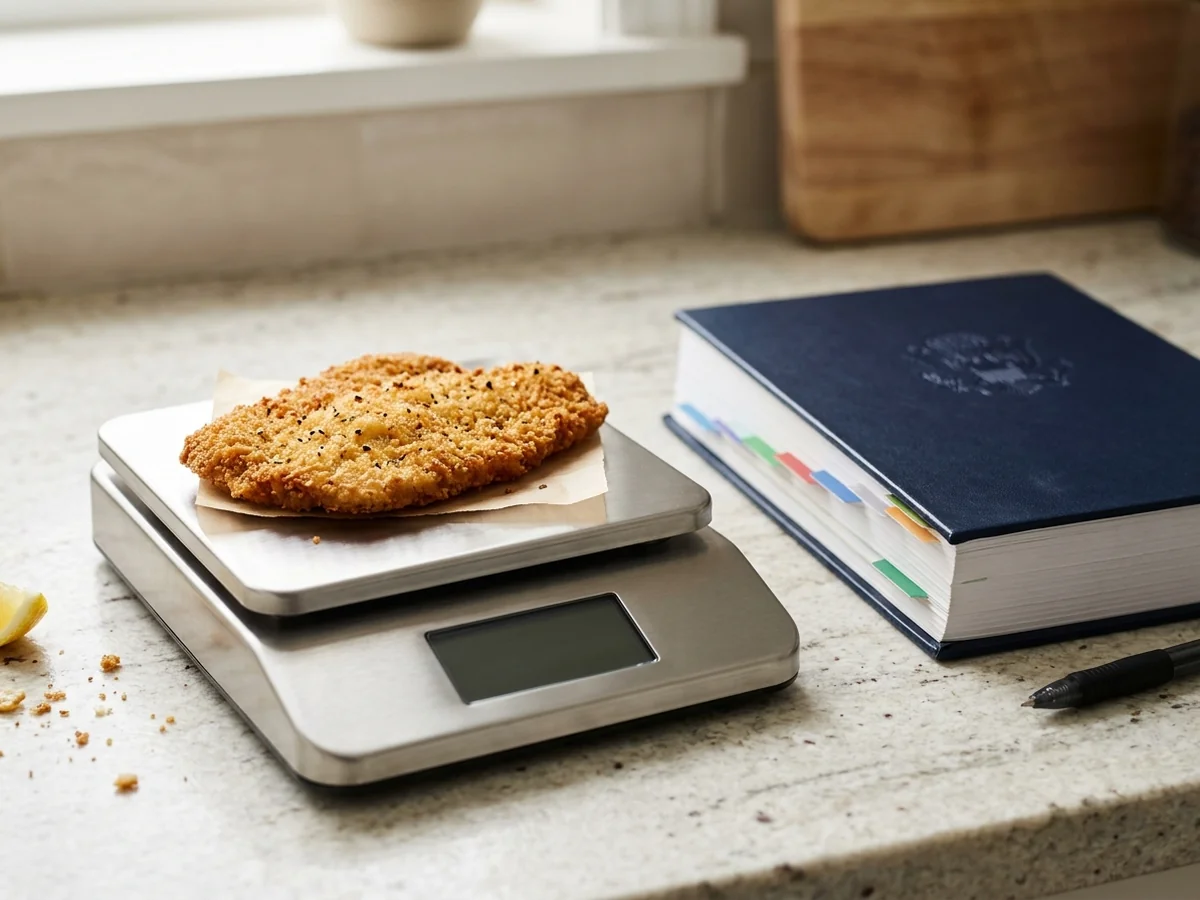
Baking reduces fat absorption because the meat cooks with minimal oil on a baking sheet, whereas pan frying submerges the bread crumbs in cooking oil. Evaluating baked milanesa calories requires looking at standard dietary data references and official metrics from USDA FoodData Central to track energy density accurately.
| Preparation Method | Fat Absorption Level | Primary Cooking Tool |
|---|---|---|
| Oven Baking | Low | Baking Sheet |
| Pan Frying | High | Cast Iron Skillet |
Nutritional Impact of Cooking Fats
Standard dietary tracking helps home cooks calculate exact nutritional totals when preparing a healthy milanesa recipe at home. Comparing these preparation styles shows how small changes in cooking fat drastically alter the final energy content. Using olive oil or other liquid fats instead of heavy saturated options changes the lipid profile significantly.
Texture and Energy Density
Achieving a crispy oven baked milanesa relies on proper heat distribution rather than total immersion in oil. When evaluating how to cook milanesa in oven versus using a cast iron skillet, understanding energy density prevents accidental calorie overages. Bread crumbs absorb cooking fat quickly, making portion awareness essential for balanced meal planning.
Texture and Crispiness: Oven Versus Frying Pan

Frying creates a uniformly golden outer crust with a deep crunch, while a crispy oven baked milanesa develops a lighter texture with varied crispiness depending on oil contact. Immersion in hot oil surrounds the bread crumbs with steady, intense heat that crisps every single grain rapidly. Dry oven heat relies on circulating air and a light coating of oil on a baking sheet, which results in a more delicate exterior crunch.
| Cooking Method | Crust Texture | Moisture Retention |
|---|---|---|
| Frying | Deep crunch | High |
| Baking | Light crisp | Moderate |
Moisture behavior inside the meat differs significantly between these two methods. Submerging the cutlet in hot oil seals the surface almost instantly, which locks juices inside and keeps the interior tender. Dry oven heat cooks the meat more gradually, allowing some internal steam to escape through the bread crumb coating during the longer cooking time.
Ideal Baking Temperatures

Achieving a golden crust without drying out the meat requires balancing high heat with proper timing when learning how to cook milanesa in oven. Proper preparation ensures the bread crumbs brown evenly while the interior stays tender.
- Set the appliance to a high heat level to encourage quick browning on the bread crumbs.
- Warm the baking sheet beforehand so the bottom crust sears on contact.
- Apply a thin layer of oil or cooking spray to the hot surface to promote crispiness.
- Monitor the cooking duration closely to prevent the thin meat cutlets from overcooking.
- Remove the pan promptly once the coating turns golden brown and the interior reaches doneness.
Best Oils for Frying

Refined vegetable oils with high smoke points and neutral flavors work best for stovetop cooking, while olive oil brings distinct taste and good stability for moderate heat. Choosing the right fat ensures your breaded meat achieves an even, golden exterior without burning or developing an acrid taste.
Stovetop frying causes the bread crumbs to absorb significant amounts of cooking oil, which directly increases the total calorie and fat profile of the finished meal. Selecting oils that resist breakdown under heat helps maintain a better balance of flavors on the plate.
Selecting the Right Smoke Point
When preparing a healthy milanesa recipe on the stovetop, using an oil that matches your cooking temperature prevents the fat from smoking and breaking down prematurely. High heat stability keeps the breading intact and prevents unwanted flavors from transferring to the meat.
Managing Oil Absorption
Because breaded cutlets tend to soak up cooking liquids readily during stovetop preparation, maintaining proper oil temperature is essential. If the oil is too cool, the coating absorbs excess grease, while oil that is too hot burns the exterior before the inside cooks through. Draining the finished cutlets on wire racks or paper towels helps remove excess surface fat.
Required Cooking Equipment

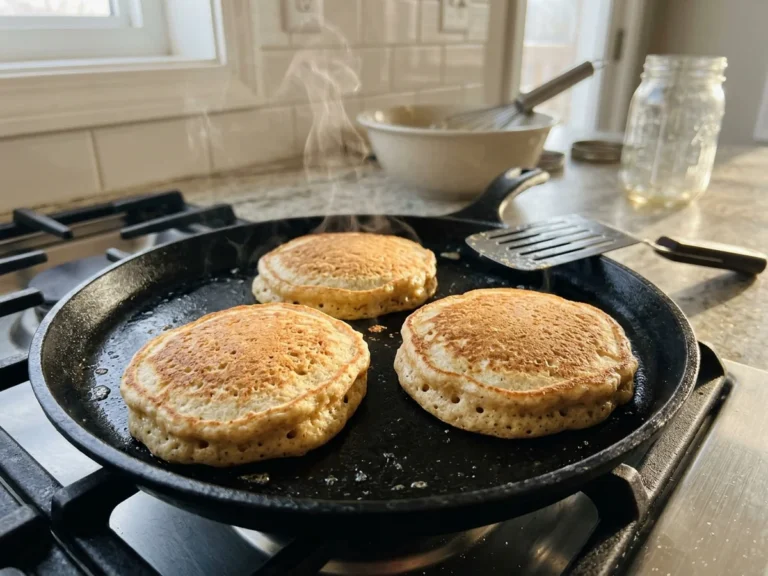
Preparing traditional cutlets requires choosing between a cast iron skillet for the stovetop or a baking sheet with a wire rack for the oven. Each tool shapes the final crust and alters how heat interacts with the bread crumbs.
A heavy cast iron skillet provides superior heat retention, ensuring an even, golden exterior during stovetop frying. This tool holds steady temperatures well, which helps render the oil efficiently for a deeply crunchy texture.
For the oven method, placing a metal wire rack directly on top of a baking sheet allows hot air to circulate underneath the cutlet. This elevated setup prevents the bottom crust from becoming soggy, resulting in a crispy oven baked milanesa without heavy frying oils.
Flavor Profiles and Culinary Outcomes
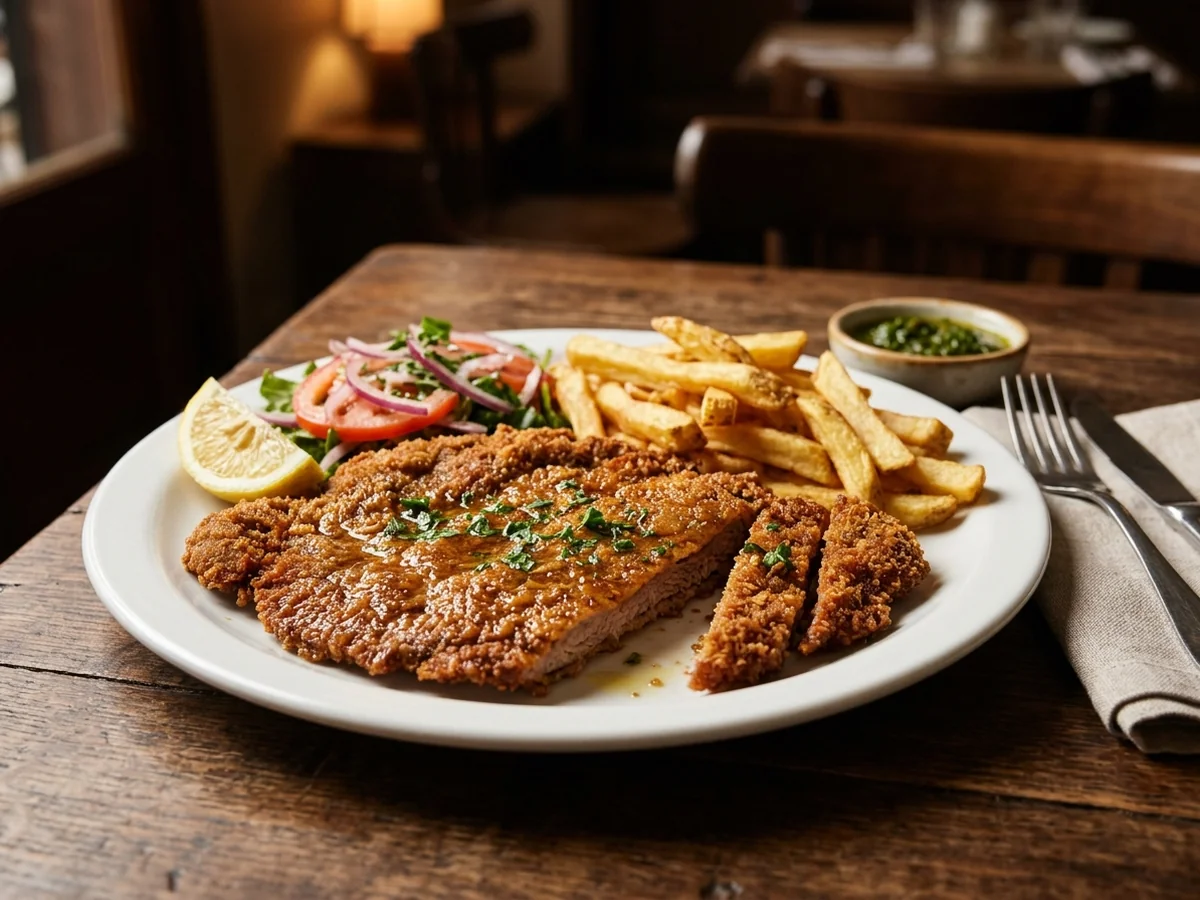
Frying deepens savory notes because the high heat and direct oil contact create rich, browned flavors across the bread crumbs. This cooking method produces an intense crunch and a juicy interior that many home cooks expect from a classic Latin American comfort food.
Baking relies on circulating hot air rather than a bath of fat, so it requires intentional seasoning adjustments to match that depth of taste. You can easily boost flavor in the lighter baked version by mixing dried herbs, garlic powder, or smoked paprika directly into your coating. Olive oil sprays or drizzles also help the surface achieve a satisfying golden color without heavy greasing.
Mouthfeel differs notably between the two styles. The fried dish offers a heavy, rich texture with a distinctly greasy exterior layer. The baked alternative yields a lighter, crunchier bite that lets the natural flavor of the meat stand out clearly.
Frequently Asked Questions About Milanesa
Does baking a milanesa completely eliminate the need for oil?
Baking does not completely eliminate the need for oil, because a small amount is still necessary to help the bread crumbs brown properly. You can lightly brush or spray the coated meat with oil before baking to achieve a golden finish without deep frying. Skipping oil entirely often results in a pale and dry crust that lacks the traditional flavor profile.
How do you store and reheat leftovers to maintain crunch?
Leftovers retain their crunch best when stored in an airtight container lined with paper towels to absorb excess moisture in the refrigerator. Reheating them in a hot oven or a toaster oven rather than a microwave revives the crispy exterior of the bread crumbs. Microwaving creates steam that makes the coating soggy and soft.
What makes a lighter version of this dish different from a traditional one?
A healthy milanesa recipe typically swaps deep frying for oven baking and uses lean cuts of meat trimmed of visible fat. Whole grain bread crumbs and minimal oil also help lower the overall fat content while keeping the dish satisfying. Portion control and serving the meal alongside fresh vegetables complete the lighter approach.
Can you prepare this dish ahead of time?
You can bread the meat several hours in advance and keep it covered in the refrigerator until you are ready to cook. Separate the layers with parchment paper to prevent the coating from sticking or getting smudged. Cooking the meat straight from a chilled state helps the bread crumbs adhere firmly during the heating process.
Which type of meat works best for this dish?
Thinly sliced beef, chicken breast, or pork loin are the classic choices for making milanesa. Pound the meat until it has an even thickness so it cooks uniformly in the oven or skillet. Uniform thickness prevents the edges from drying out before the center is fully heated.
Conclusion
Deciding between oven baked vs fried milanesa comes down to balancing your nutritional goals with your texture preferences. Frying delivers a traditional crunch and rich flavor, while baking offers a lighter meal with significantly less oil. Pick the method that fits your weekly routine and satisfies your craving for comforting Latin American food.
You might also like: Creative Rice Paper Recipes for Easy Snacks & Wraps