
How to Bulk Store and Preserve DIY Spice Blends
Introduction to Preserving Homemade Spice Mixes
Home cooks who want to store and preserve diy spice blends effectively must understand how environmental factors impact quality. Custom seasoning mixes lose their vibrant aroma and flavor when exposed to light, heat, and humidity.
This guide covers practical strategies for keeping large batches of seasonings fresh for months. You will learn about selecting proper containers, blocking moisture, and managing pantry storage conditions to protect your culinary creations.
Selecting the Best Containers for Homemade Spices
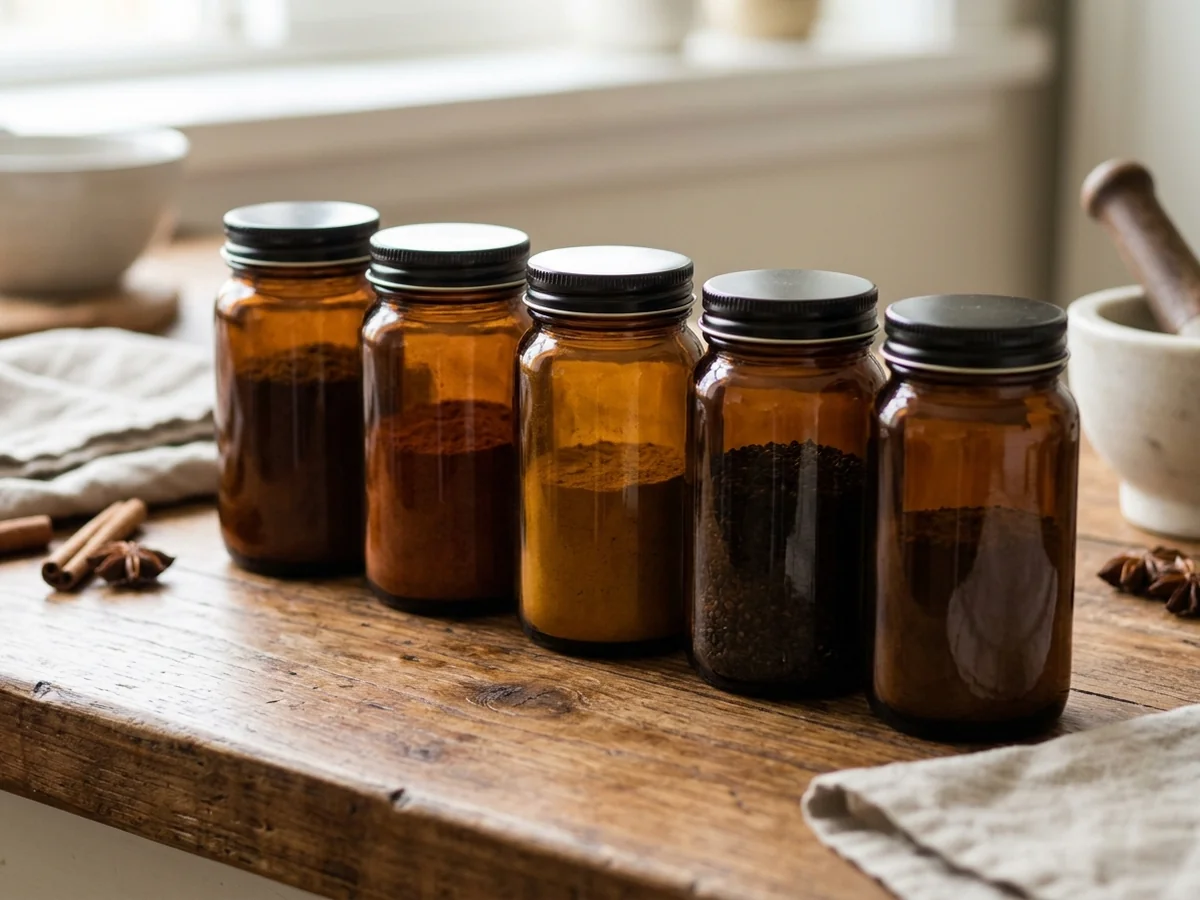
The best containers for homemade spices feature airtight seals and materials that block ultraviolet light to protect flavor and potency over time. Material choice directly impacts how well custom mixes retain their aromatic compounds, as clear vessels let light degrade essential oils while opaque options shield the contents. Selecting proper storage keeps bulk batches fresh for months.
- Mason jars offer reliable airtight seals with two-part metal lids, though standard clear glass requires dark cupboard storage.
- Amber glass jars provide exceptional protection against ultraviolet light while keeping your custom mixes safely sealed.
- Ceramic vessels completely block light and air, but they lack transparency for easy identification of your mixes.
- Plastic containers often absorb strong aromas from heavy seasoning ingredients and may degrade over extended periods.
- Stainless steel canisters block all light and resist shattering, making them durable options for bulk kitchen storage.
Managing Storage Environment Variables for Maximum Flavor
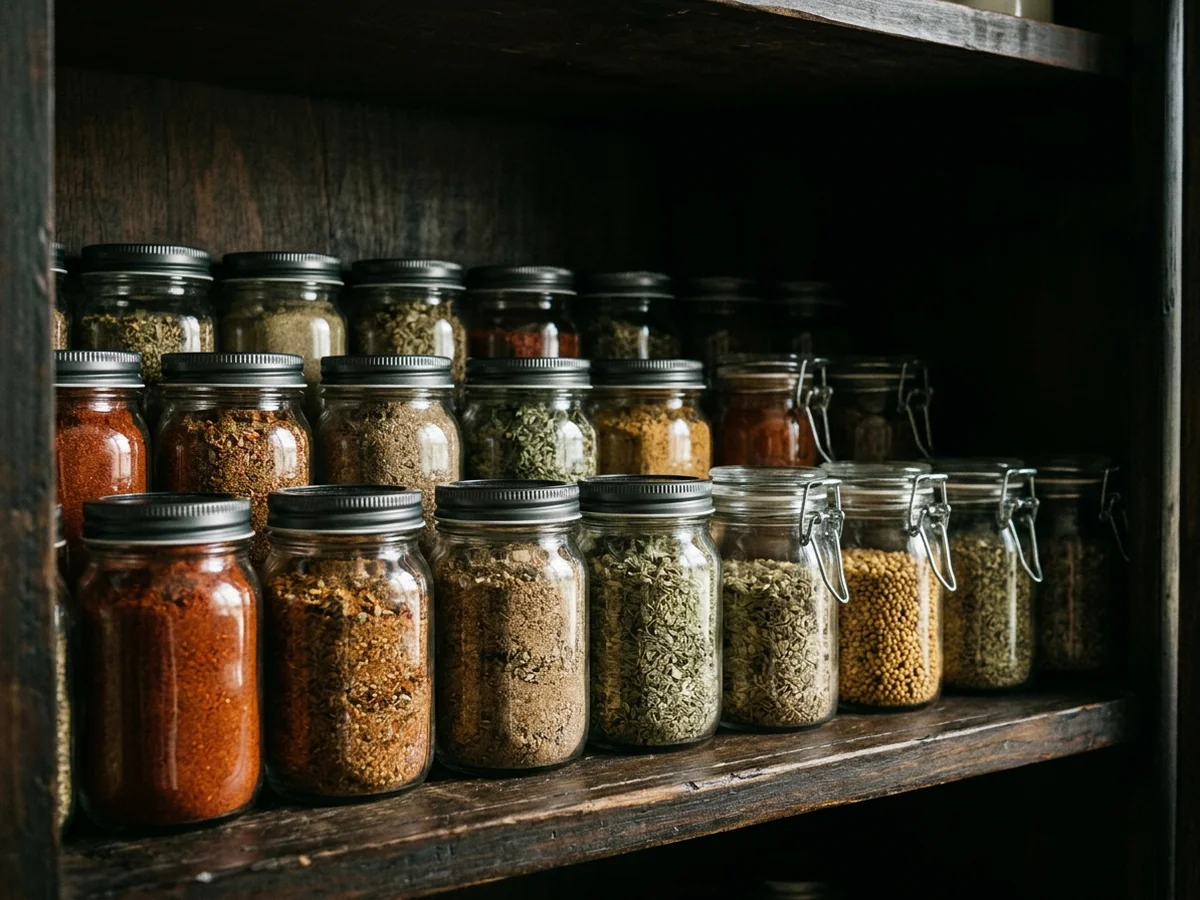
Protecting homemade seasoning mixtures from environmental factors requires keeping them in a dark, cool space that maintains stable temperature and low humidity levels. Ambient warmth and high moisture will quickly degrade the delicate volatile oils that give your seasonings their distinct aroma and taste. When you store and preserve DIY spice blends correctly, you protect your culinary efforts from premature spoilage and loss of potency.
Controlling Light and Heat Exposure
Light exposure breaks down these flavor compounds, which makes transparent containers a poor choice unless kept inside a closed cupboard. Kitchen ranges radiate constant warmth during cooking, so cabinets situated directly above or beside the stove should be avoided entirely when organizing your pantry ingredients. Opt instead for a pantry shelf or a dedicated drawer located far away from appliances that generate heat or steam.
Managing Moisture and Air Quality
Humidity is a primary driver of clumping and flavor degradation in ground ingredients. Keeping lids tightly sealed helps prevent ambient air from circulating through your mixes. If you live in a particularly humid climate, placing small food safe packets inside your storage area helps absorb excess moisture before it reaches your jars. Maintaining a consistent environment ensures your pantry staples remain free-flowing and potent for as long as possible.
Preventing Moisture and Clumping in Bulk Spice Mixes

Preventing moisture in spice jars starts with controlling humidity and keeping air out of your containers. High humidity causes dry seasonings to absorb water from the air and clump together into solid blocks, which ruins the texture of your culinary projects.
Using Dessicants and Vacuum Seals
You can protect your bulk seasonings by adding food-safe silica gel packets directly to your storage containers. These packets absorb excess moisture before it ruins the texture of your custom mixes. Using a vacuum sealer provides even stronger protection by removing oxygen and moisture entirely. A specialized mason jar vacuum sealer attachment creates a tight, airtight seal on standard glass jars, keeping your blends fresh for long term storage.
Choosing the Right Environment
Common mistakes include storing large batches near the stove or dishwasher where steam and temperature fluctuations invite condensation. Home cooks, gardeners, and DIY enthusiasts who make large batches should always store jars in cool, dark pantries away from direct heat sources.
Container Selection
Selecting the best containers for homemade spices prevents humidity from seeping through porous materials. Glass jars with tight gaskets or amber glass jars offer superior protection against ambient humidity while blocking harmful light that degrades flavor compounds over time.
Understanding Shelf Life and Quality for Different Spice Types

Whole ingredients retain their natural oils and flavor compounds significantly longer than pre-ground varieties because their protective outer structures prevent rapid oxidation. Keeping track of homemade spice blend shelf life helps prevent dull flavors in your cooking.
| Spice Form | Primary Characteristic | Longevity Expectation |
|---|---|---|
| Whole Spices | Protected inner oils | Longer lasting potency |
| Ground Spices | Exposed surface area | Faster flavor decline |
| Custom Blends | Mixed ingredient types | Varies by base composition |
Watch for signs of staleness like a faded color, weak aroma, or lack of pungent taste when testing older batches. Powders that clump together tightly often indicate humidity exposure and a loss of peak quality.
Long Term Storage Strategies for Large Batches

Protecting large quantities of homemade mixes requires airtight barriers and steady environmental controls to keep volatile oils intact. Gardeners and enthusiastic cooks handling heavy harvests benefit from dividing bulk supplies into smaller working containers right away. This workflow limits air exposure every time you cook while maintaining the homemade spice blend shelf life over extended periods.
Choosing the Right Vessels
Mastering how to store ground spices long term starts with choosing opaque or dark glass vessels that block sunlight. Amber glass jars or traditional Mason jars with tight rubber gaskets protect your creations from UV rays and oxygen. Avoid clear plastic containers because they allow light penetration and can absorb strong aromas from your mixes over time.
Preparing and Sealing Bulk Supplies
Vacuum sealers remove excess oxygen from primary storage bags before you stash them in a cool, dark pantry. Smaller shaking jars stay on the kitchen counter for daily use while the main bulk supply remains untouched and fresh. When organizing bulk DIY spice mixes, always label each container clearly with the date of preparation so you can rotate your stock properly.
Avoiding Common Pitfalls
A frequent mistake is storing large batches near the stove or dishwasher where heat and humidity fluctuate constantly. Keep your reserves in a dedicated pantry away from appliances. Using clean, completely dry utensils every time you scoop from a container prevents moisture introduction and spoilage in your custom batches.
Organizing and Rotating Your Custom Seasoning Collection
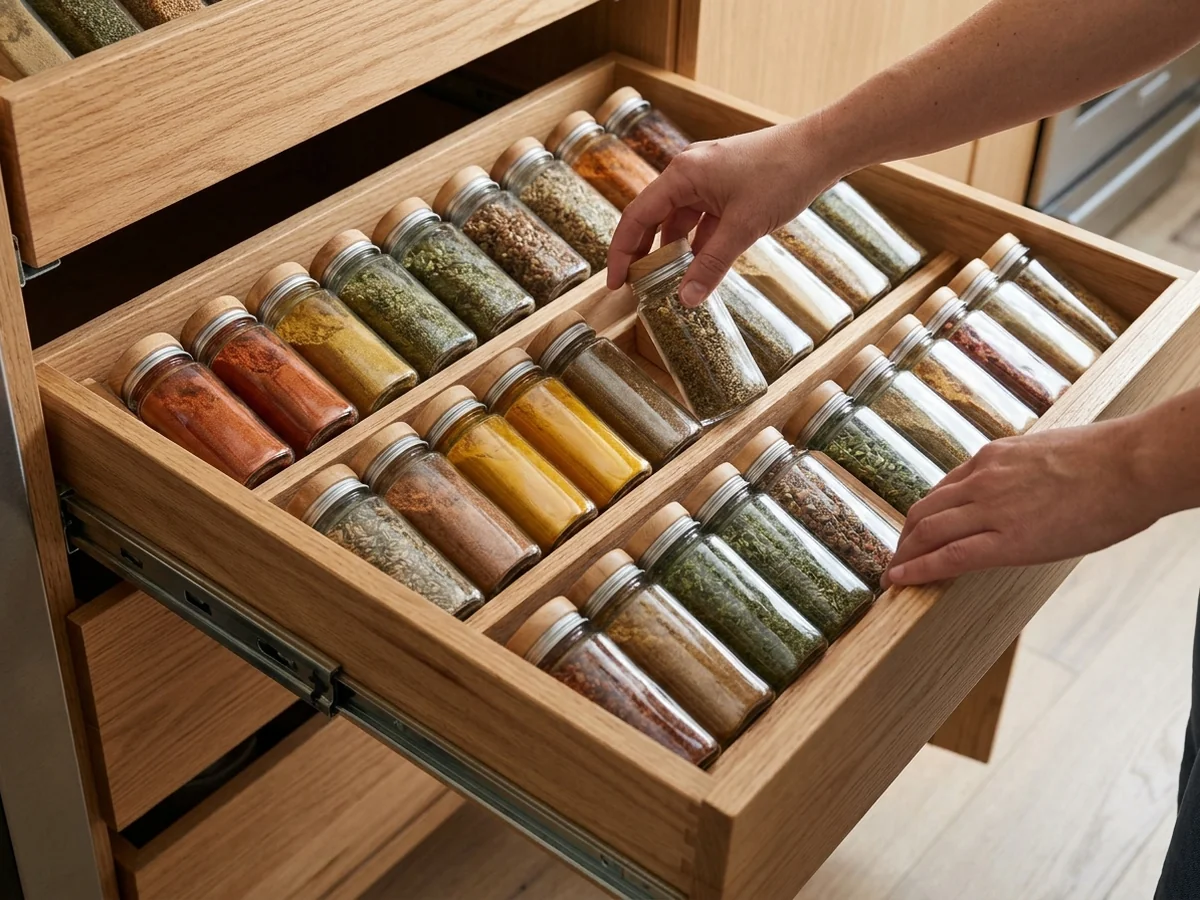
Organizing bulk DIY spice mixes requires dedicated pantry spaces and strict rotation habits to maintain peak flavor. Proper management keeps your kitchen efficient while preventing older seasoning batches from losing their potency in the back of the drawer.
- Group your custom seasoning collection by flavor profile or frequency of use to save time during busy weeknight cooking.
- Apply clear labels containing both the preparation date and a complete list of ingredients to every container before putting it away.
- Implement the first in, first out inventory principle so older seasoning batches get used up before newer ones are opened.
- Store bulk reserves in dark, cool areas of the pantry while keeping daily shakers easily accessible near the cooking station.
- Review your entire collection seasonally to check for lost lids, clumping, or faded aromas that signal a need for replacement.
Frequently Asked Questions About Spice Preservation
How can you tell if a spice blend has spoiled?
Spices rarely spoil in the sense of rotting, but they lose their potency and can develop mold if moisture gets inside. Check your mixes for a lack of aroma, visible clumping, or any signs of dampness before using them.
What do safety regulators say about storing herbs and spices?
Agencies like the Food and Drug Administration and the USDA Food Safety and Inspection Service recommend keeping dried seasonings in clean, tightly sealed containers to prevent contamination. Following these official food safety standards helps protect your pantry from pests and unwanted moisture.
How do you handle temperature swings in the pantry?
Temperature fluctuations cause condensation inside storage containers, which ruins dry ingredients quickly. Keep your mixes away from stoves, dishwashers, and direct sunlight to maintain a stable environment.
Can you revive stale spice mixes?
Gently warming stale seasonings in a dry skillet over low heat can reactivate their essential oils temporarily. This trick works best for whole seeds rather than pre-ground mixes, which lose their volatile compounds permanently over time.
What is the safest way to store large batches of seasoning?
Large batches last longest when divided into smaller, airtight jars while the main bulk stays sealed in a cool, dark cupboard. This practice minimizes how often your primary supply is exposed to air and humidity.
Conclusion for Maintaining Fresh Custom Seasoning Blends
Proper jar selection and strict environmental control keep custom seasonings aromatic and potent for months. Glass containers with tight seals block out humidity, while cool and dark pantries prevent heat and light degradation. Take time to keep homemade culinary mixes safe before your next cooking session. Your everyday meals will taste much better when your pantry relies on fresh, well protected seasonings.
You might also like: Creative Rice Paper Recipes for Easy Snacks & Wraps