
Homemade Taco vs Burrito Seasoning (Key Differences)
Introduction
The primary difference when comparing taco vs burrito seasoning lies in the intended texture and the specific balance of aromatic spices used to coat the ingredients. While both rely on a foundation of chili-based heat, taco seasoning typically focuses on a thinner, sharper profile, whereas burrito blends often incorporate earthy, complex notes suited for heartier, rice-heavy fillings.
This article explores the nuances of these two spice profiles to help you master your own kitchen creations. You will learn how to select essential ingredients for a custom diy taco seasoning recipe, understand the impact of various chili varieties, and discover how to adjust your homemade seasoning mix ratios for consistent, restaurant-style results. Whether you are prepping a quick weeknight dinner or experimenting with deeper flavor profiles, you will find the techniques needed to elevate your skillet meals.
Taco vs Burrito Seasoning Differences
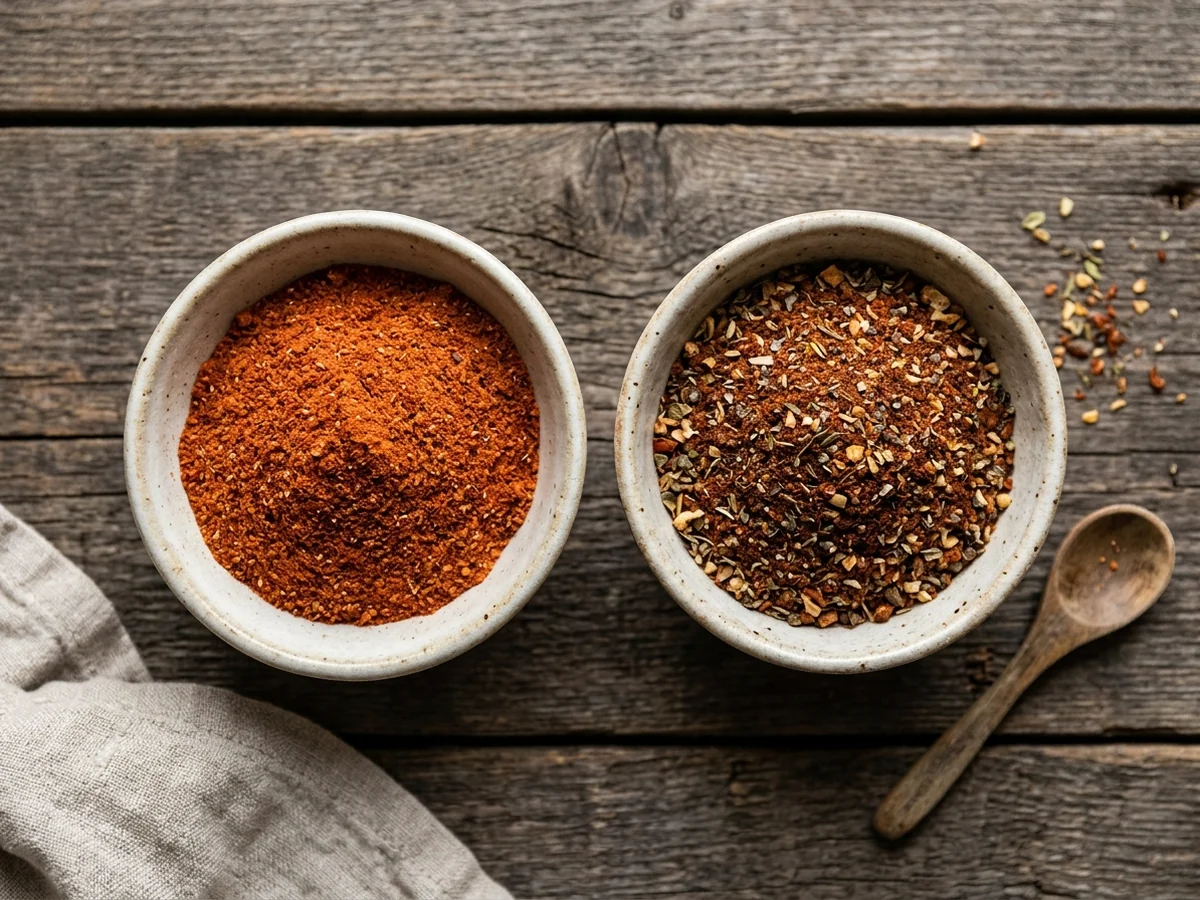
The primary culinary goal for taco seasoning is to provide a concentrated flavor that coats loose ground meat, while burrito seasoning often aims for a more complex profile intended to complement rice, beans, and fillings. Understanding the difference between taco and burrito spices allows you to adjust your blends to suit the texture and density of your dish.
When creating a homemade seasoning mix ratios at home, expect to experiment with different chili varieties and base aromatics. DIY blending gives you control over heat levels and salinity, which are often inconsistent in store-bought packets. Whether you prefer the bright notes of coriander or the earthy depth of toasted spices, preparing your own mixes ensures a fresher result for every skillet dinner.
Comparing Flavor Profiles
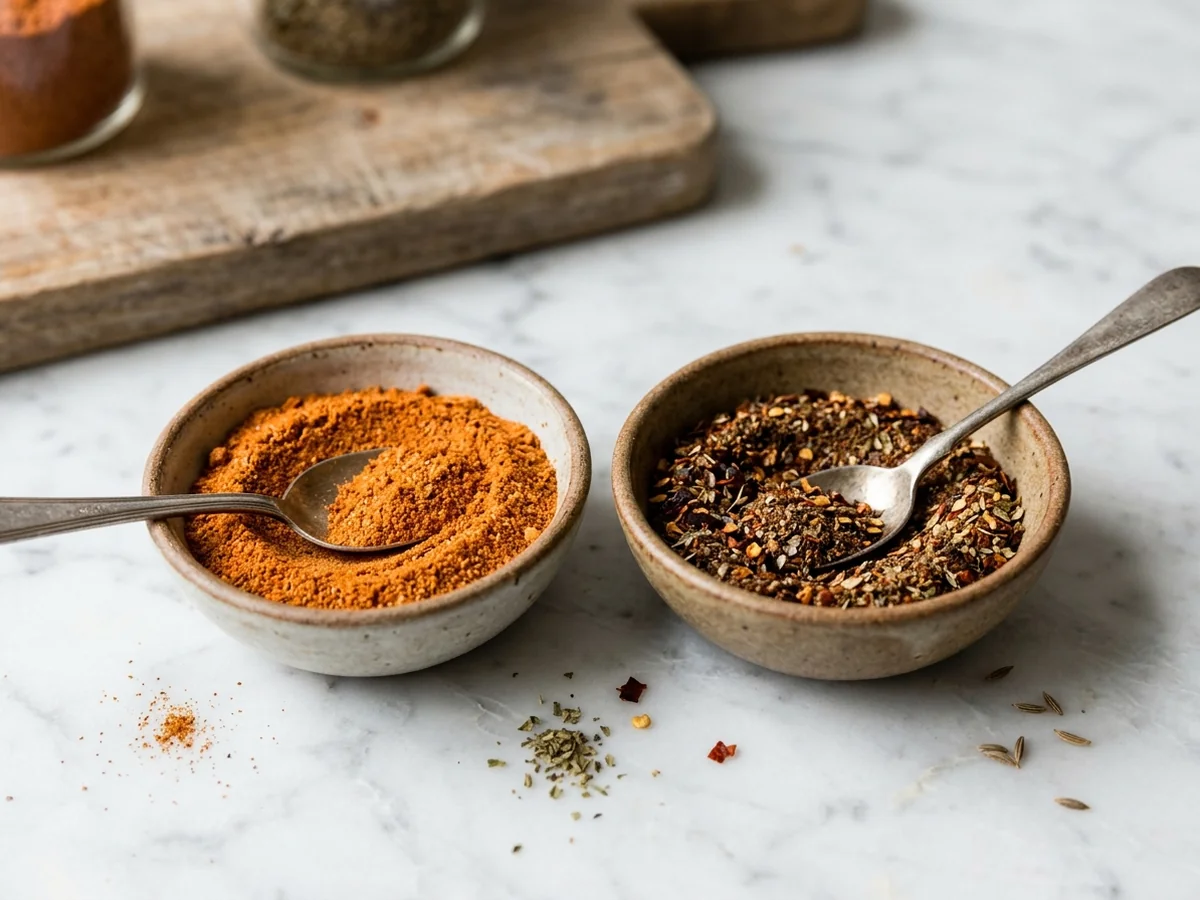
The difference between taco and burrito spices primarily stems from how chili varieties and base aromatics interact with the meal density. While both rely on savory foundations, the choice of chilis defines the final character of the blend.
| Feature | Taco Seasoning | Burrito Seasoning |
|---|---|---|
| Chili Profile | Bright, immediate heat | Deep, fruity, complex |
| Base Notes | Sharp onion and garlic | Earthy and savory |
| Primary Use | Coating ground proteins | Seasoning hearty fillings |
Ancho chilis contribute a raisin-like sweetness, whereas guajillo chilis offer a more vibrant, tea-like acidity. These profiles shift when paired with onion and garlic powder, which act as essential base notes across both styles. Because burritos often contain beans and rice, the spice blend requires higher intensity to maintain flavor through the extra volume. In contrast, taco mixes typically focus on providing a quick, concentrated coating for meat that benefits from a lighter, more direct spice application.
Essential Ingredients for Blends

Creating balanced seasoning mixes relies on a combination of foundational earthy spices and targeted aromatics that define the flavor profile of your dish. While common burrito spice blend ingredients often focus on depth and brightness, taco versions frequently lean into robust, savory notes.
- Chili powder serves as the primary base, providing a consistent foundation of heat and color for most meat preparations.
- Ground cumin introduces an earthy, warm aroma that anchors the overall blend.
- Dried oregano offers a subtle, herbaceous quality that bridges the gap between other savory components.
- Smoked paprika adds a distinct woody depth and complexity to the finish.
- Coriander provides a bright, citrus-like note essential for lifting heavier flavors.
- Salt is necessary to enhance the natural flavors of the protein.
Blending Taco and Burrito Spices

Achieving a balanced homemade seasoning mix ratios requires starting with a base of chili powder, cumin, and onion powder. To elevate your blend, toast your whole spices in a dry skillet until fragrant before grinding them. This process develops deeper, more complex flavor profiles compared to using raw powders.
When cooking meat, proper hydration of your spices is essential to prevent a chalky texture. To ensure the seasoning clings to your protein rather than burning, follow these steps:
- Add a splash of water or broth to the skillet once the meat has browned.
- Stir in your spice blend to create a thin paste.
- Simmer over low heat until the liquid reduces and coats the meat evenly.
Texture Differences in Seasoning Blends

The primary distinction in texture between these spice profiles often stems from the addition of thickening agents and the balance of moisture. While many dry rubs rely solely on ground spices to coat a protein, blends designed for a sauce-like consistency frequently incorporate starch to achieve a restaurant-style finish.
When preparing your own mixtures, you can manage the texture through specific preparation techniques:
- Incorporate cornstarch into your dry mix to create a thickened, glossy sauce once liquid is added to the skillet.
- Sift all powdered ingredients together before storage to break up any naturally occurring lumps.
- Store your finished blends in airtight containers to prevent ambient humidity from causing the spices to clump together over time.
Adjusting Taco and Burrito Heat

Managing heat intensity involves selecting the right chili format and balancing fiery notes with brightness. You can control the warmth of your homemade seasoning mix by understanding how different chili products and balancing agents interact with the other ingredients.
- Powdered cayenne provides an immediate, sharp heat that distributes evenly throughout a seasoning blend.
- Red pepper flakes offer a more textured, delayed heat release due to their larger particle size.
- The Scoville heat scale serves as a useful guide for selecting chili varieties based on their specific pungency levels.
- Dried lime peel introduces a sharp acidity that cuts through intense heat and brightens the overall flavor profile.
- Testing spice ratios in small batches ensures the desired balance between capsaicin intensity and aromatic depth.
Storing Homemade Seasoning Blends

To preserve the potency of your spice blends, store them in airtight containers located in a cool, dark cabinet. Exposure to light, heat, and air accelerates the degradation of essential oils within dried herbs and spices, which quickly diminishes their aromatic intensity.
Using the right storage method ensures your mix remains fresh for as long as possible. Keep these best practices in mind to maintain quality:
- Select glass jars with tight-sealing lids to prevent moisture from entering.
- Avoid placing your spice jars near the stove or oven where heat fluctuations occur.
- Label each jar clearly to track your mixing dates.
Most homemade blends retain peak flavor for six months to one year when kept in optimal conditions.
Common Seasoning Blend Mistakes

Achieving the right balance in your homemade seasoning mix often comes down to timing and ingredient quality. Avoiding these frequent errors ensures your spices enhance the dish rather than overpowering it.
- Adding salt too early in the cooking process can draw out moisture from the protein prematurely and lead to an overly salty finish.
- Failing to bloom your spices in fat for a few seconds before adding liquids prevents the essential oils from fully releasing their aromatic potential.
- Using stale, old spices means you lose the vibrant, nuanced notes necessary for a successful diy taco seasoning recipe.
- Storing your spice blends in light or humid environments degrades their flavor profile and reduces their shelf life significantly.
Common Questions About Seasoning Blends
Understanding the difference between taco and burrito spices helps you customize meals to suit specific flavor preferences. While both rely on a foundation of dried chili powder, cumin, and onion powder, the distinct application of these blends often dictates the final texture and seasoning balance of your skillet dinner.
Can I substitute taco seasoning for burrito seasoning?
You can generally swap these blends, though the flavor profiles may vary depending on the specific ingredients used. Burrito spice blend ingredients often focus on a balance that complements both protein and hearty additions like beans or rice, while taco seasoning is typically designed to coat meat more directly.
What are the best ratios for DIY seasoning?
Creating your own seasoning blends often starts with a base of chili powder and cumin, adjusted to your personal heat preference. Many cooks use salt as a primary component to enhance the flavor of the protein, while adding onion powder to provide a savory base note without increasing the moisture content of the dish.
How do I prevent my spice mix from clumping?
Spices are sensitive to environmental conditions. To maintain potency and prevent clumping, store your blends in an airtight container away from direct sunlight. If you notice your mixture settling, a gentle shake before use typically restores the consistency.
Why does restaurant taco meat have a thicker sauce?
The sauce-like consistency found in restaurant-style dishes is often achieved by including thickeners like cornstarch in the spice blend. When liquid is added to the hot skillet, the cornstarch hydrates and helps the spices cling to the meat rather than settling at the bottom of the pan.
How long do dried spices stay fresh?
Dried spices generally retain peak flavor for six months to one year when stored in proper, airtight conditions. While they remain safe to consume after this period, their aromatic qualities may diminish over time, leading to a less vibrant final dish.
FAQ
Can I substitute taco seasoning for burrito seasoning?
Yes, you can swap these blends in a pinch, as they share many of the same core aromatic ingredients. Keep in mind that a diy taco seasoning recipe may have a different salt-to-spice ratio, so adjust your seasoning gradually when cooking.
What are the best ratios for DIY seasoning?
A good starting point for balancing your own spice combinations is using two parts chili powder to one part each of cumin and onion powder. You can then add smaller amounts of oregano or garlic powder to reach your preferred depth of flavor.
How do I prevent my spice mix from clumping?
To prevent clumping, store your spice blends in a cool, dark place inside an airtight container. If you notice moisture buildup, consider adding a food-safe silica packet or keeping a few grains of raw rice in the jar to absorb excess humidity.
Why does restaurant taco meat have a thicker sauce?
Restaurant-style taco meat often achieves its signature coating by including a starch, such as cornstarch, in the dry spice blend. When liquid is added to the hot skillet, the starch hydrates and thickens the juices into a savory glaze that clings to the protein.
How can I adjust the heat in my burrito spice blend ingredients?
You can control the intensity of your spice blend by carefully selecting your chili varieties or adding ground cayenne pepper. If you prefer a slow-building warmth, incorporate crushed red pepper flakes, which tend to release their heat differently than fine powders.
Conclusion
Choosing between these blends depends largely on your desired flavor profile and the moisture content of your dish. While you can technically swap them, balancing the ratios of chili powder, cumin, and acidic notes will yield better results for specific meals. Determining the best taco vs burrito seasoning requires experimenting with base ingredients to see what suits your palate. Start by mixing small, equal batches of each to compare how they behave when added to your favorite proteins, then adjust the intensity of the heat and depth of flavor to match your cooking style.
You might also like: Creative Rice Paper Recipes for Easy Snacks & Wraps