Easy Brazilian Picadinho Seasoning and Prep Tips
Introduction
You can achieve a balanced flavor profile for your homemade beef stew by using traditional brazilian picadinho seasoning techniques. Mastering the right combination of aromatics and spices ensures your brazilian picadinho seasoning brings out the deep, savory notes expected in this popular home-style dish.
This guide covers the essential building blocks for seasoning diced beef, including how to layer aromatics for a robust base. We will explore how to select the right ingredients to create a rich sauce body and provide tips on balancing acidity and heat. You will also find practical advice on adapting traditional methods to ingredients found in local markets, ensuring your meal remains consistent with the comforting style of comida caseira. By following these preparation steps, you can confidently prepare a flavorful, well-seasoned stew that focuses on technique and quality ingredients.
Brazilian Picadinho Ingredients List

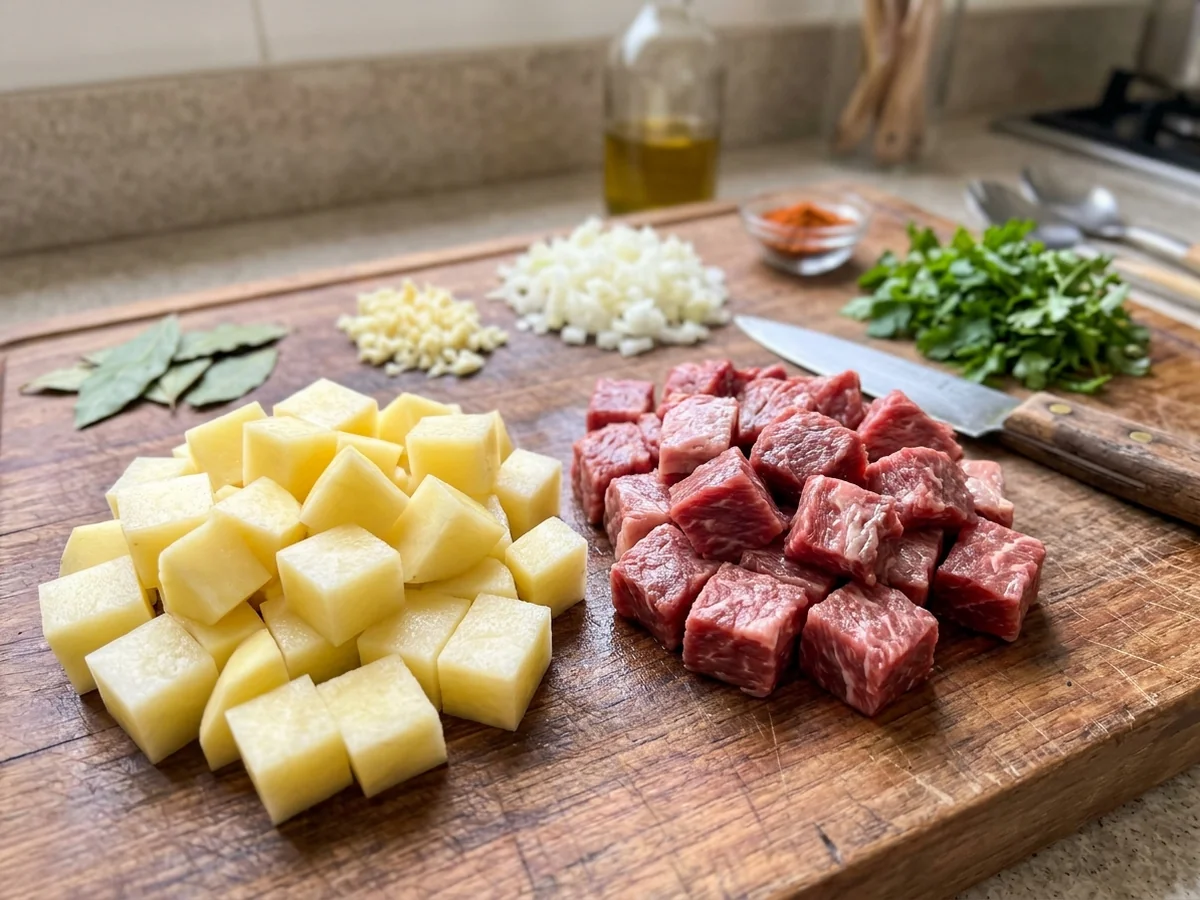
Creating this traditional comfort food, known in Brazil as comida caseira, relies on a savory foundation built from simple, accessible pantry staples. The goal is to develop a deep, rich profile by layering aromatics and liquids that complement the diced beef.
You can achieve an authentic taste by focusing on these essential components:
- A base of finely chopped white onion and garlic to provide the aromatic foundation.
- Diced beef, typically using lean cuts that respond well to slow simmering.
- Tomato paste or fresh chopped tomatoes to create the body and characteristic color of the sauce.
- Beef broth as the primary liquid to tenderize the meat.
- Vegetables like potatoes, which are often cut to a similar size as the beef for even cooking.
- Fresh parsley and scallions added at the end for a bright finish.
Essential Brazilian Aromatics

Onions and garlic serve as the foundational aromatics for many traditional meat dishes in Brazil, providing a deep flavor profile that supports the meat. By sautéing these ingredients until they are translucent and fragrant, you create a robust base that develops the savory character of the meal before any liquid is added.
- Sautéing these aromatics in a hot pan releases essential oils that define the flavor profile of the dish.
- Freshly minced garlic should be added shortly after the onions to prevent burning while ensuring it mellows into the base.
- You can use fresh parsley and scallions as finishing touches to provide a bright, herbal contrast to the rich, slow-cooked meat.
- If fresh herbs are unavailable, dried alternatives like oregano or thyme provide a stable depth of flavor, though they lack the vibrant color of fresh options.
Authentic Brazilian Seasoning Blend
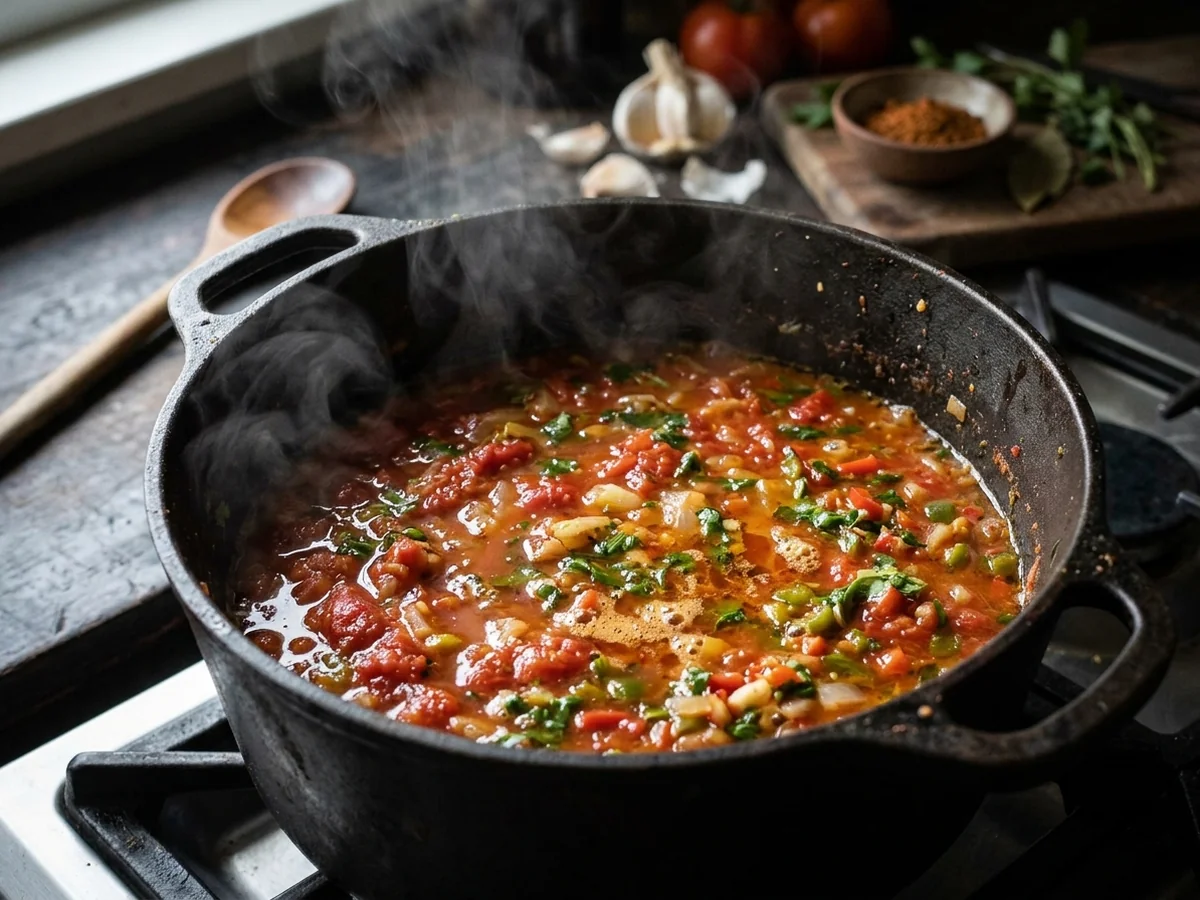
Achieving the right flavor for this beef stew relies on balancing the brightness of tomatoes with savory liquids. By layering acidic elements into your pot, you create a complex sauce that cuts through the richness of the meat. Incorporating tomatoes, whether fresh or as a concentrated paste, provides both color and a necessary tartness that defines the final profile.
Heat and depth often come from peppers like the Malagueta, which adds a distinct, sharp kick. If you cannot find this specific variety, you can use serrano or bird eye peppers as suitable alternatives to mimic that signature heat. These components work together to enhance the overall depth of the stew:
- Aromatics like onion and garlic provide the foundational savory base.
- Beef broth serves as the primary liquid to tenderize the meat during simmering.
- Fresh herbs added at the end brighten the heavy, slow-cooked flavors.
Seasoning for Richer Sauces

Achieve a glossy, full-bodied sauce by utilizing the natural starches in potatoes rather than relying on flour. When you dice potatoes to a size matching your beef, the friction during simmering releases starch that thickens the liquid naturally. This method maintains a clean flavor profile that allows the meat to shine.
Reduction serves as the primary tool for intensifying the flavor of your base. By simmering the liquid uncovered for the final portion of the cooking time, the water evaporates, leaving behind a concentrated essence of your aromatics and juices. This concentrated liquid clings better to the meat, providing a polished finish.
- Control the texture by removing the lid early to encourage evaporation.
- Ensure even consistency by stirring gently to integrate the released potato starch.
- Balance the depth by adjusting salt only after the reduction is complete.
Selecting The Best Meat Cuts
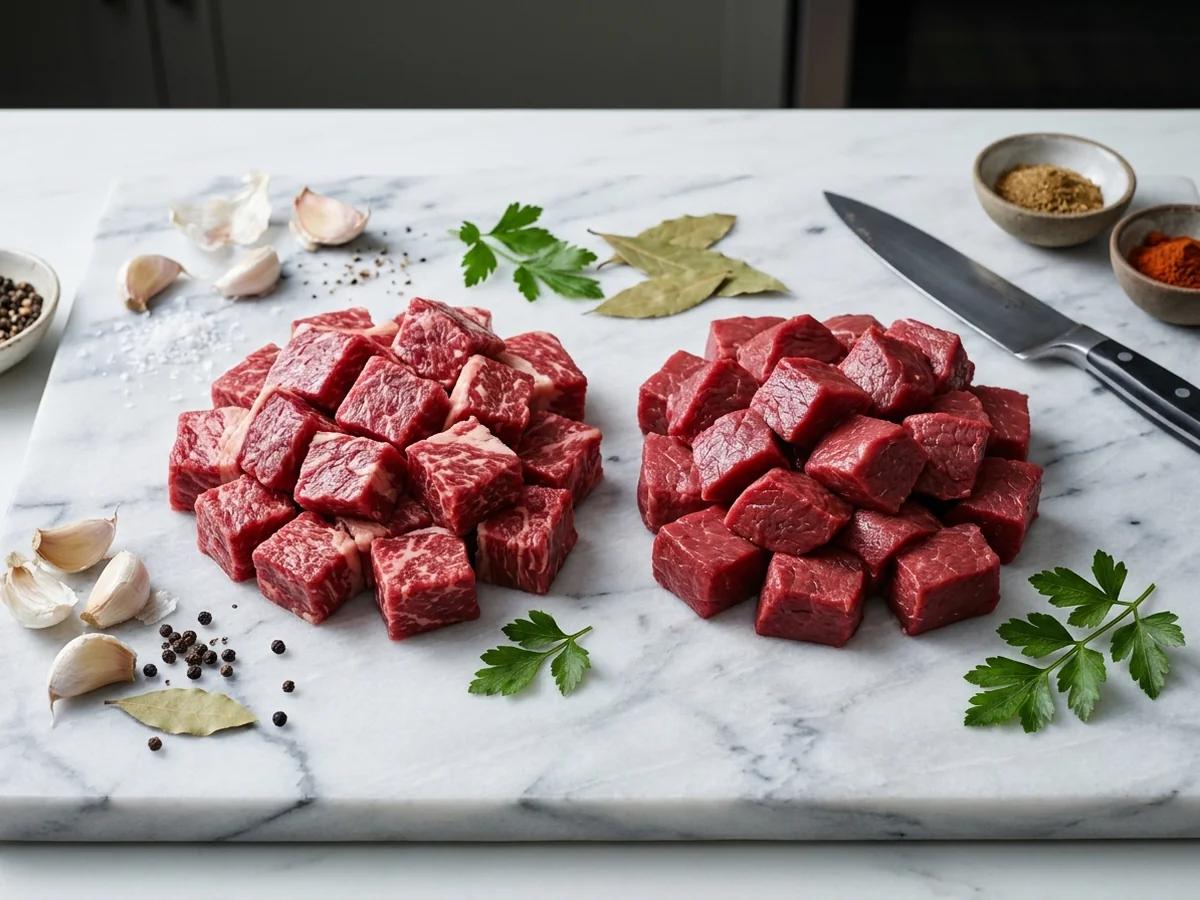
Top sirloin and eye of round are both suitable choices for diced beef dishes, though they offer different textures. Top sirloin provides a more tender bite, while eye of round is leaner and requires careful preparation to maintain moisture.
| Cut | Texture | Best Use |
|---|---|---|
| Top Sirloin | Moderately tender | Quick sauté or short stew |
| Eye of Round | Lean and firm | Long, slow braising |
Lean cuts benefit from slow cooking methods because they lack the connective tissue found in tougher roasts. By simmering these meats in liquid, you ensure they remain moist. For uniform dicing, trim away any exterior fat and slice the meat into consistent cubes against the grain to improve the final texture of your dish.
Storing Your Seasoning Mix

Proper storage of your herb and spice blend ensures the flavors remain vibrant for future meals. Keep your dry mixtures in airtight containers away from direct sunlight, heat, and moisture to maintain their potency for several months. When preparing the full meat dish, follow these guidelines to ensure safety and quality:
- Cook diced beef until it reaches an internal temperature of 160 degrees Fahrenheit as recommended by the USDA.
- Place leftover stew into shallow containers to help it cool quickly before moving it to the refrigerator.
- Store cooked meat in a refrigerator kept at 40 degrees Fahrenheit or below.
- Consume leftovers within three to four days to ensure optimal quality and safety.
- Avoid leaving cooked food at room temperature for longer than two hours.
Common Preparation Mistakes

Achieving the right texture and depth of flavor in this traditional dish often depends on avoiding a few technical errors during the cooking process. Mastering heat management and timing ensures your beef remains tender and flavorful.
- Overcrowding the pan prevents the meat from browning properly, which causes it to steam in its own moisture instead of developing a rich sear.
- Adding broth or other liquids before the meat has developed a deep color strips the dish of essential caramelized flavor.
- Failing to adjust your heat levels can lead to burnt aromatics or meat that turns tough rather than succulent.
- Cooking over uneven heat sources makes it difficult to maintain a gentle simmer, often resulting in an inconsistent texture for the beef and vegetables.
FAQ
What is the best cut of meat for picadinho?
The best cuts for this dish are lean, flavorful pieces that hold their shape during a simmer, such as top sirloin or eye of round. These cuts offer a balance of tenderness and structure once diced into uniform pieces.
How do you keep the beef from becoming tough?
You can prevent the beef from toughening by avoiding a rapid boil and instead using a gentle, controlled simmer. Maintaining a low heat allows the connective tissues to break down gradually, which keeps the meat tender throughout the cooking process.
What side dishes complement picadinho?
White rice and black or pinto beans are the classic sides that accompany this dish, often served with a side of farofa for added texture. These staples act as a neutral base that lets the savory flavors of the meat and sauce stand out.
Is picadinho the same as a standard beef stew?
While both are comfort foods, picadinho is defined by its smaller, bite-sized pieces of meat and a distinct seasoning profile that often emphasizes garlic, onion, and fresh herbs. The technique focuses on creating a flavorful, reduced sauce rather than just a broth-heavy stew.
What are the safety guidelines for storing leftover beef?
According to USDA food safety guidelines, you should store leftover cooked meat in a refrigerator at 40 degrees Fahrenheit or below. It is best to consume these leftovers within 3 to 4 days to ensure quality and safety.
How can I thicken the sauce without using flour?
You can achieve a natural, thickened sauce by allowing the liquid to reduce slowly over low heat during the final stage of cooking. Mashing a few of the cooked potato pieces directly into the sauce also helps build body and richness without needing additional thickeners.
Conclusion
The final step in your preparation is balancing your flavors and ensuring the meat reaches a safe internal temperature. You can now confidently adjust your brazilian picadinho seasoning to match your personal preference for salt, acidity, and heat levels. Once your sauce thickens to the desired consistency, you are ready to serve this classic comfort meal alongside your favorite sides. Follow these techniques to enjoy a reliable and flavorful home-cooked dish every time.
You might also like: Traditional Brazilian Picadinho Beef Stew Recipe