Best Sweet and Savory Fillings for Gluten-Free Crepes
Introduction
The best fillings for gluten-free crepes balance flavor and texture to ensure the delicate nature of the crepe remains intact. You can elevate any meal by pairing these fillings for gluten-free crepes with simple, safe ingredients that cater to your specific dietary needs.
This article explores a variety of sweet and savory combinations designed for home cooks who need reliable, gluten-free options. We cover essential techniques for preparing your fillings, including how to thicken gluten-free crepe fillings properly without compromising quality. You will also find guidance on cross-contamination, as some baking ingredients can serve as hidden sources of gluten. Whether you prefer classic flavor profiles or creative new pairings, this guide provides the inspiration needed to master your next kitchen project.
The Versatility and Safety of Gluten-Free Crepes
Crepes have long served as thin, versatile flapjacks capable of holding everything from morning fruit to evening proteins. Originating in France, these delicate pancakes are prized for their ability to wrap around almost any ingredient. Whether you prefer a hearty meal or a light dessert, they provide a neutral, tender base that adapts to your cravings.
When preparing these meals, prioritize safety by selecting certified components. Since some common baking ingredients can serve as hidden sources of gluten, checking labels for cross-contamination is essential. By verifying your pantry items, you ensure your kitchen remains a secure space for everyone. Focusing on high-quality, safe ingredients allows you to explore various options for your next meal without compromise.
Essential Gluten-Free Crepe Ingredients
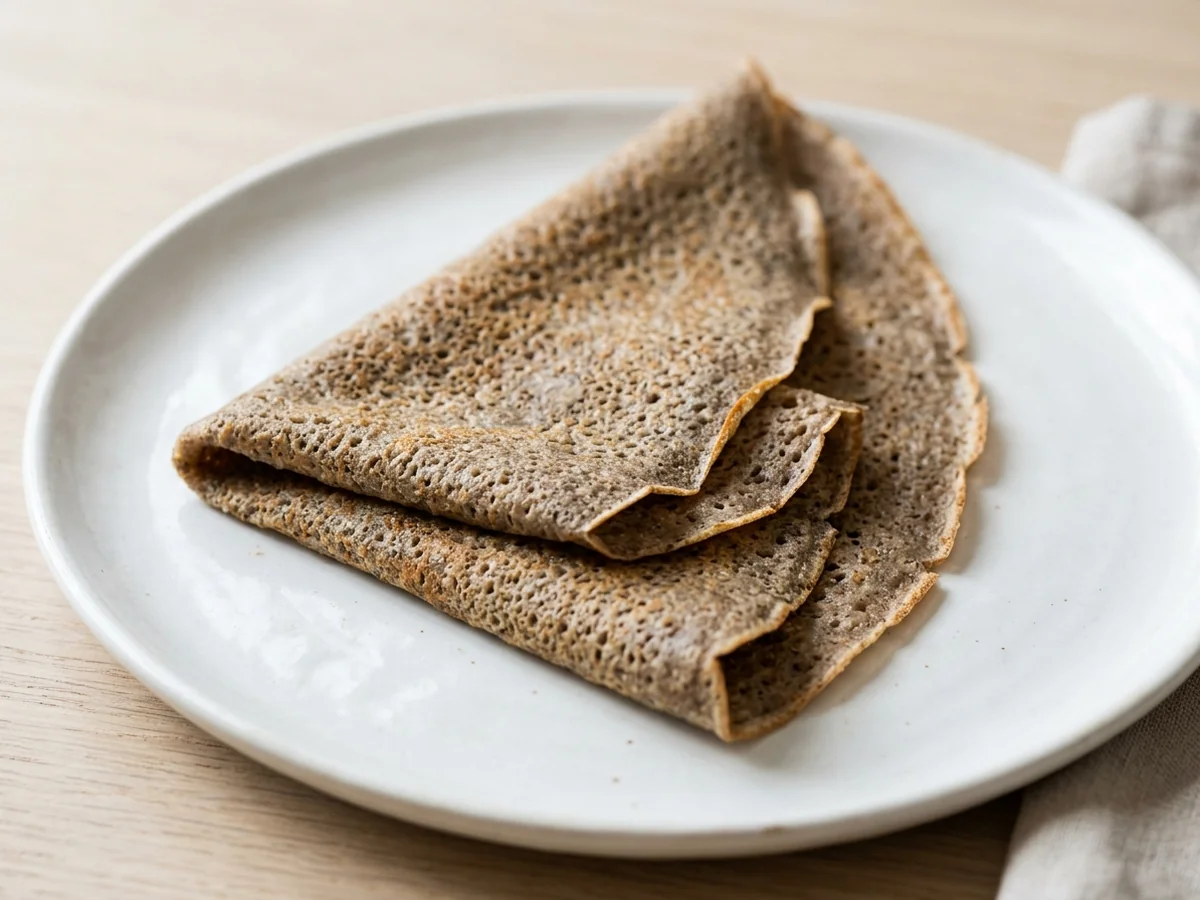
Selecting the right base is vital for success when preparing gluten-free crêpes. Incorporating alternative flours like buckwheat or almond flour adds necessary structure, as these options provide the stability that wheat-free batters often lack. Always verify your baking ingredients, as some can serve as hidden sources of gluten.
According to the Institute of Culinary Education, crepe batter must rest for at least one hour before cooking. This mandatory period ensures proper hydration of the flour, resulting in a more cohesive and pliable texture.
For optimal heat distribution, use a dedicated crepe pan or a 10-inch cast iron skillet. This consistent heat is key for achieving thin, delicate edges that hold any variety of ingredients perfectly.
Sweet Crepe Filling Ideas
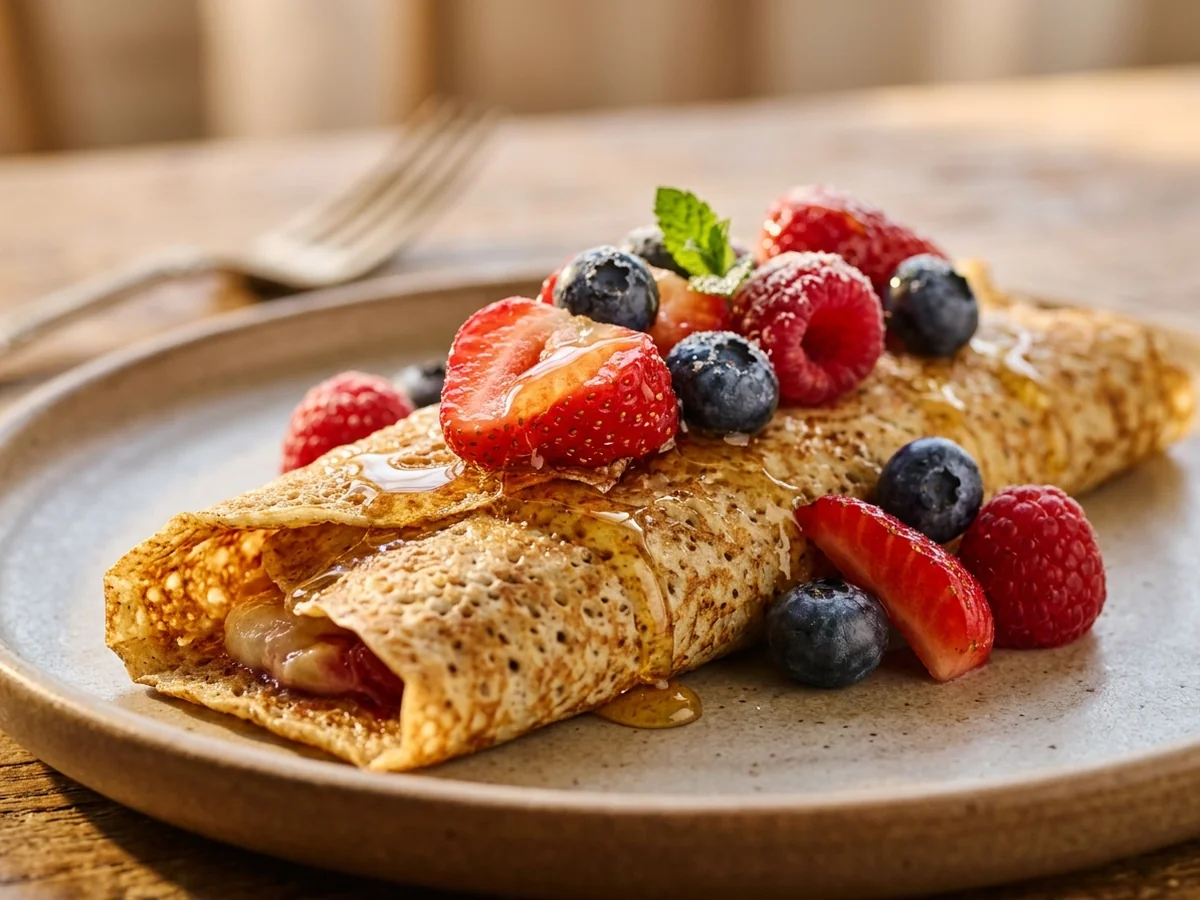
The best additions for your morning meal balance natural sugars with bright acidity to prevent the dish from feeling overly heavy. You can achieve depth by pairing rich ingredients with tart accents or aromatic herbs.
- Fresh berries paired with a drizzle of honey offer a classic, light option for sweet crepe fillings for breakfast.
- Dark chocolate shavings melt beautifully when added to warm crepes for a decadent treat.
- Coconut cream provides a rich, dairy free crepe filling alternative that works well with tropical fruits.
- Almond butter offers a protein-rich base that pairs nicely with sliced bananas.
- A pinch of lemon zest cuts through sweet components to provide a bright, sophisticated finish.
Savory Flavor Combinations
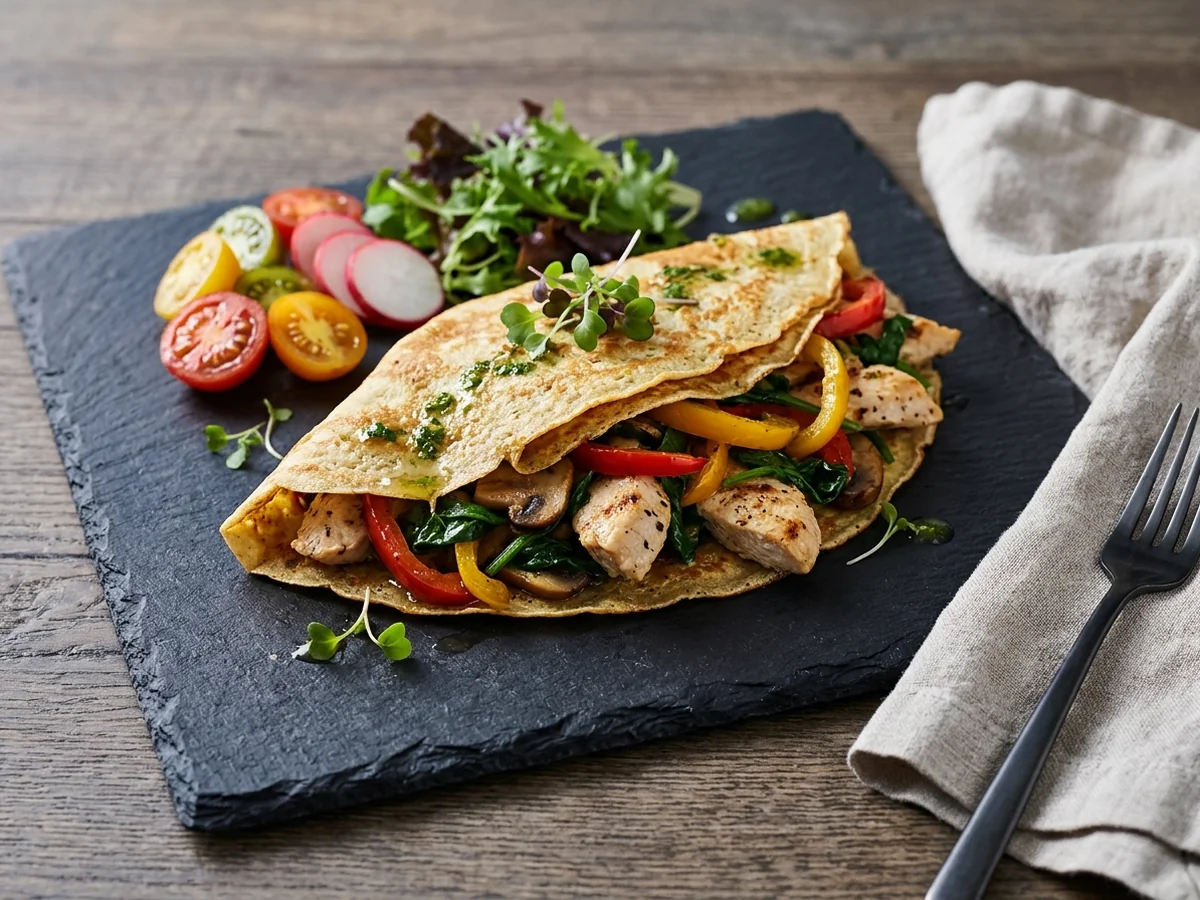
You can create balanced, nutritious meals by pairing protein sources with fresh vegetables for your savory gluten free crepe recipe ideas. Selecting ingredients that align with USDA MyPlate guidelines ensures your meal includes a healthy variety of lean proteins and fiber-rich produce.
- Sautéed spinach, earthy mushrooms, and creamy goat cheese provide a sophisticated flavor profile.
- Smoked salmon paired with fresh dill and a light spread offers a high-protein breakfast or lunch.
- Roasted turkey layered with Swiss cheese creates a classic and satisfying savory crepe.
- Diced chicken breast combined with steamed broccoli serves as a hearty, protein-packed option.
- Grilled asparagus with a sprinkle of feta cheese makes for excellent, healthy crepe filling options.
How to Thicken Crepe Fillings
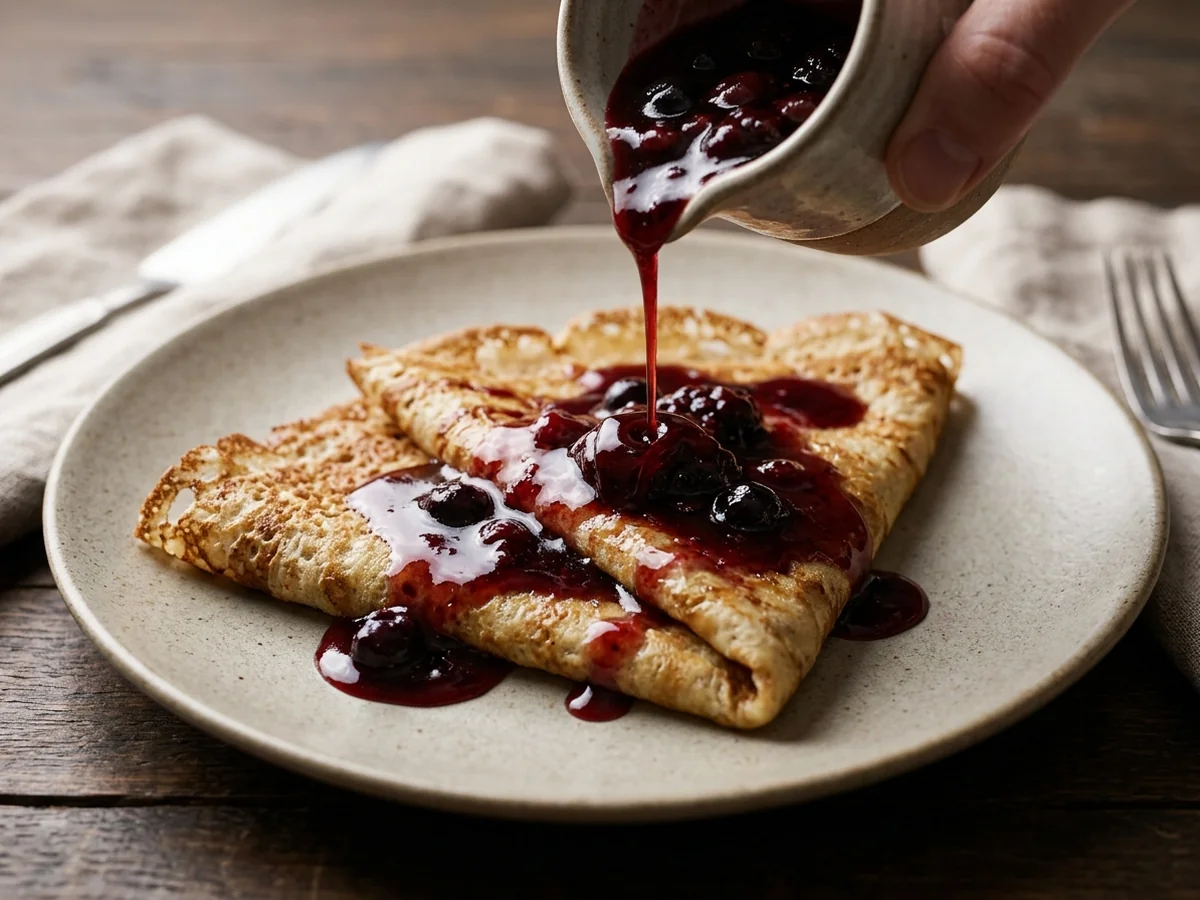
You can achieve the perfect texture for your crepe ingredients by using natural starches like arrowroot or cornstarch. These powders integrate easily into warm liquids, creating a smooth, stable consistency without relying on flour-based thickeners.
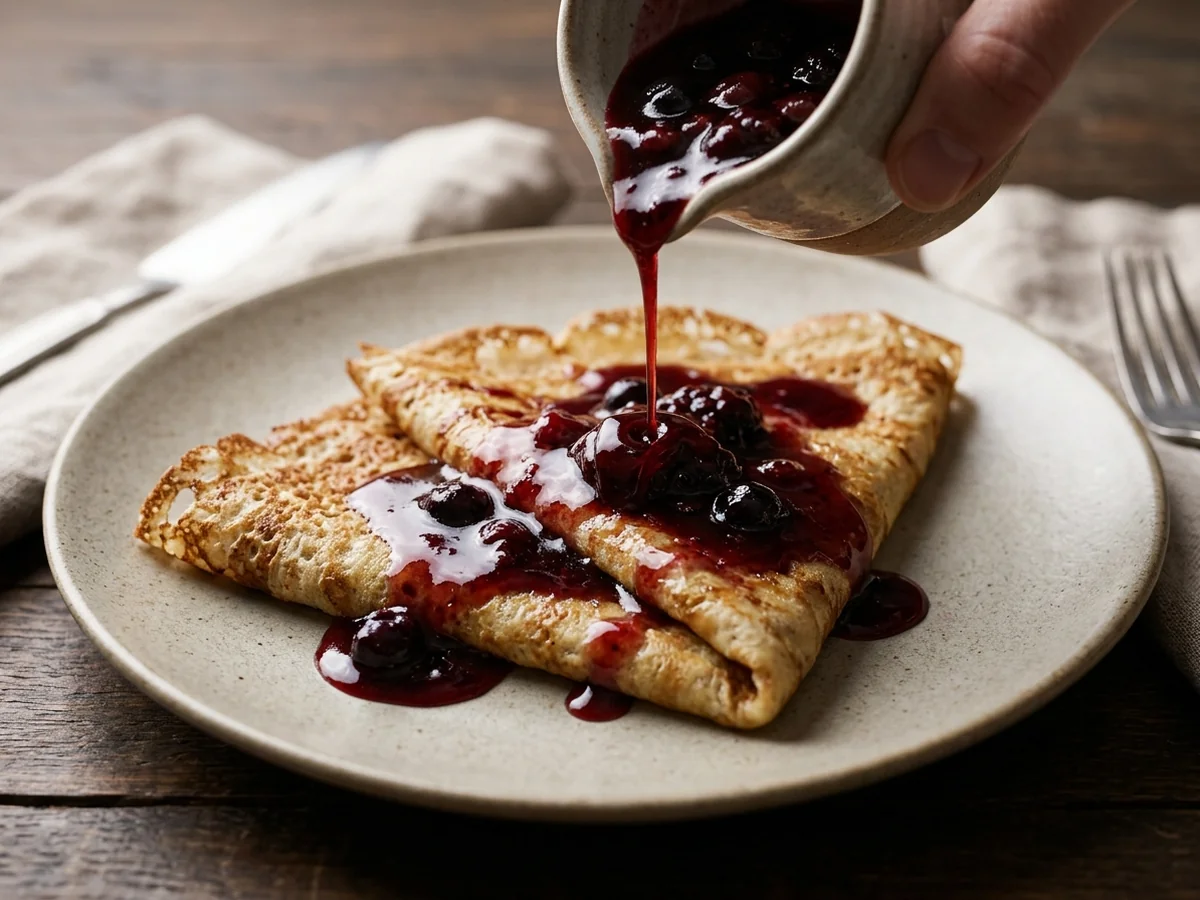
To prepare fruit compotes, simmer your fruit over low heat until the juices evaporate and the mixture reaches your desired thickness. This reduction technique naturally intensifies the fruit flavors, making additional thickeners unnecessary. When using starches, always dissolve the powder in a small amount of cool liquid before stirring it into your hot mixture to prevent clumps. This simple method ensures your ingredients stay securely inside each fold, providing a polished result every time you cook.
Avoiding Hidden Gluten
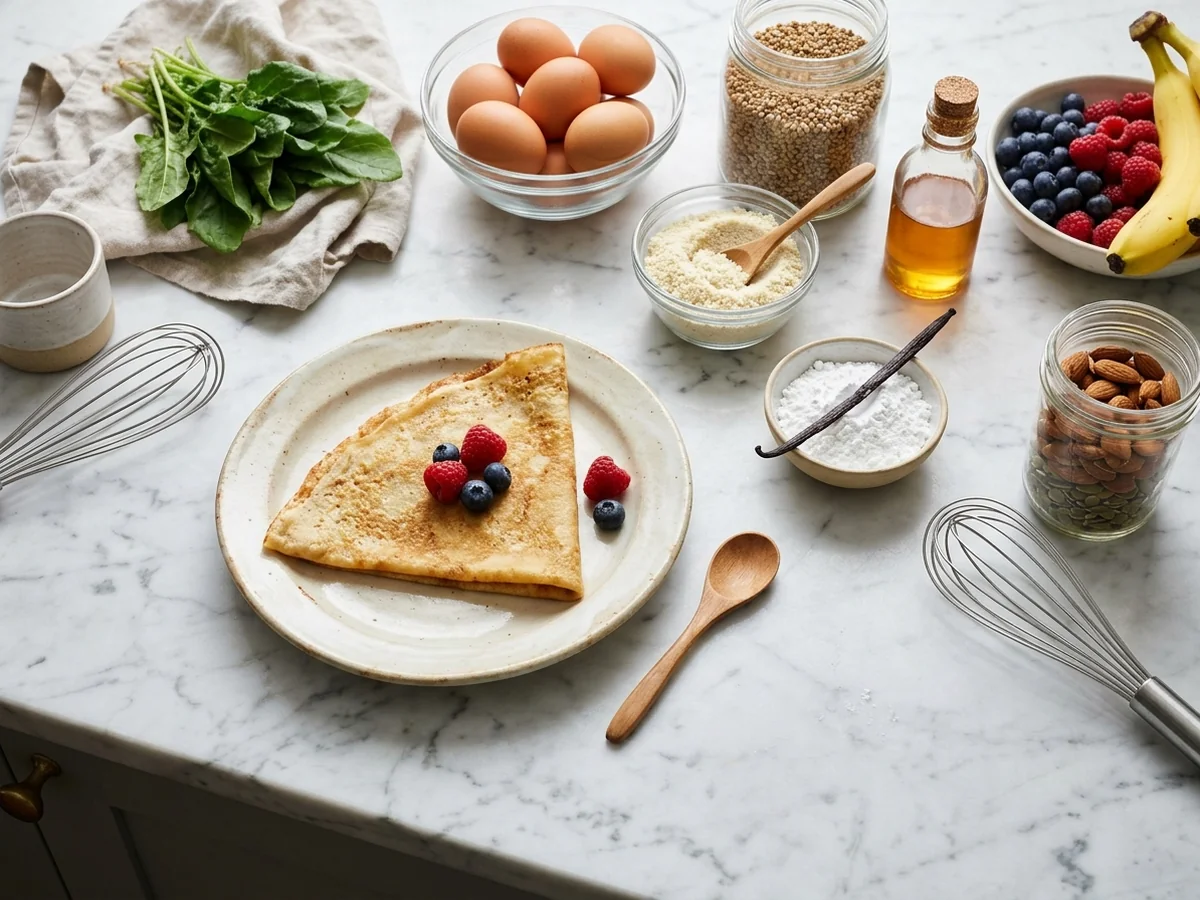
Some baking ingredients can serve as hidden sources of gluten. While you likely focus on the main components, it is essential to remain vigilant about secondary items used for your creations.
Always inspect labels on additives, pre-made sauces, and powdered sugar to confirm they are safe for your diet. Manufacturers may change formulations or processing facilities, so verifying every item remains a necessary step for those managing gluten sensitivities.
Look for third-party seals from organizations like the Gluten-Free Certification Organization (GFCO) to ensure safety. These certifications provide an extra layer of assurance, confirming the product meets rigorous testing standards. Prioritizing these labels helps you confidently select ingredients for your next batch of homemade crepes.
Common Crepe Filling Mistakes
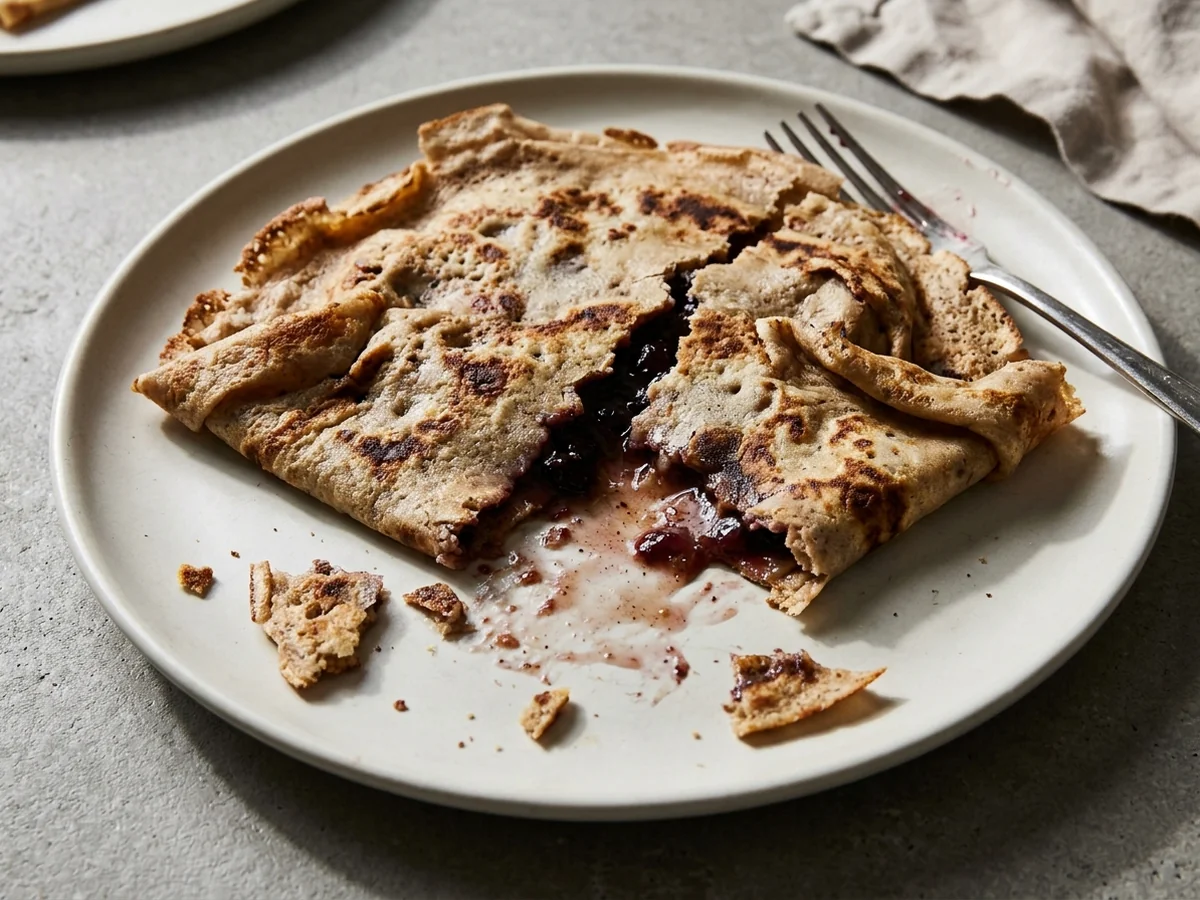
Achieving the perfect texture for your thin pancakes depends heavily on your preparation and cooking technique. Avoid these frequent errors to ensure your wraps remain delicate and tear-free.
- Over-mixing the batter develops excess elasticity, which creates a rubbery texture rather than the desired light, tender finish.
- Pouring too much batter into the pan prevents the layers from spreading into a thin, delicate sheet.
- Failing to allow the batter to rest for at least one hour results in a weak structure that tears easily during flipping.
- Cooking over an improperly heated pan leads to uneven browning and sticking.
- Neglecting to verify your ingredients can lead to accidental gluten exposure, as some baking components serve as hidden sources of gluten.
Storing Your Crepe Fillings
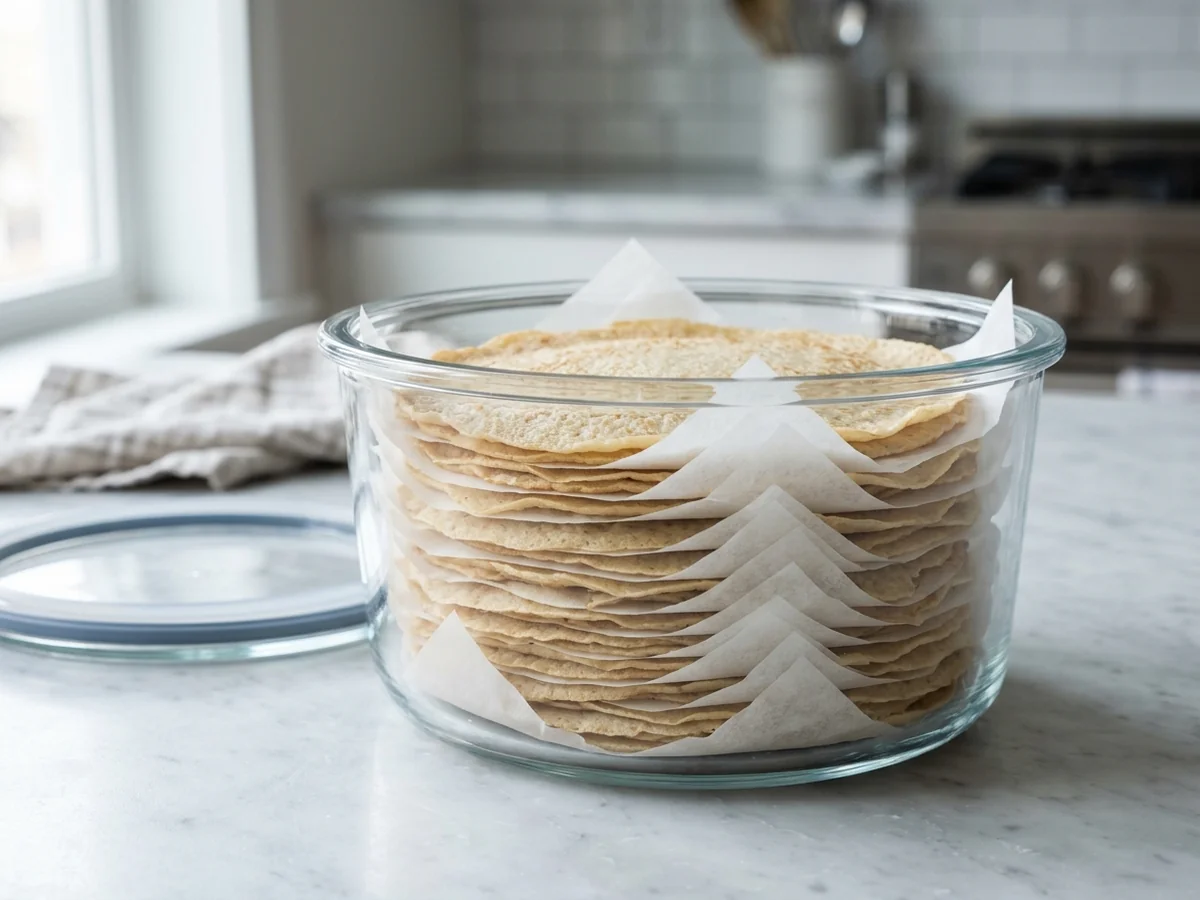
To keep your prepared crepes fresh, layer individual sheets between squares of parchment paper. This simple method prevents the delicate surfaces from sticking together while you stack them in an airtight container.
When you are ready to enjoy them, reheat filled crepes gently in a low-temperature oven or a dry skillet over medium-low heat. Avoid the microwave, as it often makes the texture soggy rather than crisp. If you have leftovers, store empty crepes in the refrigerator for up to two days. Once you add your favorite easy gluten free crepe fillings, plan to consume the crepes within twenty-four hours to maintain the best quality and texture.
FAQ
What are some good fillings to put inside crepes?
Sweet crepe fillings for breakfast often feature fresh berries, whipped cream, or nut butters, while savory gluten free crepe recipe ideas include sautéed spinach, mushrooms, and melted Gruyere. You can also incorporate lean proteins like smoked salmon or shredded chicken to create a more substantial meal.
How do I prevent cross-contamination when choosing ingredients?
Always verify labels because some baking ingredients can serve as hidden sources of gluten. Purchase items specifically labeled as certified gluten-free to minimize the risk of accidental exposure during food preparation.
Do I need special equipment to cook thin crepes?
While a specialized pan is helpful, common guidance suggests a 10-inch cast iron pan or a non-stick skillet works perfectly for achieving an even cook. Ensure the surface is well-heated before adding the batter to get that signature thin texture.
Why does my batter need to rest before cooking?
Crepe batter should be allowed to sit for at least one hour before cooking to ensure the starches hydrate properly. This resting period helps improve the final texture and prevents the crepes from breaking when you flip them.
Can I make dairy free crepe fillings for my meal?
Yes, you can easily swap traditional dairy for plant-based alternatives like coconut yogurt, almond-based cream cheese, or avocado mash. These healthy crepe filling options provide a creamy consistency without using animal milk or butter.
How can I thicken my crepe fillings?
You can thicken gluten free crepe fillings by simmering them with a small amount of cornstarch or arrowroot powder mixed into a slurry. These starches help stabilize fruit compotes or savory sauces so they do not leak out of the edges of your finished crepe.
Conclusion
Selecting the right ingredients ensures your meal remains both delicious and safe for those avoiding gluten. Always verify that your chosen components are certified gluten-free, as some baking ingredients can serve as hidden sources of gluten. Once you have prepared your batter and allowed it to rest for at least one hour, you can begin experimenting with various fillings for gluten-free crepes. Whether you prefer sweet breakfast options or savory lunch combinations, start by gathering high-quality, naturally gluten-free produce and proteins to build your perfect meal.
Sources: ice.edu, pmc.ncbi.nlm.nih.gov