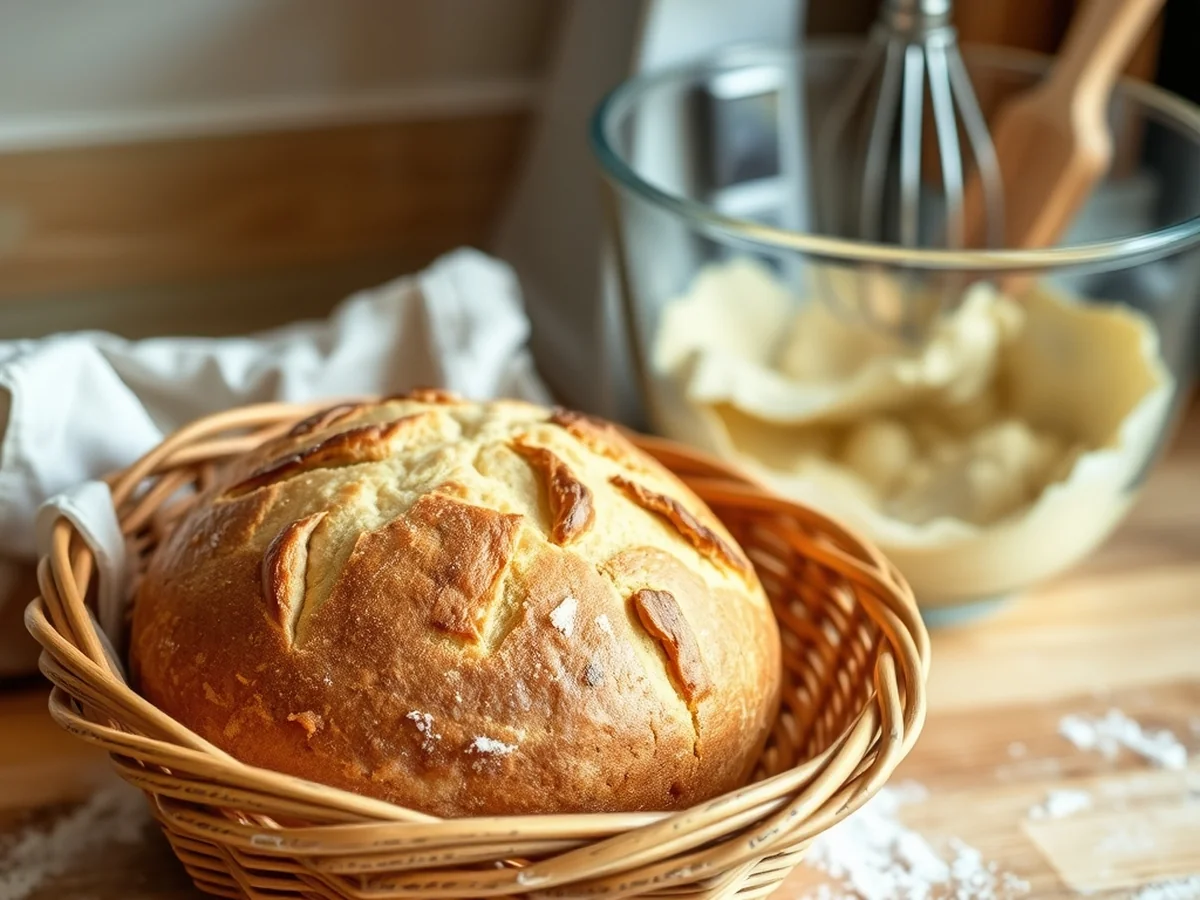
How to Make Tiger Bread (Crusty Dutch Crunch Bread)
Introduction
You make tiger bread by applying a rice flour paste to the surface of a proofed loaf before it enters the oven. This technique, commonly known as Dutch crunch, creates the signature cracked and mottled pattern during the baking process.
This guide covers the essential techniques for achieving the ideal crust, starting with the preparation of the bread dough and the specific rice-based topping. You will learn how to balance the moisture of your paste to ensure it expands and splits properly under high heat. Beyond the technical steps, this article explores the history of the bread, including its Dutch origins and its occasional rebranding in global markets. Whether you are a novice or an experienced baker, you will find the necessary instructions to replicate this distinctively crispy and savory loaf at home.
What is Tiger Bread

This distinct loaf is defined by its crispy, mottled exterior that resembles a predator’s coat. Often referred to as Dutch crunch, the item is widely recognized for a textured, cracked surface that contrasts sharply with its soft, airy interior. While the base is a standard yeast-leavened dough, the signature look is achieved through a specific finishing technique.
The unique appearance is typically created by applying a rice paste to the top of the loaf before it goes into the oven. As the dough expands during baking, the rice-based coating dries and fractures, resulting in the iconic pattern. This method, often associated with its Dutch roots as tijgerbrood, creates a crunchy, savory finish that distinguishes it from other varieties.
History of Tiger Bread
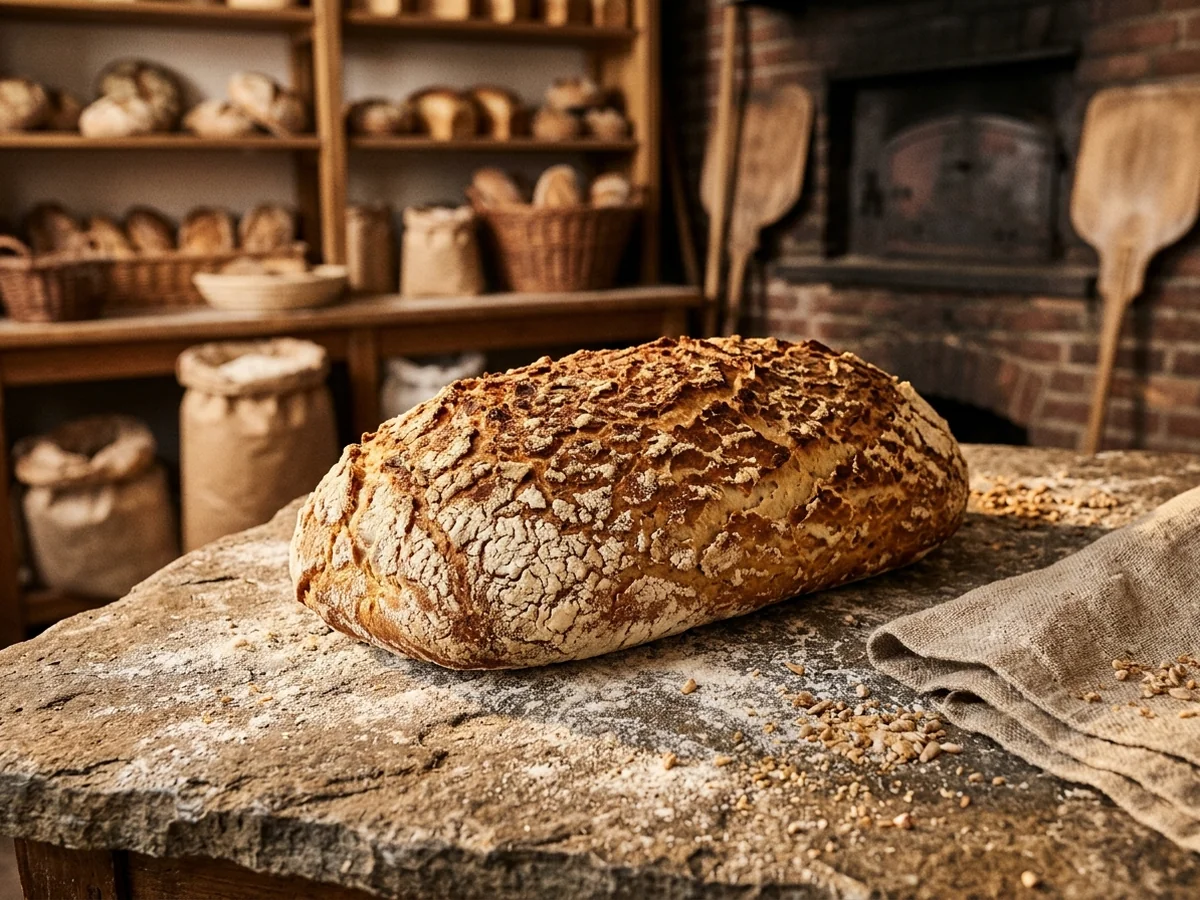
This distinctively patterned loaf traces its roots to the Netherlands, where it is known as tijgerbrood. It is widely considered a staple of Dutch cuisine, celebrated for its unique, crunchy exterior.
The product gained international recognition as bakers outside the Netherlands adopted the method of painting rice paste onto the dough before baking. This technique, which causes the crust to crack as the loaf expands, is often referred to as Dutch crunch in various regions.
Its cultural footprint expanded significantly in January 2012, when the retailer Sainsbury’s famously rebranded the item as giraffe bread. This shift occurred after a young customer suggested the name better reflected the loaf’s appearance, bringing the product widespread media attention.
The Science of the Crust

The distinctive patterned finish on this loaf is achieved by applying a rice flour paste to the surface before baking. As the dough expands in the oven, the paste does not stretch at the same rate. This creates a network of cracks that reveals the golden loaf underneath, resulting in a unique, mottled appearance.
High temperatures are essential for this process. Common baking guidance suggests using an oven set to 400 degrees F to ensure the topping dries quickly and sets into a rigid, crispy shell. This intense heat also triggers the Maillard reaction. This chemical process browns the surface of the dough and the rice paste, developing a complex, toasted flavor that defines this crusty bread.
Essential Ingredients for Baking

Creating this homemade crusty bread recipe requires a reliable foundation for the dough and a specialized paste to achieve the characteristic textured finish. Bakers typically use a combination of pantry staples for the loaf and specific components for the signature topping.
- Standard dough recipes typically rely on a mixture of milk, water, sugar, and flour to produce a soft, flavorful crumb.
- High-protein bread flour is often preferred for the dough because it provides the structural integrity needed to support the rising loaf.
- Rice flour acts as the primary component for the topping, as it dries out and cracks when exposed to high heat.
- The topping paste is painted onto the shaped dough just before baking to create the unique mottled appearance.
Tiger Bread Recipe Steps
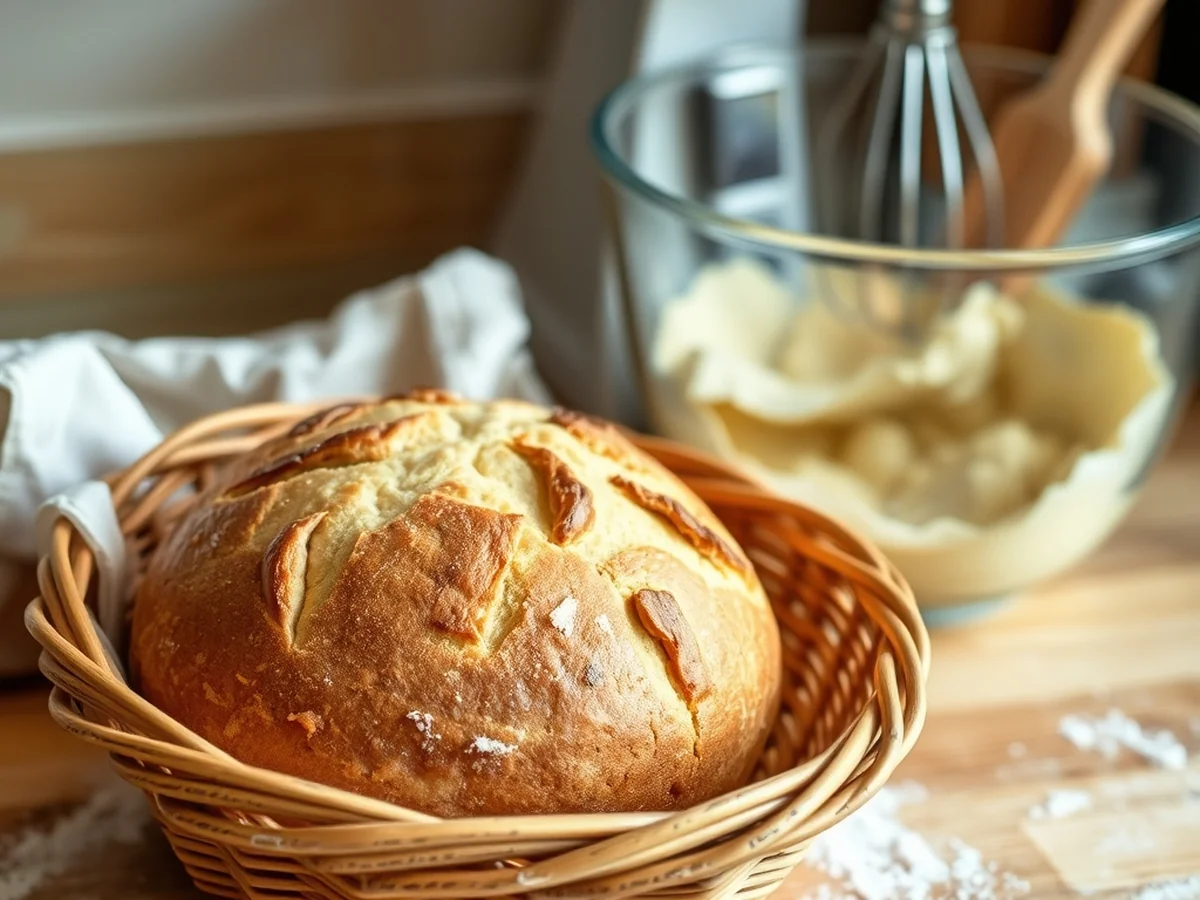
You create this distinctive loaf by preparing a standard yeast-leavened dough, allowing it to proof until doubled in size, and then coating it with a specific rice flour mixture before baking.
- Mix flour, water, milk, and sugar to form your base dough, then let it proof in a warm environment until it rises sufficiently.
- Combine rice flour with liquid to prepare the rice paste, which is essential for achieving the signature cracked appearance on the finished tiger bread.
- Apply the paste evenly over the proofed loaves just before they enter the oven.
- Bake the dough at 400 degrees F to ensure the topping dries and cracks properly.
- Remove the loaves once the crust is golden and firm to the touch.
Common Troubleshooting Mistakes

The signature cracked appearance often fails to materialize if the rice paste topping is either too thick or too thin. A paste that is too runny will simply slide off the dough, while a mixture that is too dry or dense will not stretch and crack as the loaf expands during the oven spring.
Humidity and temperature also play a critical role in success. If your kitchen environment is overly humid, the rice flour coating may absorb too much moisture and soften before it can set properly. Maintaining a consistent oven temperature, typically around 400 degrees Fahrenheit, is essential for the topping to dry out and shatter. If the oven is not hot enough, the crust will remain soft rather than crisping into the desired pattern.
Storage and Shelf Life
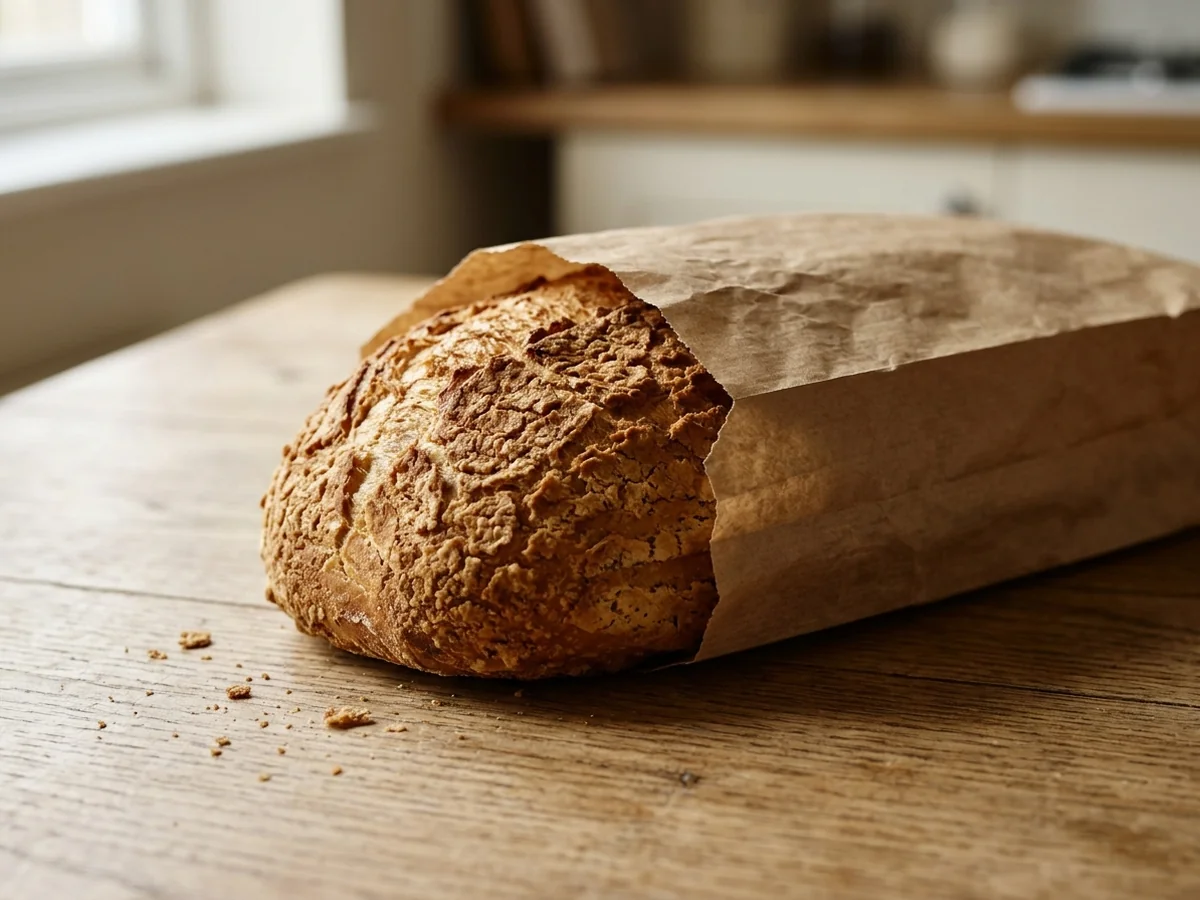
Keep your rolls crisp by storing them at room temperature in a paper bag rather than plastic. Plastic bags trap humidity, which softens the signature crust and ruins the texture created by the rice flour topping. If the rolls lose their crunch after a day, place them in a hot oven for a few minutes to restore the finish.
For longer storage, freeze the baked goods once they have cooled completely. Wrap them tightly in plastic wrap and place them inside a freezer-safe bag to prevent freezer burn. When you are ready to eat, thaw the rolls at room temperature or warm them directly from frozen in the oven to refresh the crisp exterior.
Tiger Bread vs Regular Bread
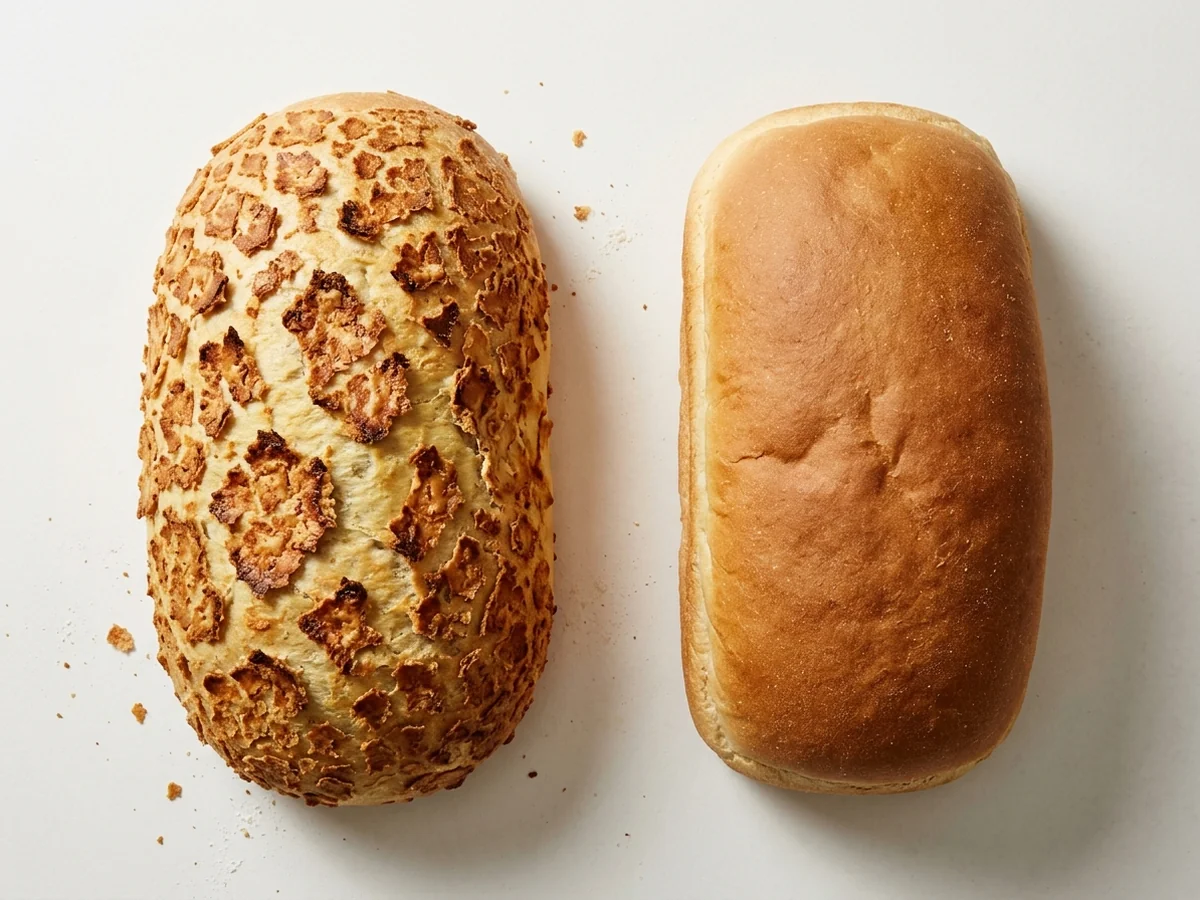
The primary distinction between this style and standard loaves lies in the signature decorative crust, which is commonly achieved by applying a rice flour paste before baking. While standard bread typically features a uniform, soft exterior or a simple flour-dusted crust, these Dutch rolls rely on the rice mixture to crack during the rise, revealing a contrasting inner layer. This creates a unique texture that is noticeably crunchier and more brittle than the elastic, even surface of an everyday white loaf. Flavor profiles also differ significantly, as the rice-based coating provides a subtle, toasted earthiness that standard dough lacks, making the overall eating experience distinct in both mouthfeel and depth of taste.
| Feature | Standard Loaf | Dutch Crunch Style |
|---|---|---|
| Crust Texture | Soft or uniform | Brittle and mottled |
| Primary Topping | None or flour | Rice flour paste |
| Flavor Profile | Neutral/Mild | Toasted and savory |
Structurally, the bread dough itself follows common practices using typical ingredients like milk, water, and sugar, meaning the core crumb remains light and airy in both varieties.
FAQ
What is tiger bread called in the US?
In the United States, this item is frequently known as Dutch crunch. This term is common in regions where bakeries specialize in rolls featuring a distinctively textured, crunchy surface.
What is special about tiger bread?
The defining characteristic is a mottled, cracked crust that emerges during baking. This aesthetic and textural quality typically results from applying a rice flour paste to the surface of the dough before it is placed in the oven.
How do you make the cracked crust on tiger bread?
The signature appearance is created by painting a layer of rice paste onto the shaped dough before the final bake. As the bread expands in the high heat of the oven, the paste dries and splits to form the characteristic pattern.
Where does tiger bread come from?
The product originated in the Netherlands, where it is known locally as tijgerbrood. It has long served as a staple within Dutch cuisine before gaining popularity in other regions.
Why was tiger bread renamed to giraffe bread?
In January 2012, the grocery retailer Sainsbury’s rebranded this item as giraffe bread. This decision followed a request from a young customer who suggested the markings on the crust more closely resembled those of a giraffe.
Conclusion
The final decision rests on your preference for crust texture and the time you have available for the proofing process. Once you have mastered the rice paste application, you can experiment with the dough base to achieve the perfect crumb structure. Preparing your own Dutch crunch at home allows you to control the thickness of the topping and the intensity of the crackle. Simply ensure your oven maintains the proper heat to trigger the signature appearance before cooling the loaf completely.