
Easy Brazilian Bread Varieties for Quick Gluten-Free Snacks
Introduction
You can prepare various Brazilian bread varieties at home using simple methods that highlight their naturally gluten-free ingredients. These pão de queijo recipes rely on tapioca flour, ensuring they are accessible for those seeking wheat-free snacks.
This guide explores the essentials of these popular treats, moving beyond basic cheese bread to examine distinct styles like pão de batata. You will learn the technical differences between flours derived from the cassava root, such as the distinction between tapioca flour and cassava flour, which are often confused but not interchangeable in baking. The following sections provide clear instructions on using the blender method for efficiency, tips for storing raw batter in the refrigerator for up to one week, and advice on achieving that signature mochi-like texture. Whether you are new to Brazilian breakfast bread or looking to refine your technique, these insights simplify the process for any home kitchen.
Types of Brazilian Bread

Brazilian bread culture centers on versatile, cassava-based staples that go far beyond simple snacks. These traditional items are a core part of the local diet, often served during breakfast or as an afternoon accompaniment to coffee. While many people recognize the famous cheese-filled versions, the variety of these baked goods reflects deep regional traditions involving different textures and ingredients.
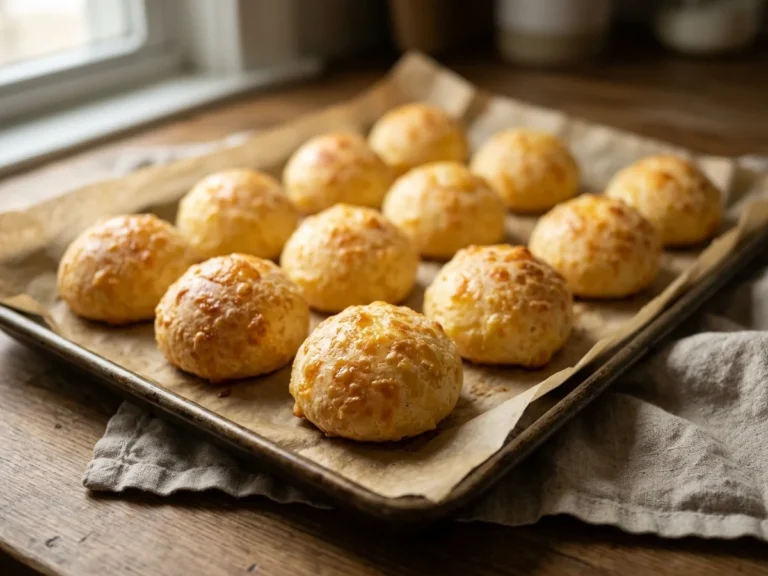
Pão de queijo is naturally gluten-free as it relies on tapioca flour. This makes it a popular choice for those looking for gluten free cheese bread that maintains a consistent quality. You will often find the finished texture compared to Japanese mochi due to its distinct chewiness. Beyond the classic cheese version, traditional methods for preparing these breads sometimes involve adding cooked, mashed potatoes to the dough to create a softer, more substantial crumb.
Home baking these items is straightforward, especially when using modern techniques like the blender method. It is common guidance that this approach allows for refrigerator storage of the raw batter for up to one week.
Essential Brazilian Bread Staples

Pão de queijo stands as the most recognizable snack among Brazilian bread varieties, prized for its unique, mochi-like texture. This popular treat is naturally gluten-free as it relies on tapioca flour rather than wheat.
Beyond the classic cheese-filled versions, home cooks often explore other regional staples that highlight the versatility of local ingredients. These include:
- Pão de batata: A soft, savory roll that frequently incorporates cooked, mashed potatoes into the dough for added moisture.
- Pão de mandioca: A variation that utilizes the starch or flour derived from the cassava root, which serves as a foundational element in many traditional recipes.
The cultural significance of the cassava root cannot be overstated, as it remains a dietary cornerstone in Brazil. While tapioca flour and cassava flour both originate from this root, they are not interchangeable in recipes due to different processing methods. Understanding these nuances helps in mastering various authentic textures, ranging from airy and light to dense and satisfying.
Flours for Brazilian Breads

Although tapioca flour and cassava flour originate from the same root, they are not interchangeable when preparing these snacks. Cassava flour is a whole-root product that includes fiber and protein, resulting in a denser, grainier texture. Conversely, tapioca flour is a processed starch extracted from the root, which provides the signature chewy, elastic crumb found in many traditional recipes.
When selecting ingredients for your tapioca flour snacks, you will encounter two specific forms of starch:
- Polvilho doce: This is sweet manioc starch, used primarily to provide structure and binding to the dough.
- Polvilho azedo: This is sour manioc starch, which has been fermented and dried to create a more airy, expansive rise during baking.
These starches behave differently in the oven and are often combined to balance texture. Pão de queijo is naturally gluten-free as it relies on tapioca flour, making it a reliable choice for those avoiding wheat.
Quick Blender Bread Recipes

The blender method simplifies preparation for home cooks by turning what is traditionally a labor-intensive dough-kneading process into a quick, pourable task. By combining all ingredients in a blender, you eliminate the need for extensive manual mixing while ensuring a smooth, uniform batter.
Using a blender provides the benefit of a consistent batter texture that is difficult to achieve by hand. This technique effectively incorporates the oil and eggs into the tapioca flour, which is essential because pão de queijo is naturally gluten-free as it relies on this specific starch. The resulting mixture remains light and aerated, leading to the characteristic mochi-like texture often associated with these snacks.
Convenience is a major advantage of this approach, as the prepared batter can be stored in the refrigerator for up to one week. This allows you to bake small batches of fresh, warm bread whenever you want a snack without needing to restart the entire process from scratch.
Achieving Perfect Bread Texture

You can achieve the signature mochi-like texture of various brazilian bread varieties by prioritizing ingredient consistency and precise filling techniques. This specific chewiness is often compared to Japanese mochi, a hallmark of recipes relying on tapioca flour, which is naturally gluten-free.
Using room-temperature ingredients is common guidance for these recipes. When eggs, milk, and oil are at room temperature, they emulsify more easily, creating a smoother batter that holds its structure during the rapid rise in the oven. This simple step helps ensure the gluten free cheese bread maintains its distinctive airy interior.
When you are ready to bake, proper portioning is key to controlling the rise and internal texture. According to research from Rice University, you should leave about 1/8 inch of space from the top of the muffin tin well when pouring in your batter. This prevents overflow while allowing enough room for the bread to expand into its ideal shape.
Traditional and Modern Variations

Regional doughs often incorporate cooked, mashed potatoes to achieve a distinct, dense crumb. This practice, common in traditional preparations, adds moisture and a unique mouthfeel to these gluten free cheese bread snacks.
Modern approaches favor blender-style recipes over older, manual kneading methods. While traditional techniques rely on labor-intensive hand-mixing to develop texture, blender versions offer a streamlined process that allows the batter to be stored in the refrigerator for up to one week. These easy cassava flour recipes benefit from this shift, making it simpler to bake fresh batches on demand.
Beyond traditional queijo minas, home cooks can experiment with various cheese profiles to customize these baked goods. The following options provide excellent results:
- Sharp cheddar for a bolder, more pronounced flavor.
- Parmesan to enhance the savory, salty notes.
- Mozzarella for a milder taste and a signature mochi-like texture.
Pão de queijo is naturally gluten-free as it relies on tapioca flour, ensuring these treats remain accessible for diverse dietary needs.
Storing Brazilian Bread Snacks

Keep your fresh-baked Brazilian breakfast bread in an airtight container at room temperature for up to one day to maintain its best quality. Beyond this timeframe, the texture often loses its characteristic chewiness.
If you prefer to have portions ready for future meals, freezing the raw batter is a practical solution. The common guidance suggests that you can prepare the mixture in a blender and keep it in the refrigerator for up to one week before baking. Alternatively, you can portion the raw dough into molds and freeze them directly. When you are ready to eat, simply bake the frozen portions straight from the freezer, adding a few extra minutes to the total cooking time.
To restore the signature crispy exterior of leftover pieces, avoid using the microwave, which often creates a gummy texture. Follow these steps for the best results:
- Preheat your oven or toaster oven to 350 degrees Fahrenheit.
- Place the bread on a baking sheet.
- Heat for five to seven minutes until warmed through and crisp.
Common Brazilian Bread Errors

Achieving the ideal texture in your homemade snacks depends on mastering a few key technical details. Avoiding these frequent mistakes ensures your naturally gluten-free Brazilian cheese bread rises properly and maintains its signature chewiness.
- Pão de queijo batter should be left about 1/8 inch from the top of the muffin tin well to prevent the dough from overflowing during the rise.
- Using the wrong type of starch for the intended result is a frequent error, as common guidance suggests that tapioca flour and cassava flour are derived from the same root but are not interchangeable in recipes.
- Rushing the baking process by not following temperature guidelines can prevent the proper expansion of these treats, with common guidance recommending a temperature of 400 degrees Fahrenheit for blender-style batches.
- Misunderstanding terminology like polvilho azedo, which is common guidance for a Portuguese term for sour manioc starch, can lead to choosing the incorrect base ingredient for your pão de queijo recipes.
FAQ
What is pão de queijo?
Pão de queijo is a traditional Brazilian breakfast bread known for its signature chewy, mochi-like texture. It typically features a base of starch derived from the cassava root, combined with eggs, milk, oil, and cheese.
Is Brazilian cheese bread gluten-free?
Pão de queijo is naturally gluten-free as it relies on tapioca flour. This makes it a popular option for those seeking snacks made without gluten that do not require specialized flour blends.
What is the difference between tapioca flour and cassava flour?
While both products are derived from the same root, they are not typically interchangeable in recipes due to differences in processing and moisture absorption. It is common guidance to follow your specific recipe closely to ensure the correct texture for these Brazilian bread varieties.
Can you make cheese bread in a blender?
The blender method is a common way to prepare the batter for these tapioca flour snacks quickly. This technique also allows for refrigerator storage of the raw batter for up to one week, which makes it convenient for meal planning.
How should you fill the muffin tins for the best results?
Pão de queijo batter should be left about 1/8 inch from the top of the muffin tin well to allow for proper rising. Following this measurement helps the dough expand correctly without overflowing during the bake.
How do you store leftover Brazilian cheese bread?
Leftover pão de queijo can be stored in an airtight container at room temperature for one day. For longer storage, many home cooks prefer to freeze the unbaked batter or the finished bread to maintain freshness.
Conclusion
Choosing the right method depends on whether you prefer the convenience of a blender batter or the rustic charm of traditional dough. To get started with these brazilian bread varieties, consider your kitchen equipment and the time you have available for prep. If you want a quick, gluten-free snack, the blender approach offers a simple path to consistent results. Simply gather your ingredients, follow the temperature guidelines, and enjoy the distinct, chewy texture that defines these classic staples.
Sources: elon.edu, oiss.rice.edu